Akai MPC X — VS — Teenage Engineering EP-133 K.O. II Sampler
Akai MPC X
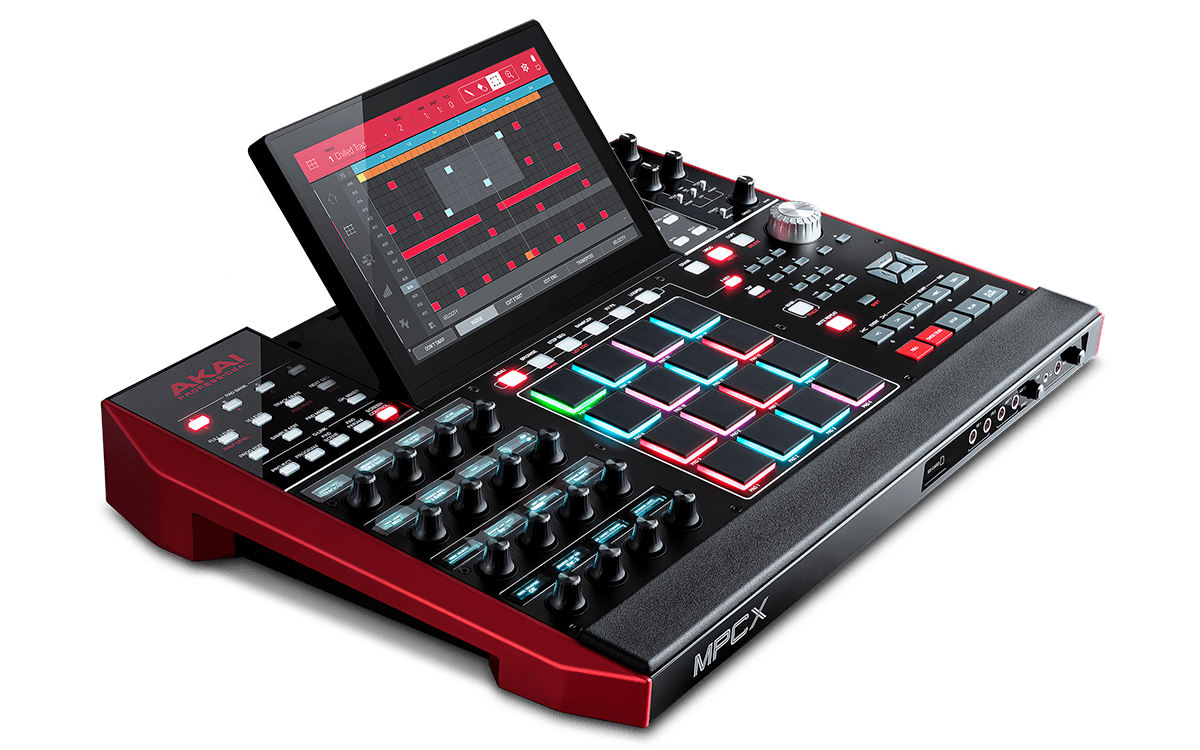
The MPC X is a powerful music-making machine that works with or without a computer. It has a big touchscreen, colorful pads, and tons of sounds built in. You can plug in microphones, turntables, and instruments, or add even more music with USB drives and SD cards. It's great for making beats, recording songs, and controlling other music gear. The MPC X is made for serious creators who want everything in one place.
Teenage Engineering EP-133 K.O. II Sampler
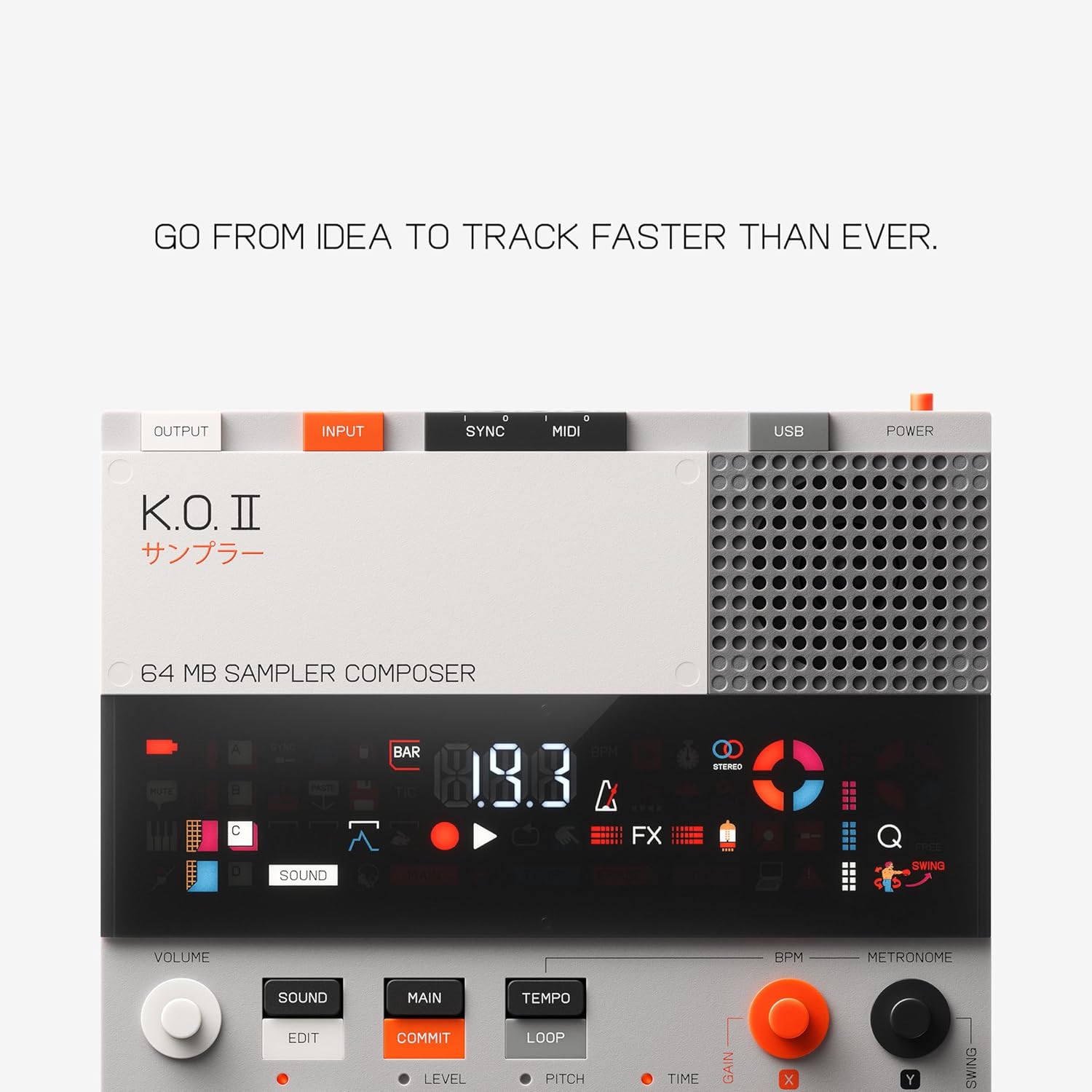
The EP-133 K.O. II is Teenage Engineering's next-gen portable sampler. It features punchy pads, step sequencing, powerful FX, and sample warping—all in a stylish and compact design. It's a fantastic upgrade from the original PO-33 for musicians looking for portability and hands-on performance.
| Spec | Akai MPC X | Teenage Engineering EP-133 K.O. II Sampler |
|---|---|---|
| Manufacturer | Akai Professional | Teenage Engineering |
| Year Released | 2017 | 2023 |
| Polyphony | 128 | Polyphonic (unspecified) |
| Sample Rate | 44.1kHz | 16-bit / 46.875kHz |
| Storage | Internal SSD | Internal + microSD |
| Pads | 16 velocity-sensitive RGB pads | 16 velocity-sensitive pads |
| Sequencer | Yes | Yes |
| Effects | EQ, Reverb, Delay, Compression | Filter, Delay, Reverb, Compression |
| I/O | MIDI In/Out, USB, Audio In/Out | USB-C, Line In/Out, MIDI via TRS |
| Screen | 10.1-inch multi-touch display | OLED display |
| Software Integration | MPC Software | Minimal, plug-and-play |
| Build | Standalone | Durable plastic housing with step sequencer |
| Price | $2500 | $299 |
| More about | Details | Details |
Buy the Akai MPC X on Amazon.com
Buy Now On AmazonBuy the Teenage Engineering EP-133 K.O. II Sampler on Amazon.com
Buy Now On AmazonMPC X vs. EP-133 K.O. II: Which Sampler is Right for You?
Choosing the right sampler can be a big decision for any music enthusiast. In this blog post, we’ll explore two popular options: the Akai MPC X and the Teenage Engineering EP-133 K.O. II Sampler. We’ll look at their features, pros and cons, and help you decide which one might be the best fit for your music-making needs.
Introduction
Samplers are powerful tools for musicians, allowing them to create beats, record sounds, and perform live with ease. The Akai MPC X and Teenage Engineering EP-133 K.O. II are both standout products in this category, each offering unique features and capabilities. Whether you’re a seasoned producer or a budding beatmaker, understanding the differences between these two devices can guide you in making an informed choice.
Features and Functionality
Akai MPC X: The All-in-One Powerhouse
The Akai MPC X is a comprehensive music production center that appeals to professionals and serious hobbyists alike. Released in 2017, this sampler boasts 128 notes of polyphony, meaning you can play multiple sounds at once without cutting each other off. This is great for complex compositions and layered tracks.
A standout feature of the MPC X is its 10.1-inch multi-touch display, which allows users to navigate through its extensive features easily. The device includes 16 velocity-sensitive RGB pads that not only feel great to play but also provide visual feedback.
The MPC X comes with a wide array of built-in effects, including EQ, Reverb, Delay, and Compression, enabling users to fine-tune their sound right from the device. It offers extensive connectivity options with MIDI In/Out, USB, and Audio In/Out ports, allowing seamless integration with other music gear.
Another highlight is its standalone build, which means it can function without a computer, making it a versatile tool for both studio and live settings. With an internal SSD for storage, users have plenty of space to save their projects. However, this powerhouse comes with a hefty price tag of $2500, making it a significant investment.
Teenage Engineering EP-133 K.O. II: The Portable Performer
The Teenage Engineering EP-133 K.O. II, released in 2023, is a compact and stylish sampler designed for musicians on the go. Its polyphony is unspecified but supports playing multiple notes simultaneously, essential for creating rich, textured sounds.
This sampler features a 16-bit / 46.875kHz sample rate, ensuring clear audio quality. While it might not match the higher fidelity of the MPC X, it provides a solid performance for most users. The EP-133 K.O. II includes 16 velocity-sensitive pads, offering a responsive playing experience.
One of the most appealing aspects of this device is its portability. It’s small, lightweight, and built with durable plastic housing, making it easy to pack and travel with. The OLED display, while not as large as the MPC X’s screen, provides clear and concise information.
The EP-133 K.O. II is equipped with a range of effects, such as Filter, Delay, Reverb, and Compression, allowing for creative sound manipulation. It also supports USB-C and Line In/Out connections, with MIDI available via TRS, ensuring compatibility with various devices. Priced at $299, it’s a more affordable option for those just starting out or looking for a portable solution.
Pros and Cons
Akai MPC X Pros
- Powerful Standalone Capabilities: Functions without a computer.
- Large Multi-Touch Display: Easy navigation and control.
- Extensive Connectivity: Compatible with various audio and MIDI equipment.
- High Polyphony: Supports complex compositions.
- Built-In Storage: Internal SSD for ample storage space.
Akai MPC X Cons
- High Price: At $2500, it’s a significant financial commitment.
- Bulky Size: Not the best choice for portability.
Teenage Engineering EP-133 K.O. II Pros
- Affordable: Priced at $299, accessible to a broader audience.
- Portable Design: Lightweight and easy to carry.
- Durable Build: Made with sturdy plastic housing.
- User-Friendly Interface: Simple and intuitive for beginners.
- Versatile Effects: Offers a range of sound manipulation options.
Teenage Engineering EP-133 K.O. II Cons
- Limited Screen Size: Smaller OLED display may hinder detailed editing.
- Lower Sample Rate: Not as high fidelity as some competitors.
- Minimal Software Integration: Lacks some advanced features for professional use.
Conclusion
In summary, the Akai MPC X offers a robust set of features for experienced producers who need an all-in-one solution for music production. Meanwhile, the Teenage Engineering EP-133 K.O. II is a great choice for those who prioritize portability and affordability without sacrificing essential functionalities.
Final Verdict
- For Professional Producers: The Akai MPC X is ideal for those who need a powerful, standalone device with extensive connectivity and high-quality sound production.
- For Beginners and Travelers: The Teenage Engineering EP-133 K.O. II Sampler is perfect for musicians on the go who want an affordable and portable sampler with essential features.
With this comparison, you should now have a clearer idea of which sampler aligns with your music production needs. Whether you’re creating in a studio or performing on stage, both devices offer unique advantages to enhance your musical journey.