Akai MPC X — VS — Teenage Engineering OP-1 Field
Akai MPC X
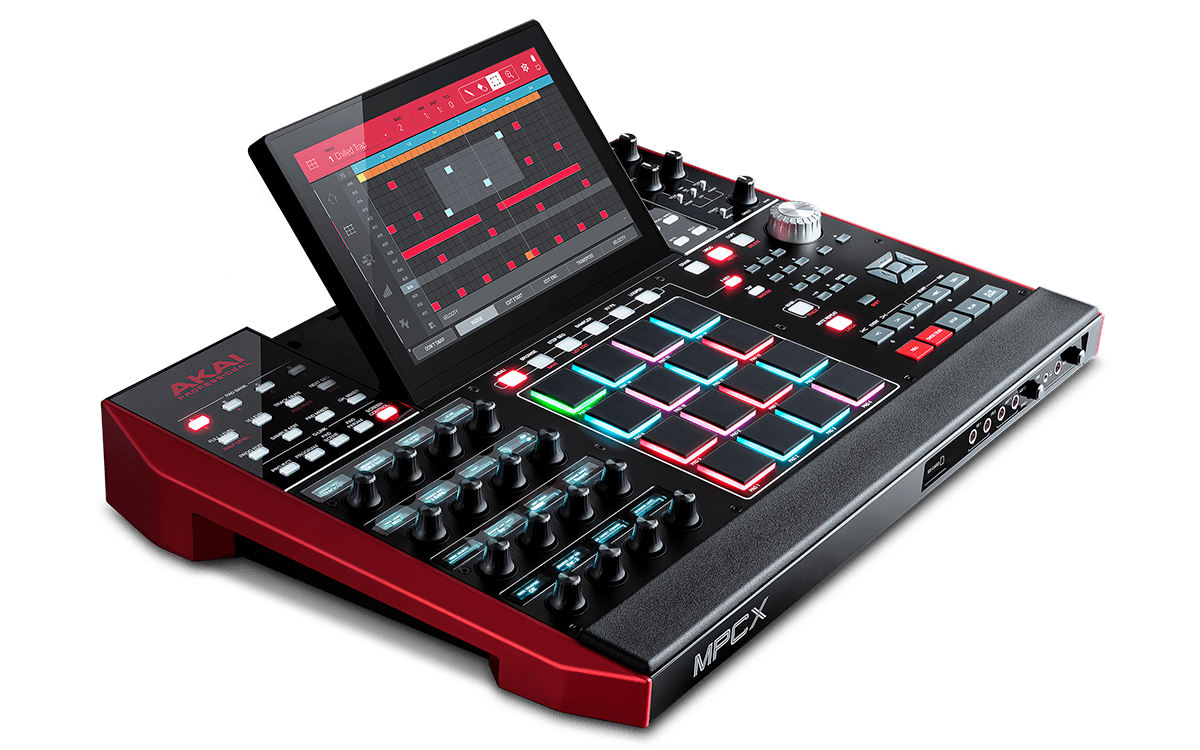
The MPC X is a powerful music-making machine that works with or without a computer. It has a big touchscreen, colorful pads, and tons of sounds built in. You can plug in microphones, turntables, and instruments, or add even more music with USB drives and SD cards. It's great for making beats, recording songs, and controlling other music gear. The MPC X is made for serious creators who want everything in one place.
Teenage Engineering OP-1 Field
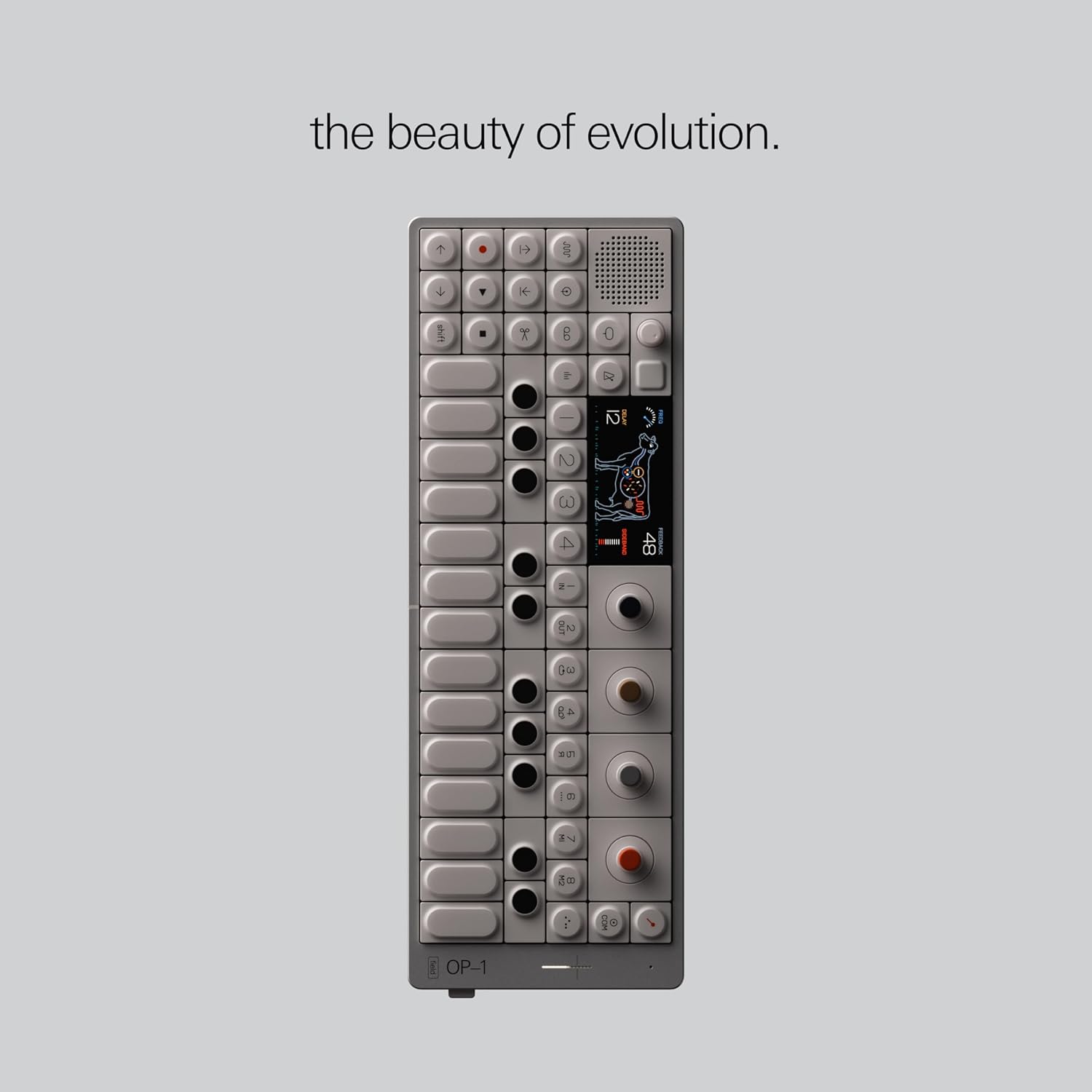
The OP-1 Field is a super cool, all-in-one music maker you can take anywhere. It's small, strong, and sounds amazing. You can play music, record sounds, and mix it all together right on the device. It has a bright screen, loud speakers, and even velcro on the back to add fun stuff. You can connect it to your phone or computer, and it works great with other music gear too. Whether you're at home or outside, it's ready to help you create awesome music.
| Spec | Akai MPC X | Teenage Engineering OP-1 Field |
|---|---|---|
| Manufacturer | Akai Professional | Teenage Engineering |
| Year Released | 2017 | 2022 |
| Polyphony | 128 | 8 |
| Sample Rate | 44.1kHz | 44.1kHz |
| Storage | Internal SSD | Internal storage |
| Pads | 16 velocity-sensitive RGB pads | No pads, uses buttons |
| Sequencer | Yes | Yes |
| Effects | EQ, Reverb, Delay, Compression | Multiple effects |
| I/O | MIDI In/Out, USB, Audio In/Out | USB Audio, MIDI |
| Screen | 10.1-inch multi-touch display | OLED display |
| Software Integration | MPC Software | No |
| Build | Standalone | Portable synth/sampler/sequencer |
| Price | $2500 | $1999 |
| More about | Details | Details |
Buy the Akai MPC X on Amazon.com
Buy Now On AmazonBuy the Teenage Engineering OP-1 Field on Amazon.com
Buy Now On AmazonAkai MPC X vs. Teenage Engineering OP-1 Field: A Tale of Two Samplers
Summary: In this article, we’ll dive into the differences between the Akai MPC X and the Teenage Engineering OP-1 Field. Both are powerful music-making machines, but they cater to different types of musicians. Let’s explore their features, pros, and cons to help you decide which one suits your creative needs best.
Introduction
Hey there, music makers! If you love making beats and creating music, you’ve probably heard of the Akai MPC X and the Teenage Engineering OP-1 Field. These two devices are like superheroes in the world of music gear. But which one is the right hero for you? Today, we’ll take a closer look at these two samplers to help you figure that out. Whether you’re a pro looking for a studio powerhouse or a beginner seeking a portable companion, there’s something here for everyone. So, let’s get started!
A Look at Features
Both the Akai MPC X and the OP-1 Field are amazing tools for making music, but they have different features that make them special. Let’s see how they compare.
Polyphony and Sample Rate
First up, we have polyphony, which is a fancy word for how many notes a device can play at once. The Akai MPC X has a whopping 128-note polyphony. That’s like having a whole orchestra at your fingertips! On the other hand, the OP-1 Field offers an 8-note polyphony. While that might sound small, it’s still plenty for creating cool and catchy tunes.
Both devices record and play back at a 44.1kHz sample rate, which is the standard for high-quality audio. So, in terms of sound quality, they’re both top-notch.
Storage and Pads
When it comes to storing your music, the Akai MPC X comes with an internal SSD. This means you can save lots of your projects directly on the device. The OP-1 Field also has internal storage, but it doesn’t specify what type. Still, it should be enough to hold your creative ideas.
Now, let’s talk about pads. The Akai MPC X is famous for its 16 velocity-sensitive RGB pads. These are great for finger drumming and triggering samples. The OP-1 Field doesn’t have pads but uses buttons instead. This might take some getting used to if you love hitting pads, but it’s part of what makes the OP-1 Field unique.
Sequencer and Effects
Both machines come with a sequencer, which is essential for arranging your music. The Akai MPC X’s sequencer is integrated with its MPC Software, offering a familiar workflow for those who love the classic MPC feel. Meanwhile, the OP-1 Field boasts a creative sequencer that encourages experimentation.
In terms of effects, the Akai MPC X includes EQ, Reverb, Delay, and Compression. These effects are what you’d expect in a professional setup. The OP-1 Field has multiple effects, but it doesn’t specify which ones. However, Teenage Engineering is known for their quirky and fun effects, so expect something unique!
Connectivity and Screen
Connecting your sampler to other devices is crucial. The Akai MPC X is loaded with connectivity options, including MIDI In/Out, USB, and Audio In/Out. The OP-1 Field offers USB Audio and MIDI connections, making it easy to connect to your computer or other gear.
The Akai MPC X shines with its 10.1-inch multi-touch display. It’s like using a big tablet that’s made for music. In contrast, the OP-1 Field has a smaller OLED display. It’s bright and clear, but not as touch-friendly as the MPC X.
Software Integration and Build
The Akai MPC X integrates smoothly with MPC Software, giving users a powerful environment for creating music. The OP-1 Field doesn’t have software integration. Instead, it’s a standalone device that’s meant to be a one-stop music-making machine.
Speaking of standalone, both devices are designed to work without a computer, but they have different builds. The Akai MPC X is a standalone workstation, perfect for studio use. The OP-1 Field is portable and combines a synth, sampler, and sequencer into one, making it great for on-the-go creativity.
Price
Finally, let’s talk about price. The Akai MPC X costs about $2500, which is a significant investment. The OP-1 Field is priced at $1300. While still pricey, it’s more accessible for those just starting out.
Pros and Cons
Akai MPC X
Pros:
- High Polyphony: 128 notes mean you can layer lots of sounds.
- Large Touchscreen: Makes it easy to navigate and create.
- Professional Effects: Comes with everything you need to polish your tracks.
- Great Connectivity: Lots of ways to connect with other devices.
Cons:
- Pricey: At $2500, it’s a big investment.
- Less Portable: Designed for studio use, not for carrying around.
Teenage Engineering OP-1 Field
Pros:
- Portable and Compact: Easy to take with you anywhere.
- Unique Design: Encourages creativity with its quirky style.
- Affordable: More budget-friendly at $1300.
- Standalone and Versatile: Combines multiple functions for all-in-one music making.
Cons:
- Lower Polyphony: Only 8 notes, which limits layering.
- No Pads: Uses buttons, which might not appeal to everyone.
- Limited Connectivity: Fewer options compared to the MPC X.
Final Verdict
The Akai MPC X is perfect for professional musicians and producers who want a powerful workstation in their studio. Its high polyphony, large touchscreen, and professional effects make it ideal for creating polished tracks. However, if you’re someone who loves making music on the go, the Teenage Engineering OP-1 Field might be your best bet. Its portability, unique design, and affordability make it a great choice for beginners and those who like to create music anywhere.
In the end, both devices offer incredible features, but it all boils down to what you need as a music creator. Whether you choose the Akai MPC X or the OP-1 Field, you’re sure to have a lot of fun making music!