Akai MPC1000 — VS — Akai MPC2500
Akai MPC1000
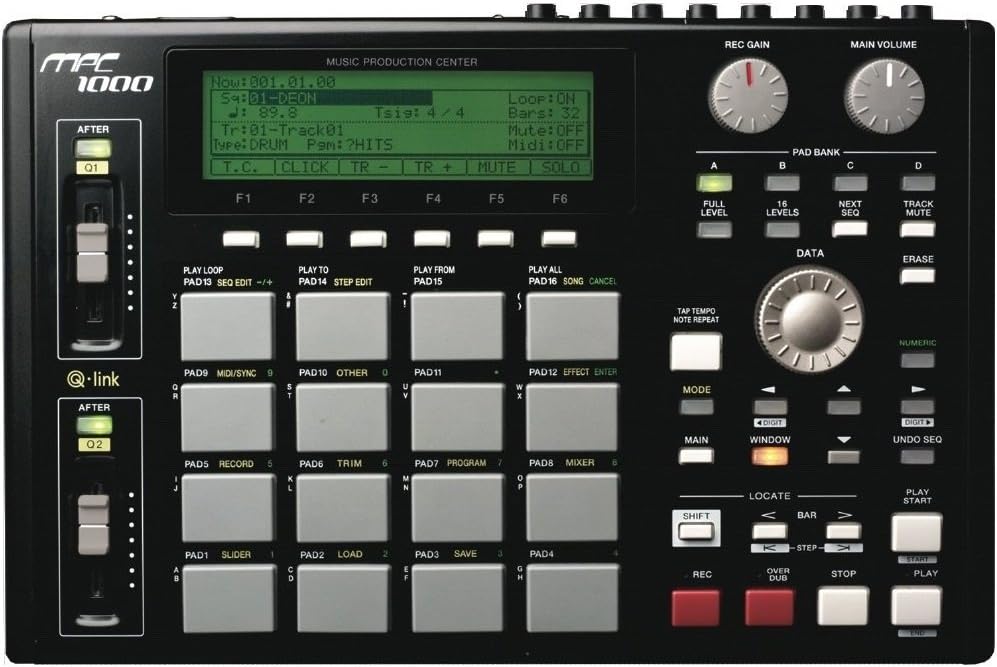
The Akai MPC1000 packs powerful music-making tools into a small, affordable machine. It features 32-voice stereo sampling, a 64-track sequencer, and 16 responsive pads for real-time playing and recording. With 16MB of built-in memory (expandable to 128MB) and the ability to save projects on a Compact Flash card, it’s easy to keep your sounds handy. Plus, you can connect it to a computer via USB to drag and drop your work quickly. Compact and rugged, the MPC1000 is perfect for producers on the go.
Akai MPC2500
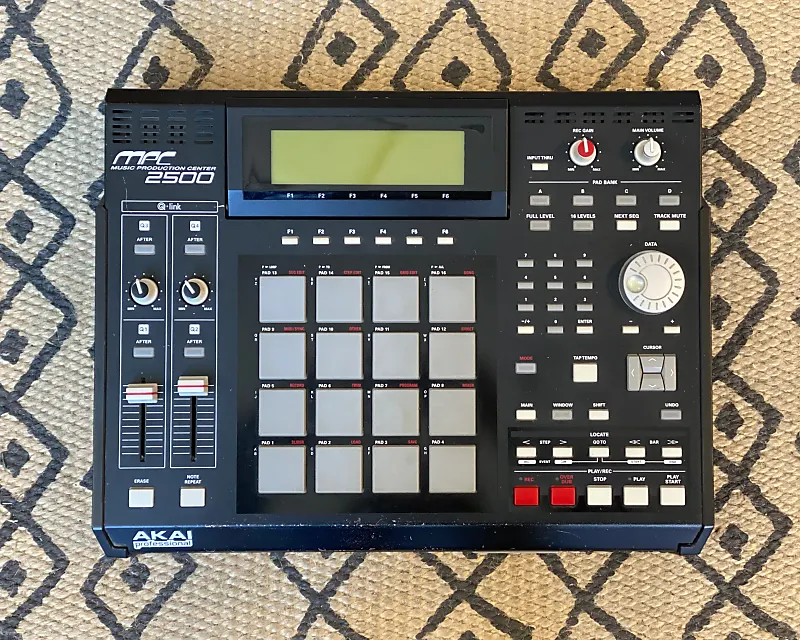
The Akai MPC2500 is a trusted tool for making beats and producing music, used by pros and performers alike. It has 16 classic pads, powerful sampling and editing features, and up to 128MB of memory for loading sounds. You get a 64-track sequencer, built-in effects, and real-time controls to shape your music as you play. With multiple outputs and easy file storage using CF cards or an optional hard drive, the MPC2500 gives you everything you need to create, perform, and finish your tracks—all in one solid machine.
| Spec | Akai MPC1000 | Akai MPC2500 |
|---|---|---|
| Manufacturer | Akai Professional | Akai Professional |
| Year Released | 2003 | 2005 |
| Polyphony | 64 | 64 |
| Sample Rate | 44.1kHz | 44.1kHz |
| Storage | CompactFlash | CompactFlash, ZIP Drive |
| Pads | 16 velocity-sensitive pads | 16 velocity-sensitive pads |
| Sequencer | Yes | Yes |
| Effects | EQ, Compression, Reverb | EQ, Compression, Reverb, Delay |
| I/O | MIDI In/Out, Audio In/Out | MIDI In/Out, Audio In/Out |
| Screen | LCD | LCD |
| Software Integration | MPC Software | MPC Software |
| Build | Standalone | Standalone |
| Price | $700 used | $800 used |
| More about | Details | Details |
Akai MPC1000 vs. Akai MPC2500: Which Is Right for You?
In the world of music production, samplers are a key tool for creating beats and melodies. Two popular models from Akai Professional, the Akai MPC1000 and the Akai MPC2500, have been go-to choices for musicians for many years. This blog post will compare these two samplers in a simple and engaging way to help you decide which one might be the best fit for your music-making needs.
Introduction
Imagine having a powerful music-making machine at your fingertips! That’s what the Akai MPC1000 and the Akai MPC2500 offer. These samplers are like mini music studios that can go anywhere you do. They are great for creating beats, recording music, and making your own sounds. But which one is better for you? Let’s dive into the details and find out!
Feature Comparisons
Year of Release and Build
The Akai MPC1000 was released in 2003, while the Akai MPC2500 came out a bit later, in 2005. Both are standalone devices, meaning they can work by themselves without needing a computer. This standalone feature makes them great for musicians who want to create music on the go or in different places.
Polyphony and Sample Rate
Both the MPC1000 and the MPC2500 have a polyphony of 64 voices. This means they can play up to 64 individual sounds at the same time. They also share the same sample rate of 44.1kHz, which is the standard quality for CDs. So, when it comes to sound quality, they are on equal footing.
Storage Options
The MPC1000 uses CompactFlash cards for storage, which are like super-sized memory cards for saving your sounds and music. The MPC2500, on the other hand, offers a bit more flexibility with both CompactFlash and ZIP Drive options. This means you can have more ways to store and transfer your music, which can be handy if you work with larger files or need more storage space.
Pads and Sequencer
Both samplers feature 16 velocity-sensitive pads. These pads are where the magic happens! You can tap them to play sounds, create beats, and make music. The velocity sensitivity means the pads respond to how hard or soft you tap them, adding more expression to your music. Both models also have a sequencer, which helps you arrange your sounds into songs.
Effects
The MPC1000 comes with three effects: EQ, Compression, and Reverb. These effects are like special tools to change and improve the sound of your music. The MPC2500 has all these effects plus an additional Delay effect, giving you even more options to play with your sound.
Input/Output and Screen
Both models have MIDI In/Out and Audio In/Out, which are essential for connecting your sampler to other music gear or recording equipment. They also feature an LCD screen, which helps you navigate through menus and see what you’re doing.
Software Integration
Both samplers integrate with MPC Software, allowing you to connect with a computer if you choose. This can be useful for transferring files or expanding your music-making capabilities.
Pros and Cons
Akai MPC1000 Pros and Cons
Pros:
- Compact and Portable: Easy to carry around.
- Affordable: Priced at around $700 used, it’s a great option for beginners.
- Solid Effects: Includes essential effects like EQ, Compression, and Reverb.
Cons:
- Limited Storage Options: Only uses CompactFlash.
- Fewer Effects: Missing the Delay effect found in the MPC2500.
Akai MPC2500 Pros and Cons
Pros:
- More Storage Options: Uses both CompactFlash and ZIP Drive.
- Additional Effects: Includes Delay, offering more sound-shaping possibilities.
- Improved Sequencing: Enhanced features for arranging your music.
Cons:
- Slightly More Expensive: Priced at around $800 used, it costs a bit more than the MPC1000.
- Larger in Size: May not be as portable as the MPC1000.
Summary
Both the Akai MPC1000 and Akai MPC2500 are excellent samplers with a lot to offer. They share many features, but the MPC2500 has a few advantages with its additional storage options and effects.
Final Verdict
If you’re just starting out and want a compact, affordable option, the Akai MPC1000 is a great choice. It’s perfect for beginners or musicians who need a portable music-making machine.
On the other hand, if you need more storage flexibility and additional effects for more advanced music production, the Akai MPC2500 might be the better option. It’s ideal for musicians who want to expand their creative possibilities.
No matter which one you choose, both the MPC1000 and the MPC2500 will provide you with powerful tools to create amazing music. Happy music making!