Akai MPC1000 — VS — Akai MPC5000
Akai MPC1000
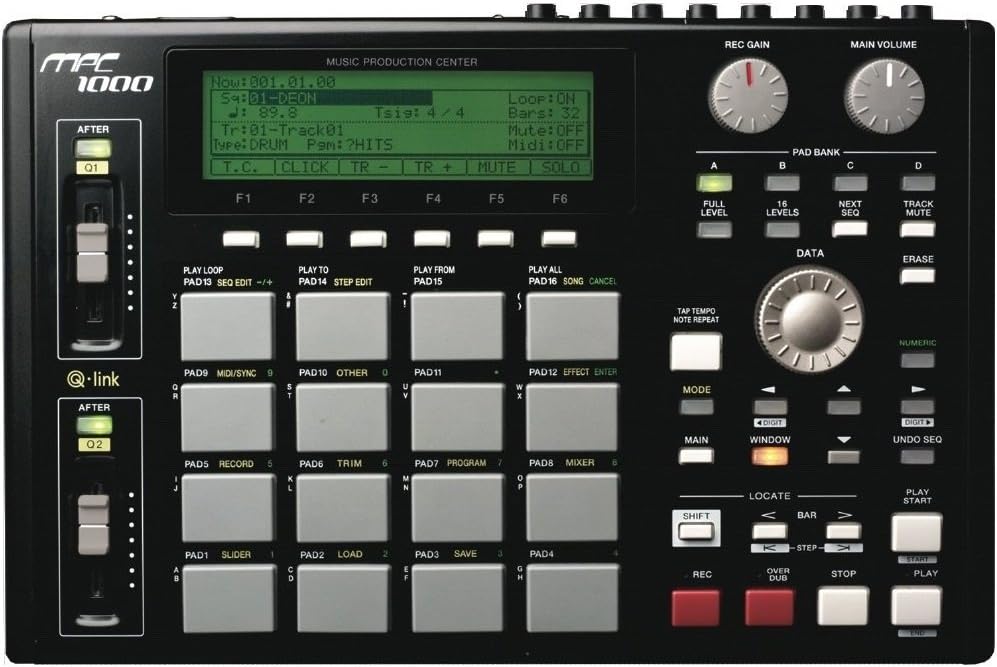
The Akai MPC1000 packs powerful music-making tools into a small, affordable machine. It features 32-voice stereo sampling, a 64-track sequencer, and 16 responsive pads for real-time playing and recording. With 16MB of built-in memory (expandable to 128MB) and the ability to save projects on a Compact Flash card, it’s easy to keep your sounds handy. Plus, you can connect it to a computer via USB to drag and drop your work quickly. Compact and rugged, the MPC1000 is perfect for producers on the go.
Akai MPC5000
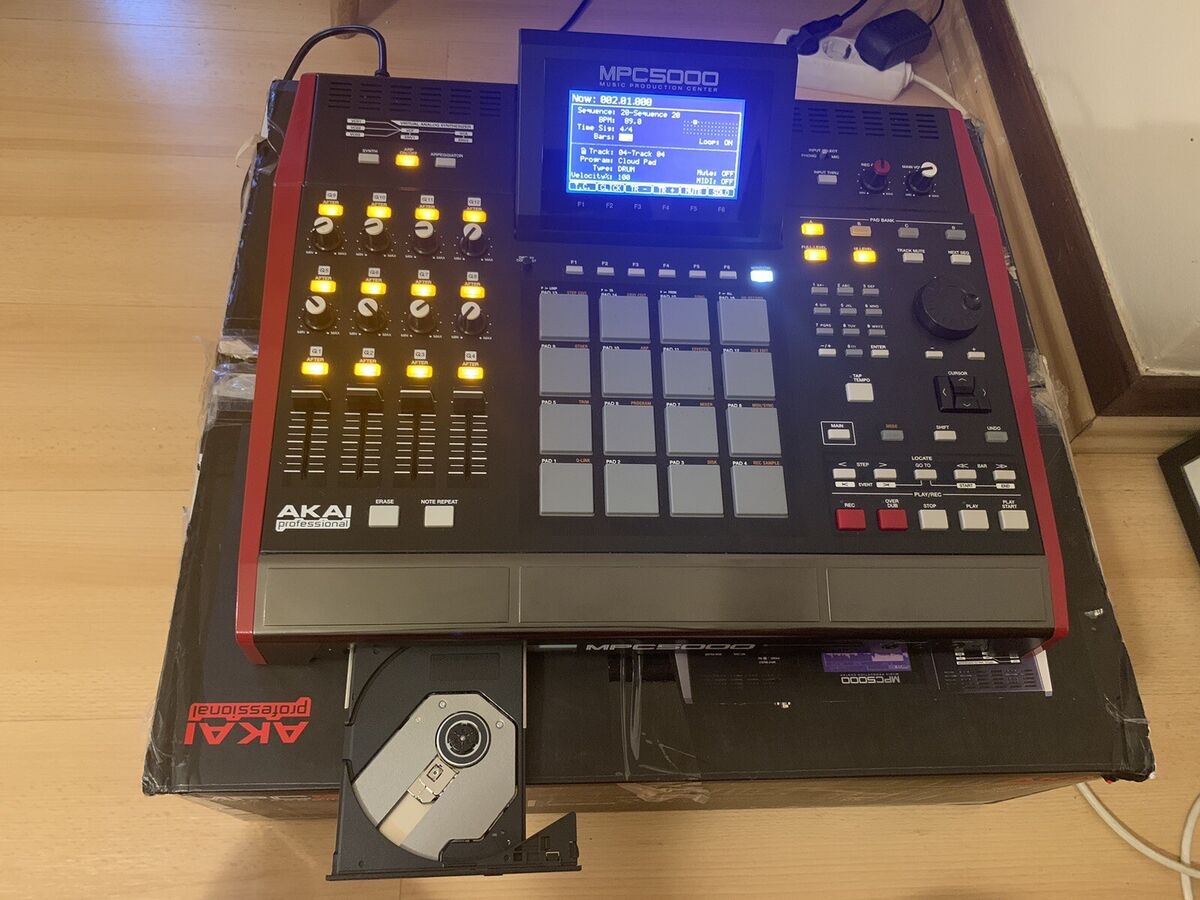
High-end MPC with expanded sampling and advanced effects.
| Spec | Akai MPC1000 | Akai MPC5000 |
|---|---|---|
| Manufacturer | Akai Professional | Akai Professional |
| Year Released | 2003 | 2006 |
| Polyphony | 64 | 128 |
| Sample Rate | 44.1kHz | 44.1kHz |
| Storage | CompactFlash | Internal Hard Drive, CompactFlash |
| Pads | 16 velocity-sensitive pads | 16 velocity-sensitive pads |
| Sequencer | Yes | Yes |
| Effects | EQ, Compression, Reverb | EQ, Compression, Reverb, Delay, Filtering |
| I/O | MIDI In/Out, Audio In/Out | MIDI In/Out, Audio In/Out |
| Screen | LCD | Color LCD |
| Software Integration | MPC Software | MPC Software |
| Build | Standalone | Standalone |
| Price | $700 used | $1200 used |
| More about | Details | Details |
Akai MPC1000 vs. Akai MPC5000: Which Sampler Is Right for You?
If you’re a music gear enthusiast, you’ve probably heard of the iconic Akai MPC series. Among the most talked-about models are the Akai MPC1000 and the Akai MPC5000. In this post, we’ll dive deep into these two powerful music production centers to find out which one suits your needs best. Whether you’re a budding beatmaker or a seasoned producer, understanding the strengths and weaknesses of each model is crucial to making the right choice.
Introduction
Welcome to the world of Akai MPCs, where creativity meets technology. The MPC series has been a cornerstone in music production since the late 1980s. Known for their intuitive design and powerful capabilities, MPCs have shaped the sound of countless genres. Today, we’re focusing on two standout models: the Akai MPC1000 and the Akai MPC5000. Both have unique features that cater to different kinds of music creators. Let’s explore these samplers and see what makes each one special.
Feature Comparison
Sound and Polyphony
The Akai MPC1000, released in 2003, offers a polyphony of 64 voices. This means it can play up to 64 different sounds at once. On the other hand, the Akai MPC5000, introduced in 2006, doubles that ability with a polyphony of 128 voices. If you’re into creating complex arrangements with multiple layers, the MPC5000 gives you more room to experiment.
Both models sample at a standard rate of 44.1kHz, ensuring CD-quality sound. The sound quality is consistently reliable across both devices, making either a solid choice for high-quality production.
Storage and Sampling
When it comes to storage, the MPC1000 relies on CompactFlash cards. This was quite common at the time of its release. The MPC5000, however, offers a more advanced setup with both an internal hard drive and CompactFlash support. This allows for greater storage capacity and ease of access to samples, which is a significant advantage for users who work with large sample libraries.
Pads and Sequencing
Both the MPC1000 and MPC5000 come with 16 velocity-sensitive pads, a signature feature of the MPC series. These pads are perfect for finger drumming and triggering samples. The sequencing capabilities are also strong in both models, with each providing robust and intuitive sequencing features. This makes them ideal for live performances and studio work alike.
Effects and Processing
In terms of effects, the MPC1000 provides the basics: EQ, compression, and reverb. These are essential for shaping your sound. The MPC5000 goes a step further by including additional effects like delay and filtering. This expanded effects suite offers more flexibility and creative potential, especially for users looking to experiment with sound design.
Display and Interface
The MPC1000 is equipped with an LCD screen, which is functional but somewhat basic. In contrast, the MPC5000 features a color LCD, providing a richer and more intuitive user experience. The enhanced display on the MPC5000 makes navigating complex projects easier and more visually appealing.
Price and Value
The MPC1000 is more budget-friendly, typically priced around $700 on the used market. It’s an excellent option for those who are just starting out or those who need a reliable device without breaking the bank. The MPC5000, priced at approximately $1200 used, offers more features and capabilities, but at a higher cost. It’s a worthwhile investment for those who can utilize its expanded capabilities.
Pros and Cons
Akai MPC1000
Pros:
- Affordable and accessible for beginners
- Reliable sound quality with 64-voice polyphony
- CompactFlash storage is easy to manage
- Classic, straightforward design
Cons:
- Limited effects compared to newer models
- Basic LCD screen
- Storage capacity is lower than the MPC5000
Akai MPC5000
Pros:
- High polyphony of 128 voices for complex compositions
- Advanced effects including delay and filtering
- Internal hard drive for expanded storage
- Color LCD enhances user experience
Cons:
- Higher price point might be a barrier for some
- Larger and heavier, less portable
- More complex interface could be overwhelming for beginners
Conclusion
In summary, the Akai MPC1000 and MPC5000 each have their own strengths. The MPC1000 is a great choice for those who are just starting out or for anyone looking for a straightforward, reliable sampler. The MPC5000, with its advanced features and higher polyphony, suits more experienced producers who need more from their gear.
Final Verdict
So, which one should you choose? If you’re a beginner or on a budget, the Akai MPC1000 is perfect for you. It’s reliable, affordable, and easy to use. However, if you’re a seasoned producer looking for more power and advanced features, the Akai MPC5000 is worth the investment. It provides more creative options and is better suited for complex projects.
In the end, both the MPC1000 and MPC5000 are excellent tools that can help you realize your musical visions. Choose the one that fits your needs and start making music today!