Akai MPC1000 — VS — Elektron Analog Rytm MKII
Akai MPC1000
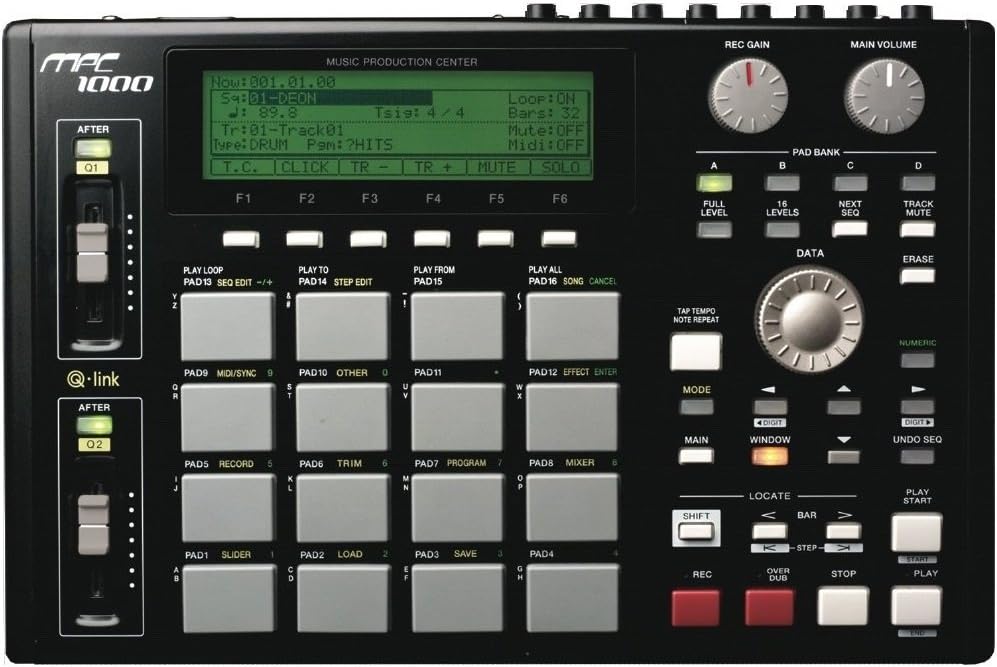
The Akai MPC1000 packs powerful music-making tools into a small, affordable machine. It features 32-voice stereo sampling, a 64-track sequencer, and 16 responsive pads for real-time playing and recording. With 16MB of built-in memory (expandable to 128MB) and the ability to save projects on a Compact Flash card, it’s easy to keep your sounds handy. Plus, you can connect it to a computer via USB to drag and drop your work quickly. Compact and rugged, the MPC1000 is perfect for producers on the go.
Elektron Analog Rytm MKII
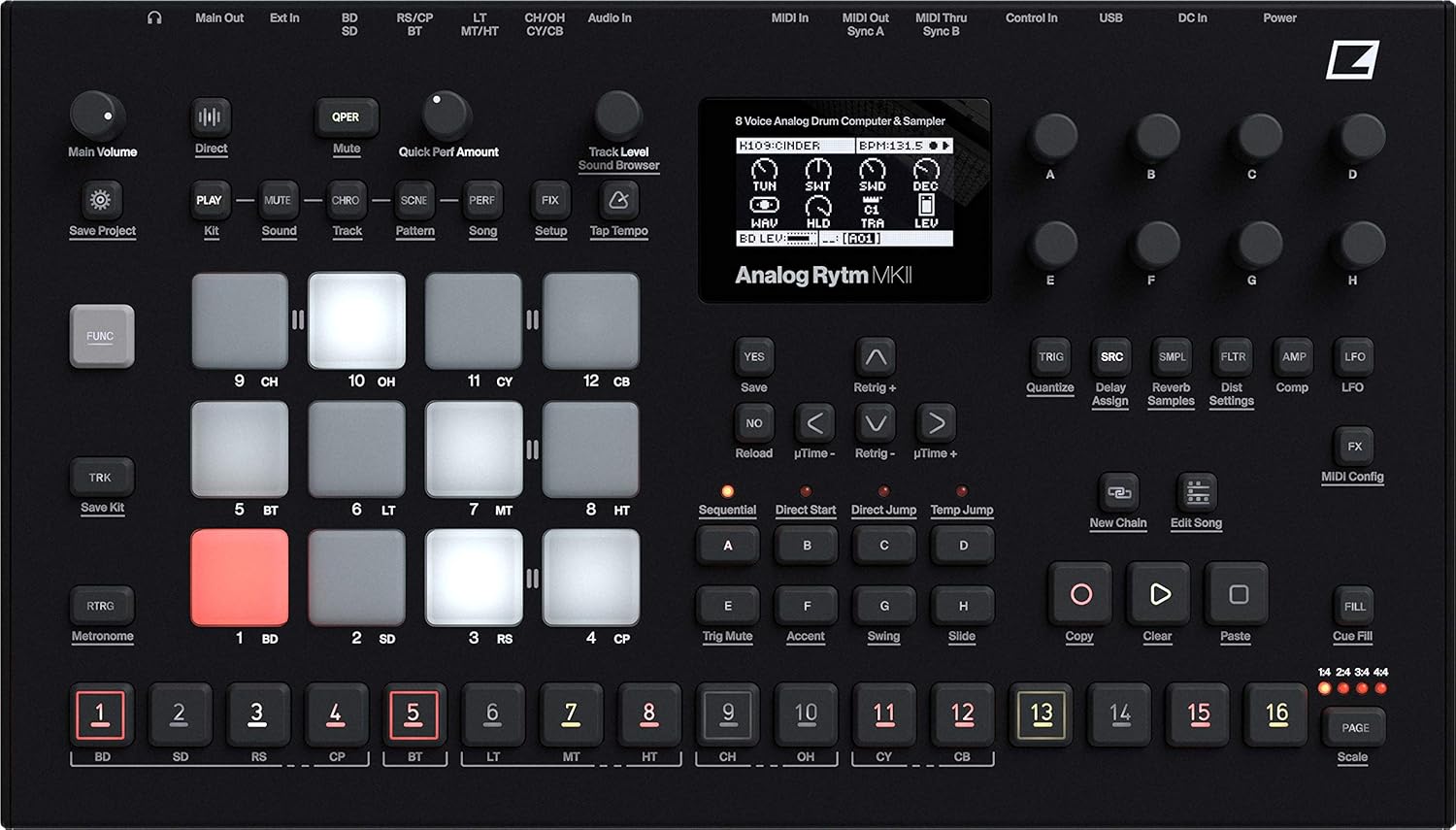
The Analog Rytm MKII is a powerful drum machine and sampler that helps you make awesome beats. It has 8 different drum sounds you can shape with real analog power and digital samples. You can tap on big, fun pads to play your sounds, or use the step sequencer to build cool rhythms. It lets you record sounds, change them up, and mix them however you like. Whether you're making music at home or performing on stage, this beat machine is ready to help you create something amazing.
| Spec | Akai MPC1000 | Elektron Analog Rytm MKII |
|---|---|---|
| Manufacturer | Akai Professional | Elektron |
| Year Released | 2003 | 2018 |
| Polyphony | 64 | 12 |
| Sample Rate | 44.1kHz | 48kHz |
| Storage | CompactFlash | SD card |
| Pads | 16 velocity-sensitive pads | 8 velocity-sensitive pads |
| Sequencer | Yes | Yes |
| Effects | EQ, Compression, Reverb | Analog and digital effects |
| I/O | MIDI In/Out, Audio In/Out | MIDI In/Out/Thru, USB, Audio In/Out |
| Screen | LCD | OLED display |
| Software Integration | MPC Software | Elektron Transfer |
| Build | Standalone | Desktop |
| Price | $700 used | $2299 |
| More about | Details | Details |
Buy the Elektron Analog Rytm MKII on Amazon.com
Buy Now On AmazonElektron Analog Rytm MKII vs. Akai MPC1000: A Beatmaker’s Dream Showdown
Summary: The Elektron Analog Rytm MKII and Akai MPC1000 are two popular choices for music producers, each with its own unique features and capabilities. This article explores their differences in detail, helping you decide which sampler best fits your needs.
Introduction
When it comes to creating beats and music, having the right tools can make all the difference. Two popular choices among music producers are the Elektron Analog Rytm MKII and the Akai MPC1000. These samplers are known for their unique abilities to transform sound into fantastic beats. But which one is right for you? Let’s dive into a detailed comparison to find out!
Elektron Analog Rytm MKII
The Elektron Analog Rytm MKII is a modern drum machine with both analog and digital capabilities. Made by Elektron in 2018, it has become a favorite for those looking for a versatile tool in music production.
Features of the Elektron Analog Rytm MKII
- Polyphony and Pads: This machine offers 12-voice polyphony with 8 velocity-sensitive pads. This means you can play up to 12 sounds at once, creating complex and rich beats.
- Sound and Effects: With a sample rate of 48kHz, the sound quality is impressive. It also includes both analog and digital effects, allowing for creative sound manipulation.
- Connections and Integration: The device offers MIDI In/Out/Thru, USB, and Audio In/Out connections. It integrates seamlessly with Elektron Transfer software, making it easy to manage your samples and projects.
- Build and Display: The Rytm MKII is a desktop device with a sleek OLED display, helping you navigate through your music creation process effortlessly.
- Price: Priced at around $1800, it’s a premium choice for serious music producers.
Pros and Cons of the Elektron Analog Rytm MKII
Pros:
- High-quality sound with both analog and digital effects.
- Strong build quality with an intuitive OLED display.
- Seamless software integration for easy sample management.
Cons:
- Higher price point compared to other samplers.
- Limited to 8 pads, which might not be enough for some users.
Akai MPC1000
The Akai MPC1000, released in 2003 by Akai Professional, is a classic in the world of music production. Known for its robust sequencing capabilities, it’s a standalone device that has stood the test of time.
Features of the Akai MPC1000
- Polyphony and Pads: With 64-voice polyphony and 16 velocity-sensitive pads, the MPC1000 allows for complex layering and rhythm creation.
- Sound and Effects: It has a sample rate of 44.1kHz and includes EQ, Compression, and Reverb effects, providing essential tools for shaping your sound.
- Connections and Integration: MIDI In/Out and Audio In/Out allow for flexible connectivity. The MPC Software offers additional functionality for managing your music projects.
- Build and Display: As a standalone device, the MPC1000 is portable and features an LCD screen, though not as advanced as OLED, it still provides the necessary information.
- Price: Available for around $700 on the used market, it’s a more affordable option for those entering the world of music production.
Pros and Cons of the Akai MPC1000
Pros:
- Offers a larger number of pads and higher polyphony.
- Affordable price makes it accessible for beginners.
- Classic design with reliable performance.
Cons:
- Lower sample rate compared to modern devices.
- The LCD screen is less advanced than newer technology.
- Limited to used models, as it’s no longer in production.
Feature Comparisons
Sound Quality and Effects
The Elektron Analog Rytm MKII boasts superior sound quality with its 48kHz sample rate and a blend of analog and digital effects. This offers a rich palette for sound design. In contrast, the Akai MPC1000, with its 44.1kHz sample rate, provides essential but more basic effects like EQ, Compression, and Reverb. While the MPC1000’s sound quality is still respectable, it doesn’t quite match the depth offered by the Rytm MKII.
Pads and Polyphony
When it comes to pads, the MPC1000 takes the lead with 16 velocity-sensitive pads compared to the Rytm MKII’s 8. This allows for more dynamic and complex rhythm compositions. Additionally, the MPC1000’s 64-voice polyphony significantly outpaces the Rytm MKII’s 12 voices, enabling deeper layering and more intricate projects.
Portability and Build
The MPC1000 is a standalone device, meaning it doesn’t require a computer to function, making it portable and convenient for on-the-go beatmakers. The Rytm MKII, being a desktop unit, is more suited for a studio environment, although its robust build ensures durability.
Screen and Interface
The Rytm MKII’s OLED display offers a modern and user-friendly interface, making it easy to navigate its features and settings. The MPC1000’s LCD screen is functional but lacks the clarity and ease that OLED provides.
Price and Value
The price difference between the two is notable, with the Rytm MKII positioned as a high-end product at $1800, while the MPC1000 is an economical choice at around $700 used. This makes the MPC1000 a more accessible option for beginners or those on a budget.
Final Verdict
Both the Elektron Analog Rytm MKII and the Akai MPC1000 have their strengths and appeal to different types of music producers. The Elektron Analog Rytm MKII is ideal for those seeking high-quality sound, advanced effects, and a modern interface, making it perfect for professional studio use. On the other hand, the Akai MPC1000 is a classic choice for those who appreciate its larger pad array, standalone functionality, and affordability, making it great for beginners and those who value portability.
Choosing between these two depends largely on your needs and budget. If you’re looking for cutting-edge technology and don’t mind the higher price, the Elektron Analog Rytm MKII is a fantastic choice. However, if you’re seeking a reliable, cost-effective tool with a classic touch, the Akai MPC1000 won’t disappoint.