Akai MPC1000 — VS — Elektron Digitakt II
Akai MPC1000
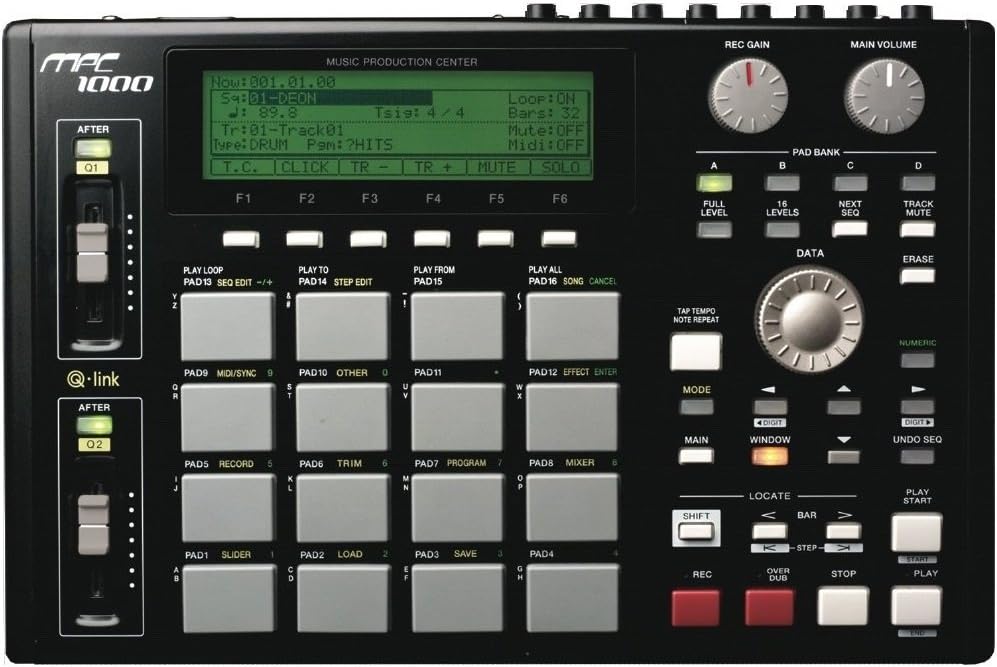
The Akai MPC1000 packs powerful music-making tools into a small, affordable machine. It features 32-voice stereo sampling, a 64-track sequencer, and 16 responsive pads for real-time playing and recording. With 16MB of built-in memory (expandable to 128MB) and the ability to save projects on a Compact Flash card, it’s easy to keep your sounds handy. Plus, you can connect it to a computer via USB to drag and drop your work quickly. Compact and rugged, the MPC1000 is perfect for producers on the go.
Elektron Digitakt II
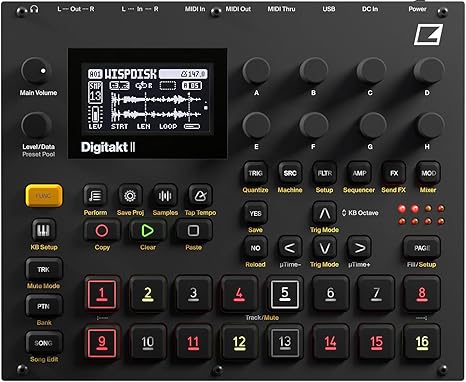
The Digitakt II is a fun music machine that lets you make beats and play with sounds. It has 16 tracks you can use to mix music, record sounds in stereo, or control other gear. You can change and shape your sounds in cool ways, with lots of new and improved features. It has tons of memory so you can store lots of sounds and keep creating for a long time. It's like a sound playground for your imagination!
| Spec | Akai MPC1000 | Elektron Digitakt II |
|---|---|---|
| Manufacturer | Akai Professional | Elektron |
| Year Released | 2003 | 2024 |
| Polyphony | 64 | 16 |
| Sample Rate | 44.1kHz | 48kHz |
| Storage | CompactFlash | Internal storage |
| Pads | 16 velocity-sensitive pads | No pads, uses buttons |
| Sequencer | Yes | Yes |
| Effects | EQ, Compression, Reverb | Delay, reverb, chorus, bit reduction, sample reduction, and overdrive per track |
| I/O | MIDI In/Out, Audio In/Out | MIDI In/Out/Thru, USB, Audio Out |
| Screen | LCD | OLED display |
| Software Integration | MPC Software | Elektron Transfer |
| Build | Standalone | Desktop |
| Price | $700 used | $1149 |
| More about | Details | Details |
Buy the Elektron Digitakt II on Amazon.com
Buy Now On AmazonSummary
In the world of music production, both the Akai MPC1000 and the Elektron Digitakt II offer unique features tailored to different types of music creators. The Akai MPC1000 is a classic, portable powerhouse perfect for creating beats on the go, while the Elektron Digitakt II is a modern, versatile machine designed for innovative sound exploration.
The Battle of the Samplers: Akai MPC1000 vs. Elektron Digitakt II
When it comes to making music, having the right tools can make all the difference. Two popular samplers, the Akai MPC1000 and the Elektron Digitakt II, are often compared by music enthusiasts. These instruments are like magical boxes that help musicians create and play with sounds. But which one is right for you? Let’s dive in and see what makes each of these machines special.
What Is a Sampler?
Before we start comparing, let’s talk about what a sampler is. A sampler is a musical instrument that records sounds and plays them back. You can use it to make beats, melodies, and even entire songs. Think of it like a paint palette for music, where each sound is a different color.
Meet the Akai MPC1000

The Akai MPC1000 has been around since 2003 and is beloved by many musicians for its compact size and powerful features. It has 16 pads that are sensitive to how hard you hit them, which means you can play with dynamics, just like a real drum set. With 64 voices of polyphony, you can layer multiple sounds without worrying about running out of space for your creativity.
Features and Fun
- Sample Rate and Storage: The MPC1000 records at a sample rate of 44.1kHz, giving clear and crisp sound quality. It uses CompactFlash cards to store your projects, which is like a tiny backpack for your music, letting you take your sounds wherever you go.
- Built-in Effects: You can add effects like EQ, compression, and reverb to shape your sounds and make them stand out. These tools are like magic wands that can transform ordinary sounds into something extraordinary.
- Connect and Create: With MIDI and audio connections, you can hook it up to other music devices and a computer. That means you can expand your setup and create even more complex music.
Pros and Cons of the Akai MPC1000
Pros:
- Portable and durable
- Easy to use with intuitive controls
- Good for live performances and studio work
- Affordable on the used market
Cons:
- Limited storage with CompactFlash cards
- Older technology compared to newer models
- LCD screen is not as bright or clear as modern displays
Say Hello to the Elektron Digitakt II

Fast forward to the future, and we have the Elektron Digitakt II, released in 2024. This sampler is like a spaceship for sounds, packed with advanced features and a sleek design. Unlike the MPC1000, it doesn’t have pads but uses buttons to trigger sounds, which can be just as fun!
Exploring Features
- Sample Rate and Storage: The Digitakt II records at a higher sample rate of 48kHz, ensuring even finer sound detail. It boasts internal storage, so you don’t need extra cards. This is like having a treasure chest inside your machine, always ready for new sounds.
- Awesome Effects: It comes with a wide range of effects, including delay, reverb, chorus, bit reduction, and more. These effects are like a playground for your creativity, letting you twist and turn sounds into surprising new shapes.
- Connectivity and Control: With MIDI In/Out/Thru and USB connections, it’s easy to integrate into any studio setup. Plus, its OLED display is bright and clear, making it easy to see what you’re doing.
Pros and Cons of the Elektron Digitakt II
Pros:
- High sample rate for professional sound quality
- Extensive range of effects per track
- Modern design with a bright OLED screen
- Great for experimental sound design
Cons:
- Higher price point
- No traditional pads, which some users might miss
- Steeper learning curve for beginners
Breaking It Down
Both the Akai MPC1000 and the Elektron Digitakt II have sequencers, which are like musical maps that arrange your sounds into a song. Whether you’re making a simple beat or a complex composition, these tools help you organize your ideas.
Polyphony
The MPC1000 offers 64 voices of polyphony, which means you can play and layer more sounds at once compared to the Digitakt II’s 16 voices. This is great for those who want to create rich, full arrangements without running out of notes.
Build and Design
The MPC1000 is a standalone unit, which means it doesn’t rely on a computer to function. This makes it a great choice for musicians who want portability and flexibility. On the other hand, the Digitakt II is a desktop unit, designed to be part of a larger studio setup. Its modern design and build quality make it a stylish and robust choice for any music creator.
Who Should Choose What?
-
For the Akai MPC1000: If you’re someone who loves the classic feel of traditional pads and wants a reliable, portable music machine, the MPC1000 is a fantastic choice. It’s perfect for hip-hop producers, beatmakers, and those who often perform live.
-
For the Elektron Digitakt II: If you’re into modern music production and love experimenting with sound design, the Digitakt II is your playground. It’s ideal for electronic music producers and those who enjoy crafting intricate soundscapes.
Conclusion
Choosing between the Akai MPC1000 and the Elektron Digitakt II depends on your musical needs and preferences. The MPC1000 offers a vintage charm and hands-on experience, while the Digitakt II provides modern capabilities and endless creative possibilities. Both are fantastic in their own right, and each will inspire you to create amazing music. Whether you’re a beginner or a seasoned pro, there’s a sampler here for you.