Akai MPC1000 — VS — Elektron Model:Samples
Akai MPC1000
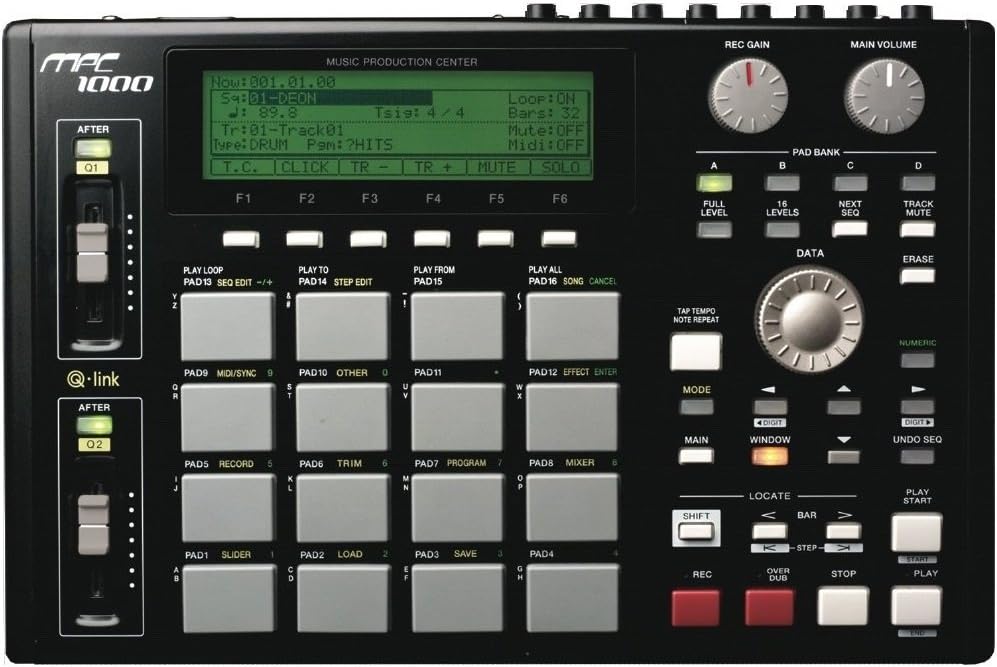
The Akai MPC1000 packs powerful music-making tools into a small, affordable machine. It features 32-voice stereo sampling, a 64-track sequencer, and 16 responsive pads for real-time playing and recording. With 16MB of built-in memory (expandable to 128MB) and the ability to save projects on a Compact Flash card, it’s easy to keep your sounds handy. Plus, you can connect it to a computer via USB to drag and drop your work quickly. Compact and rugged, the MPC1000 is perfect for producers on the go.
Elektron Model:Samples
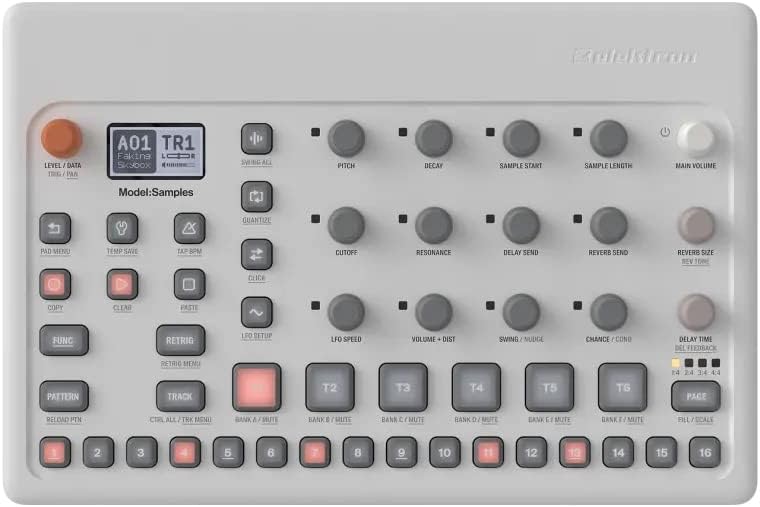
The Elektron Model:Samples is a small and powerful music machine that lets you make your own beats and songs using sounds called samples. It has 6 sound tracks, cool built-in effects like echo and reverb, and big pads you can tap to play music. You can use the sounds that come with it or add your own. It's light, easy to carry, and fun to use—perfect for anyone who wants to start making music, anywhere!
| Spec | Akai MPC1000 | Elektron Model:Samples |
|---|---|---|
| Manufacturer | Akai Professional | Elektron |
| Year Released | 2003 | 2019 |
| Polyphony | 64 | 6 |
| Sample Rate | 44.1kHz | 48kHz |
| Storage | CompactFlash | Internal storage |
| Pads | 16 velocity-sensitive pads | No pads, uses buttons |
| Sequencer | Yes | Yes |
| Effects | EQ, Compression, Reverb | distortion, filter effects, and a global delay and reverb send |
| I/O | MIDI In/Out, Audio In/Out | 1/4 inch headphone output, 2x balanced 1/4 inch main outputs, a 3.5mm TRS jack for MIDI in/out, and a USB mini 2.0 port |
| Screen | LCD | 128 x 64 pixel LCD screen |
| Software Integration | MPC Software | Elektron Transfer |
| Build | Standalone | Desktop |
| Price | $700 used | $349 |
| More about | Details | Details |
Buy the Elektron Model:Samples on Amazon.com
Buy Now On AmazonAkai MPC1000 vs. Elektron Model:Samples: A Detailed Comparison
Summary: In this blog post, we dive into a detailed comparison of two popular samplers: the Akai MPC1000 and the Elektron Model:Samples. We’ll explore their features, pros, and cons to help you decide which one suits your music production needs best.
Introduction
Welcome to the exciting world of music production! Today, we’re exploring two fantastic samplers that can help you create beats and songs like a pro. Meet the Akai MPC1000 and the Elektron Model:Samples. Both of these machines have their unique strengths and features, so let’s dive in and see which one might be your next music-making companion.
Features Comparison
Design and Build
When it comes to design, the Akai MPC1000 is a classic. Released in 2003, it’s a standalone machine, meaning you don’t need a computer to make music with it. Its robust build and 16 velocity-sensitive pads make it ideal for producers who love the tactile feel of tapping out beats. Plus, with its LCD screen, you can easily navigate through its features.
On the other hand, the Elektron Model:Samples, launched in 2019, is a compact and lightweight desktop unit. Instead of pads, it uses buttons, which might be a downside if you’re used to finger drumming. However, its sleek design and easy portability make it a great choice for those who want to make music on the go. Its 128 x 64 pixel LCD screen is perfect for seeing your project details clearly.
Sound and Sampling
The Akai MPC1000 offers a 64-polyphony count and a sample rate of 44.1kHz. This means you can layer multiple sounds without losing audio quality. It also has 16MB of built-in memory, which can be expanded to 128MB, and uses CompactFlash for storage, making it easy to save and load samples.
In contrast, the Elektron Model:Samples provides a 6-polyphony count with a higher sample rate of 48kHz. It may not handle as many simultaneous sounds as the MPC1000, but the higher sample rate offers better sound quality. It has internal storage, which simplifies the handling of your samples without the need for external cards.
Effects and Sequencing
Both samplers come equipped with sequencers, allowing you to arrange your music efficiently. The Akai MPC1000 includes effects like EQ, compression, and reverb, which are essential for shaping your sound. Its 64-track sequencer is powerful, perfect for complex compositions.
The Elektron Model:Samples, meanwhile, includes distortion, filter effects, and a global delay and reverb send. These effects add fun and creativity to your music, letting you experiment with different sounds. Its sequencer is intuitive and easy to use, making it ideal for beginners.
Connectivity and Integration
Connectivity is crucial for integrating your sampler into your music setup. The Akai MPC1000 offers MIDI In/Out and Audio In/Out, allowing you to connect with other musical equipment. It also integrates with MPC Software via USB, which lets you drag and drop your projects to your computer effortlessly.
The Elektron Model:Samples provides a 1/4 inch headphone output, 2x balanced 1/4 inch main outputs, a 3.5mm TRS jack for MIDI in/out, and a USB mini 2.0 port. Its Elektron Transfer software makes it easy to manage and transfer your samples to and from a computer.
Pros and Cons
Akai MPC1000
Pros:
- Standalone build means no computer needed
- 16 velocity-sensitive pads for authentic beat-making
- Expandable memory
- Robust and durable construction
- Integration with MPC Software
Cons:
- Older model may lack some modern features
- CompactFlash storage is outdated
- Heavier and less portable
Elektron Model:Samples
Pros:
- Compact and lightweight, easy to transport
- Simple and user-friendly interface
- High sample rate for better sound quality
- Built-in effects encourage creativity
- Affordable price point
Cons:
- Only 6-voice polyphony
- No traditional pads, uses buttons instead
- Limited internal storage compared to expandable options
Final Verdict
Both the Akai MPC1000 and the Elektron Model:Samples have their unique advantages. If you’re looking for a classic, reliable sampler with a hands-on approach, the MPC1000 is a fantastic choice. It’s perfect for seasoned producers who appreciate tactile control and a standalone machine.
On the other hand, if you want a more modern, easy-to-use sampler, the Model:Samples might be for you. Its portability and creative effects make it ideal for beginners or those who like to make music wherever they go.
In conclusion, your choice will largely depend on your specific needs and style of music production. Whether you prefer the classic feel of the MPC1000 or the fresh, innovative approach of the Model:Samples, both samplers can help you create amazing music. Happy producing!