Akai MPC1000 — VS — Elektron Octatrack MKI
Akai MPC1000
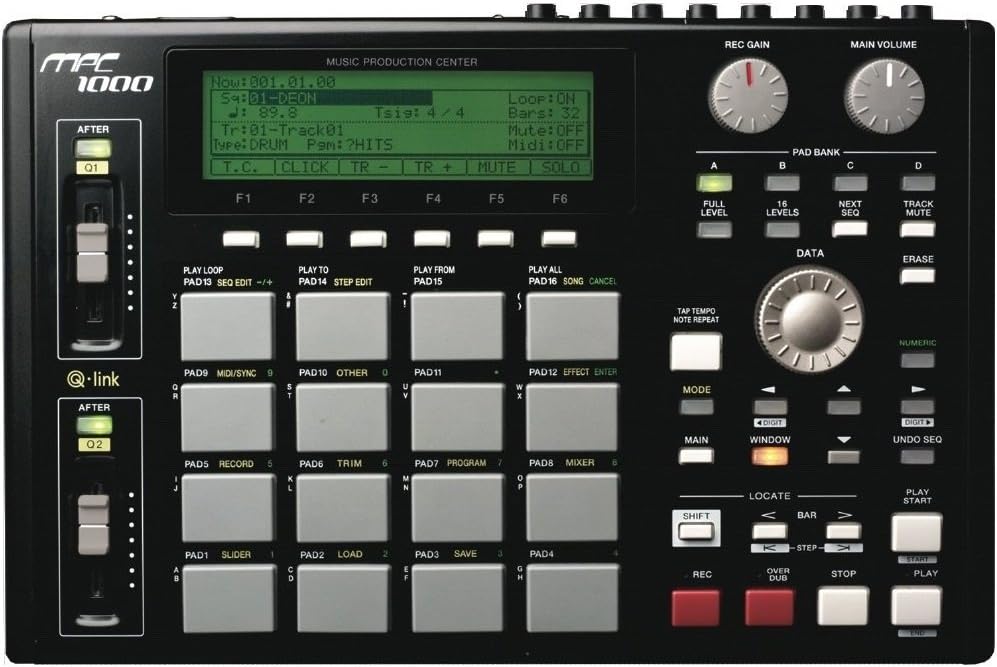
The Akai MPC1000 packs powerful music-making tools into a small, affordable machine. It features 32-voice stereo sampling, a 64-track sequencer, and 16 responsive pads for real-time playing and recording. With 16MB of built-in memory (expandable to 128MB) and the ability to save projects on a Compact Flash card, it’s easy to keep your sounds handy. Plus, you can connect it to a computer via USB to drag and drop your work quickly. Compact and rugged, the MPC1000 is perfect for producers on the go.
Elektron Octatrack MKI
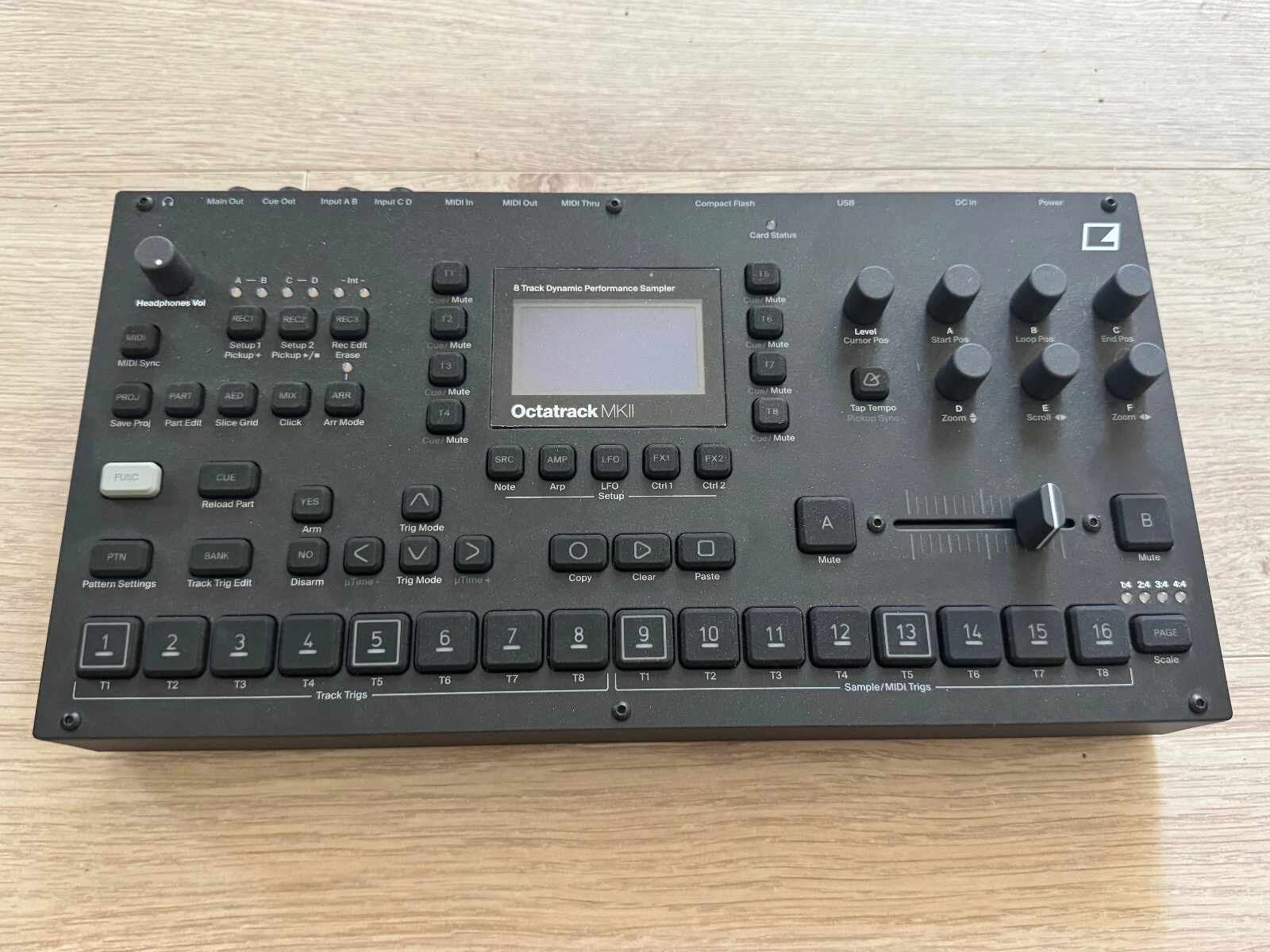
The Elektron Octatrack is a powerful music tool that lets you sample, loop, and remix sounds in real time. It has 8 tracks for playing and twisting audio, plus 8 more for controlling other gear with MIDI. You can load sounds from a memory card or record them live, then use built-in effects, a crossfader, and a step sequencer to create unique tracks. Whether you're performing live or making music in the studio, the Octatrack MK1 gives you deep control over your sound in a hands-on, creative way.
| Spec | Akai MPC1000 | Elektron Octatrack MKI |
|---|---|---|
| Manufacturer | Akai Professional | Elektron |
| Year Released | 2003 | 2010 |
| Polyphony | 64 | 8 |
| Sample Rate | 44.1kHz | 48kHz |
| Storage | CompactFlash | Compact Flash |
| Pads | 16 velocity-sensitive pads | No pads, uses buttons and encoders |
| Sequencer | Yes | Yes |
| Effects | EQ, Compression, Reverb | Filters, Delay, Reverb |
| I/O | MIDI In/Out, Audio In/Out | MIDI In/Out/Thru, Audio In/Out |
| Screen | LCD | OLED display |
| Software Integration | MPC Software | Elektron Transfer |
| Build | Standalone | Desktop |
| Price | $700 used | |
| More about | Details | Details |
A Quick Summary
Choosing between the Akai MPC1000 and the Elektron Octatrack MKI can be tough for music lovers. Both are powerful samplers with unique features. In this blog post, we’ll explore their differences to help you pick the right one for your needs.
Introduction
Welcome, music gear enthusiasts! Today, we’re diving into the world of samplers—specifically, the Akai MPC1000 and the Elektron Octatrack MKI. These two machines have captured the hearts of musicians worldwide, but which one is the right choice for you? Whether you’re making beats in your bedroom or performing live on stage, understanding their differences is key. Let’s explore what makes each of these samplers special.
Akai MPC1000
Overview
The Akai MPC1000, introduced in 2003, is a classic standalone sampler known for its powerful sequencing capabilities. It’s built to be a reliable workhorse for music production with its 16 velocity-sensitive pads and robust build.
Features
The MPC1000 is equipped with 64 voices of polyphony, allowing users to layer sounds and create complex musical compositions. It operates at a sample rate of 44.1kHz, which is standard for CD-quality audio. For storage, it uses CompactFlash cards, making it easy to save and transfer your projects.
The device features a traditional LCD screen, which may not be as fancy as modern displays, but it gets the job done. Its sequencer is a standout feature, enabling users to craft intricate beats with ease. The built-in effects include EQ, compression, and reverb, providing a solid range of options for sound manipulation.
The MPC1000 also offers MIDI In/Out and Audio In/Out ports, making it easy to integrate into any studio setup. One of its key strengths is the MPC Software, which provides seamless integration with your digital audio workstation (DAW), allowing for more flexible music production.
Pros and Cons
Pros:
- 64-voice polyphony allows for complex compositions.
- Classic 16 velocity-sensitive pads for expressive playing.
- Robust sequencer for intricate beat-making.
- Affordable price point at around $700 used.
Cons:
- Basic LCD screen may feel outdated.
- Limited effects compared to modern samplers.
- CompactFlash storage can be seen as outdated technology.
Elektron Octatrack MKI
Overview
Introduced in 2010, the Elektron Octatrack MKI is a powerful sampler and sequencer that has become a favorite for live performances. Known for its flexibility and unique workflow, it offers a different experience than traditional samplers.
Features
The Octatrack MKI offers 8 voices of polyphony, operating at a slightly higher sample rate of 48kHz. It also uses CompactFlash for storage, similar to the MPC1000. However, unlike the MPC1000, it does not have pads. Instead, it utilizes a combination of buttons and encoders for navigation and performance.
Its OLED display is clearer and more modern compared to the MPC1000’s LCD screen. The Octatrack’s sequencer is highly praised for its depth and flexibility, making it a favorite among electronic musicians. The built-in effects include filters, delay, and reverb, providing a broad palette for sound design.
The Octatrack features MIDI In/Out/Thru, along with Audio In/Out ports, allowing for extensive connectivity. Software integration is handled through Elektron Transfer, which aids in managing samples and projects.
Pros and Cons
Pros:
- Higher sample rate of 48kHz for better audio quality.
- Flexible and deep sequencer.
- Modern OLED display.
- Extensive connectivity options with MIDI In/Out/Thru.
Cons:
- Only 8 voices of polyphony, which may be limiting for some users.
- No pads, which might not appeal to traditionalists.
- Steeper learning curve due to its unique workflow.
Feature Comparison
Polyphony and Sound Quality
When it comes to polyphony, the Akai MPC1000 offers significantly more voices with 64 compared to the Octatrack’s 8. This means the MPC1000 can handle more simultaneous sounds, which is beneficial for those working on complex projects. However, the Octatrack compensates with a higher sample rate of 48kHz, offering slightly better sound quality.
User Interface and Workflow
The user interface is where these two samplers differ greatly. The MPC1000’s classic design with 16 pads is straightforward and familiar to many beat-makers. In contrast, the Octatrack’s button and encoder design, paired with its OLED screen, presents a modern but more challenging interface. The Octatrack’s workflow is unique and may require more time to master, but it offers greater flexibility once learned.
Sequencing and Effects
Both samplers have powerful sequencers, but they cater to different users. The MPC1000’s sequencer is intuitive and great for traditional beat-making. On the other hand, the Octatrack’s sequencer is deep and flexible, making it ideal for experimental electronic music.
When it comes to effects, the Octatrack offers a wider range with filters, delay, and reverb, compared to the MPC1000’s EQ, compression, and reverb. This makes the Octatrack more versatile for sound design.
Connectivity and Integration
In terms of connectivity, the Octatrack has a slight edge with the addition of MIDI Thru, offering more options for integrating with other gear. Both samplers use CompactFlash for storage, which might feel outdated but is reliable. The MPC1000’s software integration with MPC Software makes it easier to connect with a DAW, while the Octatrack’s Elektron Transfer is great for sample management.
Final Verdict
Both the Akai MPC1000 and the Elektron Octatrack MKI have their own strengths and weaknesses. The MPC1000 is perfect for those who value traditional beat-making with its classic pads and straightforward interface. It’s ideal for hip-hop producers and anyone looking for a reliable, standalone sampler.
Conversely, the Octatrack MKI is best suited for electronic musicians who thrive on flexibility and experimentation. Its powerful sequencer and modern interface make it a great choice for live performers and those who want to push the boundaries of music production.
In conclusion, your choice between the Akai MPC1000 and the Elektron Octatrack MKI depends on your specific needs and workflow preferences. Consider what matters most to you in a sampler, and you’ll find the perfect match for your musical journey.