Akai MPC1000 — VS — EMU SP-1200 (reissued in 2021)
Akai MPC1000
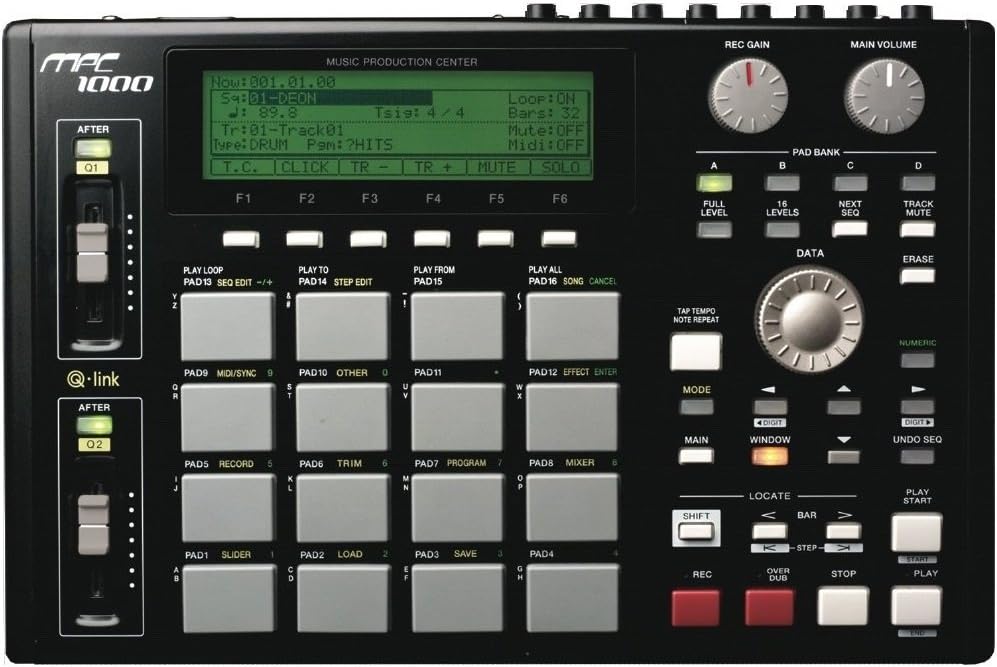
The Akai MPC1000 packs powerful music-making tools into a small, affordable machine. It features 32-voice stereo sampling, a 64-track sequencer, and 16 responsive pads for real-time playing and recording. With 16MB of built-in memory (expandable to 128MB) and the ability to save projects on a Compact Flash card, it’s easy to keep your sounds handy. Plus, you can connect it to a computer via USB to drag and drop your work quickly. Compact and rugged, the MPC1000 is perfect for producers on the go.
EMU SP-1200 (reissued in 2021)
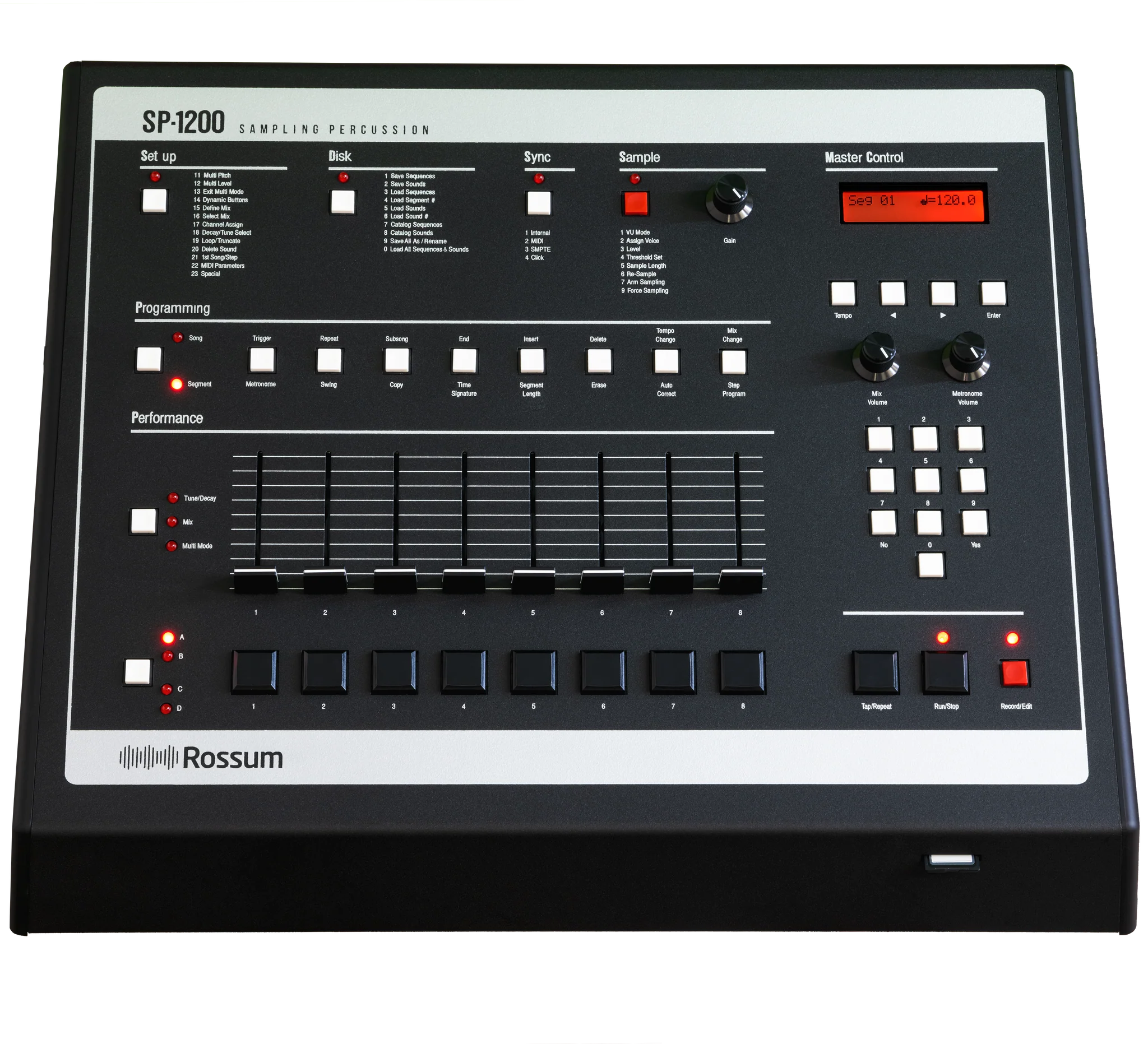
The EMU SP-1200 is a legendary sampler and drum machine, reissued in 2021 by Rossum Electro-Music, the company founded by its original designer, Dave Rossum. Revered for its gritty 12-bit sound and 26.04 kHz sampling rate, the reissue preserves the iconic character of the original while adding modern updates like an SD card slot, metal chassis, and doubled sampling time (20 seconds total). With new filter controls on channels 1 and 2 and local production in the U.S., the SP-1200 reissue is a faithful, rugged revival of one of hip-hop and electronic music’s most influential instruments.
| Spec | Akai MPC1000 | EMU SP-1200 (reissued in 2021) |
|---|---|---|
| Manufacturer | Akai Professional | EMU |
| Year Released | 2003 | 2021 |
| Polyphony | 64 | 12 |
| Sample Rate | 44.1kHz | 26.04kHz |
| Storage | CompactFlash | Internal memory |
| Pads | 16 velocity-sensitive pads | No pads |
| Sequencer | Yes | Yes |
| Effects | EQ, Compression, Reverb | Lo-fi effects |
| I/O | MIDI In/Out, Audio In/Out | Audio In/Out |
| Screen | LCD | No screen |
| Software Integration | MPC Software | No |
| Build | Standalone | Classic hardware reissue |
| Price | $700 used | $1500 |
| More about | Details | Details |
Akai MPC1000 vs EMU SP-1200 (Reissued in 2021): Which Sampler Should You Choose?
Welcome to our in-depth comparison of two iconic samplers: the Akai MPC1000 and the EMU SP-1200 (reissued in 2021). Whether you’re a beat-maker, a producer, or just a music gear enthusiast, finding the right sampler can elevate your music production game. Both of these devices have unique features and histories that make them stand out. But which one is right for you? Let’s dive in and find out.
Summary
The Akai MPC1000 and the EMU SP-1200 (reissued in 2021) are two samplers with distinct features and capabilities. The MPC1000 is a versatile, modern classic with powerful sequencing, while the SP-1200 offers a nostalgic lo-fi sound. Each serves different needs and preferences for music producers.
Introduction
Music gear enthusiasts often debate about the best sampler to use for music production. Samplers help producers create unique sounds by capturing and manipulating audio snippets. Today, we’re comparing the Akai MPC1000 and the EMU SP-1200 (reissued in 2021). Both are renowned in the music world but cater to different audiences. Let’s see what makes each of these samplers special.
Akai MPC1000: A Modern Classic
Features
The Akai MPC1000, released in 2003, quickly became a favorite among producers for its robust features and affordability. Its standout feature is its 16 velocity-sensitive pads, which allow for expressive and dynamic beat-making. The MPC1000 offers a polyphony of 64 voices, so you can layer sounds without hitting limitations.
With a sample rate of 44.1kHz, the MPC1000 provides high-quality audio sampling. It’s equipped with a built-in sequencer, making it easy to arrange your beats and melodies. The effects section includes EQ, compression, and reverb, which are essential for shaping your sound.
The MPC1000 uses CompactFlash for storage, which is convenient for saving and transferring your projects. Connectivity is a breeze with MIDI In/Out and Audio In/Out ports, allowing seamless integration into any studio setup. The LCD screen provides a clear interface for navigating the MPC’s features, and the device can integrate with MPC Software for enhanced capabilities.
Pros and Cons
Pros:
- Affordability: At around $700 used, it’s a cost-effective choice for budding producers.
- Versatility: With its multiple effects and sequencing capabilities, it’s suitable for various music genres.
- Portability: Its standalone build makes it easy to carry and use anywhere.
Cons:
- Learning Curve: Beginners might find the interface complex at first.
- Limited Storage: CompactFlash is not as modern as other storage options available today.
EMU SP-1200 (Reissued in 2021): A Nostalgic Favorite
Features
The EMU SP-1200, originally released in the late 80s and reissued in 2021, is a legendary sampler known for its gritty, lo-fi sound. Unlike the MPC1000, the SP-1200 does not have pads, which might be a drawback for some. However, its charm lies in its classic hardware reissue, capturing the vintage vibe many producers love.
With a polyphony of 12, it’s more limited than the MPC1000, but that’s part of its appeal for those looking for simplicity. The sample rate of 26.04kHz gives it its iconic lo-fi sound, beloved in hip-hop and electronic music. The SP-1200’s internal memory is a nod to its vintage roots, lacking the modern flexibility of external storage options.
The reissue includes some modern updates while still lacking a screen, focusing on the tactile and auditory experience. Its lo-fi effects are unique, adding character to any production. The device doesn’t offer software integration, keeping it pure and focused on hardware performance.
Pros and Cons
Pros:
- Iconic Sound: Its lo-fi quality is unmatched for those seeking a vintage audio aesthetic.
- Build Quality: The classic hardware reissue is sturdy and reliable.
- Simplicity: Its straightforward design is perfect for those who prefer simplicity over feature bloat.
Cons:
- Price: It’s priced at $1500, which is steep compared to the MPC1000.
- Limited Features: Lack of pads and a screen might be a dealbreaker for some.
- No Software Integration: It doesn’t integrate with modern software, limiting its versatility.
Feature Comparisons
Sampling Quality and Polyphony
When it comes to sampling quality, the Akai MPC1000 offers a higher sample rate of 44.1kHz, providing clean and crisp sound reproduction. Its 64-voice polyphony allows for complex arrangements without running out of voices. In contrast, the EMU SP-1200’s 26.04kHz sample rate gives it a distinct lo-fi sound. Its 12-voice polyphony is more limited, but ideal for simpler, rawer production styles.
Storage and Connectivity
The MPC1000’s use of CompactFlash storage is more flexible than the SP-1200’s internal memory. This makes it easier to back up and transfer your projects. In terms of connectivity, the MPC1000 excels with its MIDI and Audio In/Out options, making it a versatile studio tool. The SP-1200, however, focuses on audio connections, staying true to its classic design.
User Experience and Workflow
The MPC1000’s LCD screen and software integration make it more user-friendly for those comfortable with digital interfaces. Its sequencer and effects are intuitive for creating complex music arrangements. On the other hand, the SP-1200 offers a minimalist approach, appealing to those who prefer hands-on, tactile music-making experiences without the distraction of screens.
Summary
Both the Akai MPC1000 and the EMU SP-1200 (reissued in 2021) are excellent samplers, each with its own strengths. The MPC1000 is a versatile, modern machine with high-quality sampling and comprehensive connectivity. Meanwhile, the SP-1200 offers a nostalgic lo-fi sound with a simple, hardware-focused design.
Final Verdict: Which Sampler is Best for You?
Choosing between the Akai MPC1000 and the EMU SP-1200 (reissued in 2021) depends on your needs and preferences. If you’re looking for a versatile, all-in-one solution with modern conveniences, the MPC1000 is your best bet. It’s ideal for producers who want a powerful yet affordable sampler.
On the other hand, if you crave the iconic lo-fi sound and a more hands-on, vintage experience, the SP-1200 is the way to go. It’s perfect for those who appreciate simplicity and the classic sound of the past.
Whichever you choose, both samplers offer unique ways to explore and express your musical creativity.