Akai MPC1000 — VS — Korg Volca Sample
Akai MPC1000
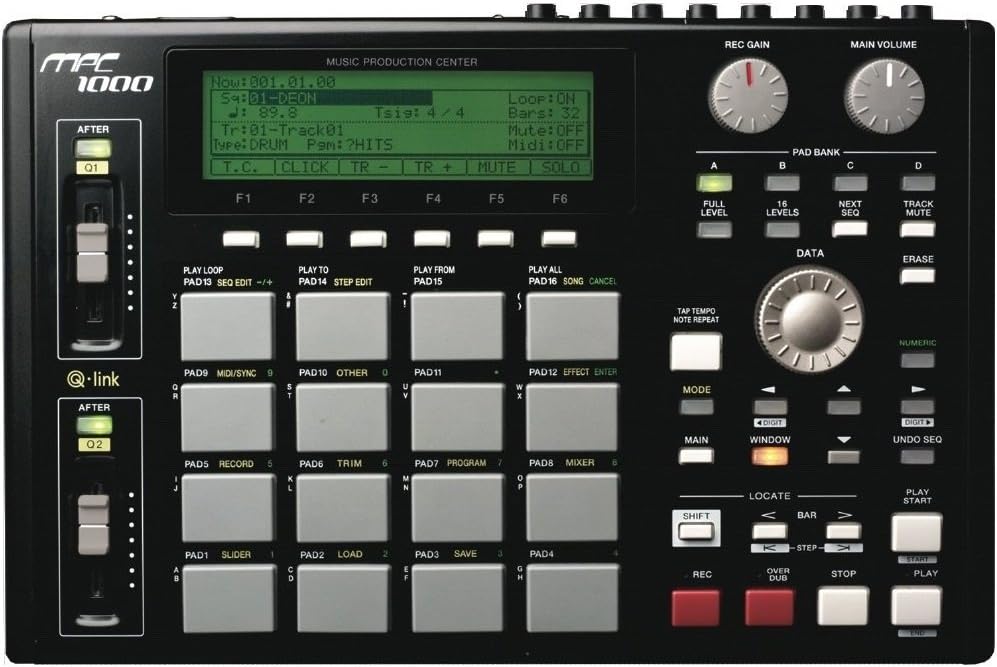
The Akai MPC1000 packs powerful music-making tools into a small, affordable machine. It features 32-voice stereo sampling, a 64-track sequencer, and 16 responsive pads for real-time playing and recording. With 16MB of built-in memory (expandable to 128MB) and the ability to save projects on a Compact Flash card, it’s easy to keep your sounds handy. Plus, you can connect it to a computer via USB to drag and drop your work quickly. Compact and rugged, the MPC1000 is perfect for producers on the go.
Korg Volca Sample
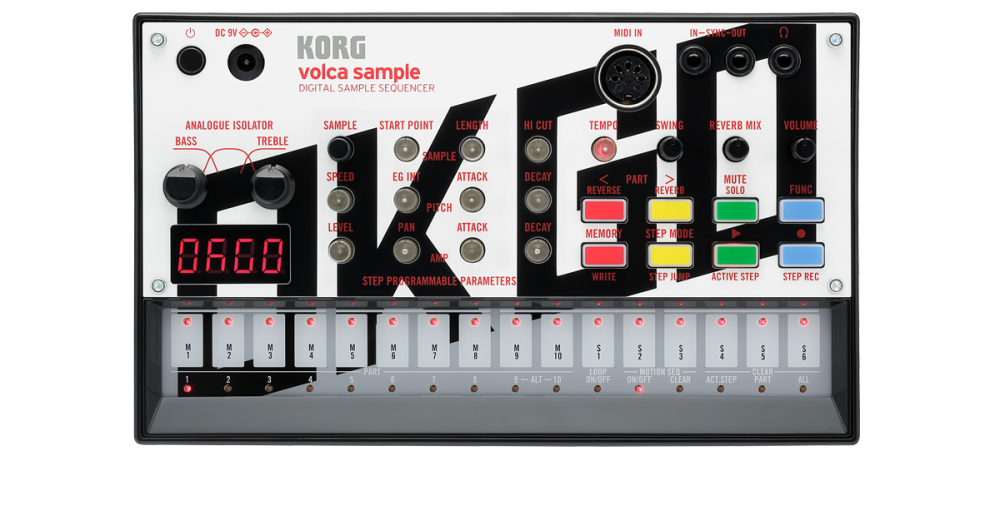
The original Korg Volca Sample is a small, hands-on drum machine that lets you play, tweak, and sequence up to 100 custom sounds. You can build beats, add motion effects, reverse samples, and create grooves with its fun and easy sequencer. It includes features like a powerful analog isolator, reverb, and song mode for more creative control. You could only load new samples using a special iOS app. This model has now been replaced by the improved <a href='/samplers/korg-volca-sample-2'>Volca Sample 2</a>, which adds USB, more memory, and a better workflow.
| Spec | Akai MPC1000 | Korg Volca Sample |
|---|---|---|
| Manufacturer | Akai Professional | Korg |
| Year Released | 2003 | 2014 |
| Polyphony | 64 | 16 |
| Sample Rate | 44.1kHz | 44.1kHz |
| Storage | CompactFlash | Internal memory |
| Pads | 16 velocity-sensitive pads | No pads, uses buttons |
| Sequencer | Yes | Yes |
| Effects | EQ, Compression, Reverb | Reverb, Delay |
| I/O | MIDI In/Out, Audio In/Out | MIDI In, Audio Out |
| Screen | LCD | LED indicators |
| Software Integration | MPC Software | No |
| Build | Standalone | Portable |
| Price | $700 used | $149 |
| More about | Details | Details |
Korg Volca Sample vs. Akai MPC1000: A Sampler Showdown
Looking for the perfect sampler for your music setup? Check out our comparison of two popular options: the Korg Volca Sample and the Akai MPC1000. Each has its own unique features that make it special!
Introduction
Hey there, music lovers! If you’re excited about making beats and playing around with samples, you’ve probably heard of the Korg Volca Sample and the Akai MPC1000. These two samplers are super popular among musicians, but they’re quite different from each other. If you’re wondering which one is right for you, keep reading! We’re going to compare these two fantastic devices in detail.
Features Comparison
Build and Design
Let’s start with how these samplers look and feel. The Korg Volca Sample is small and light, making it easy to carry around. It’s portable, so you can take it with you wherever you go. However, it doesn’t have pads; instead, it uses buttons for playing samples. This makes it different from many other samplers you might have seen.
On the other hand, the Akai MPC1000 is a bit bigger and heavier. It’s a standalone machine, which means it’s built to be a complete solution for making music. It has 16 velocity-sensitive pads. These pads are great for playing drums or triggering samples with your fingers, and they respond to how hard you hit them, which can make your music feel more dynamic and expressive.
Polyphony and Sound Quality
When it comes to polyphony, which is the number of sounds you can play at the same time, the Akai MPC1000 takes the lead with 64-voice polyphony. This means you can layer many sounds together to create rich and full music.
The Korg Volca Sample offers 16-voice polyphony. While this is less than the MPC1000, it’s still quite good for many types of music, especially if you’re performing live or creating simpler tracks.
Both samplers use a sample rate of 44.1kHz, which is the standard for CD-quality audio. This means your sounds will be crisp and clear on both devices.
Storage and Memory
Storage is another big difference between these samplers. The Korg Volca Sample uses internal memory. This means you don’t need any extra cards or storage devices to save your sounds, but it also means you’re limited to the space that’s built into the device.
The Akai MPC1000, on the other hand, uses CompactFlash cards for storage. This means you can expand your storage capacity by using bigger cards or swapping them out as needed. It’s a great feature if you have a lot of samples or want to keep different projects on separate cards.
Effects and Sequencer
Both samplers come with built-in effects. The Korg Volca Sample includes reverb and delay, which are perfect for adding space and depth to your sounds. These effects can make your music feel more alive, especially during live performances.
The Akai MPC1000 offers a wider range of effects, including EQ, compression, and reverb. These effects give you more control over your sound, allowing you to shape it in more detailed ways.
Both devices have sequencers, which are tools that help you arrange your sounds in a specific order to create a song. This is essential for making music!
Inputs and Outputs
The Korg Volca Sample has MIDI In and Audio Out. This means you can connect it to other MIDI devices or play its sounds through speakers or headphones.
The Akai MPC1000 has more options with MIDI In/Out and Audio In/Out. This gives you more flexibility when connecting to other gear, whether you’re recording sounds into the sampler or sending them out to other devices.
Screen and Software Integration
The Korg Volca Sample uses LED indicators to show what’s happening. These lights are simple and effective for quick feedback but don’t provide much detailed information.
The Akai MPC1000 has an LCD screen, which shows more information and makes it easier to see what you’re doing. This is especially helpful when navigating through menus or editing samples.
Additionally, the MPC1000 integrates with MPC Software, which can be a big plus if you like working on your computer.
Pros and Cons
Korg Volca Sample
Pros:
- Portable and easy to carry
- Built-in effects like reverb and delay
- Affordable price at $180
- Simple to use for live performances
Cons:
- Limited storage capacity
- No pads, only buttons
- No software integration
Akai MPC1000
Pros:
- 16 velocity-sensitive pads for dynamic playing
- 64-voice polyphony for rich sounds
- Expandable storage with CompactFlash cards
- Wide range of effects and software integration
Cons:
- Higher price point at $700 used
- Bulkier and less portable
- More complex, which might be overwhelming for beginners
Final Verdict
So, which sampler is the right fit for you? Well, it depends on what you need!
If you’re just starting out or want something portable for live shows, the Korg Volca Sample is a great choice. It’s simple, affordable, and perfect for quick music-making sessions.
But if you’re looking for a more powerful tool with lots of features, the Akai MPC1000 might be the way to go. It’s excellent for creating complex tracks and offers more flexibility with storage and effects.
In the end, both samplers have something special to offer. Whether you choose the Volca Sample or the MPC1000, you’ll be well-equipped to make some amazing music. Happy sampling!