Akai MPC1000 — VS — Native Instruments Maschine Mikro Mk3
Akai MPC1000
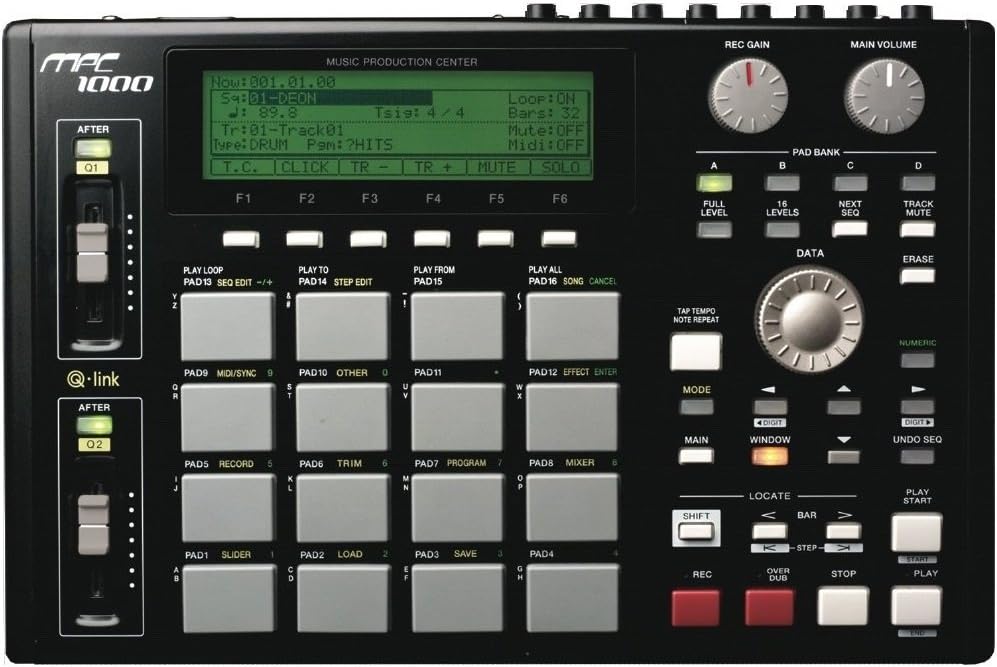
The Akai MPC1000 packs powerful music-making tools into a small, affordable machine. It features 32-voice stereo sampling, a 64-track sequencer, and 16 responsive pads for real-time playing and recording. With 16MB of built-in memory (expandable to 128MB) and the ability to save projects on a Compact Flash card, it’s easy to keep your sounds handy. Plus, you can connect it to a computer via USB to drag and drop your work quickly. Compact and rugged, the MPC1000 is perfect for producers on the go.
Native Instruments Maschine Mikro Mk3
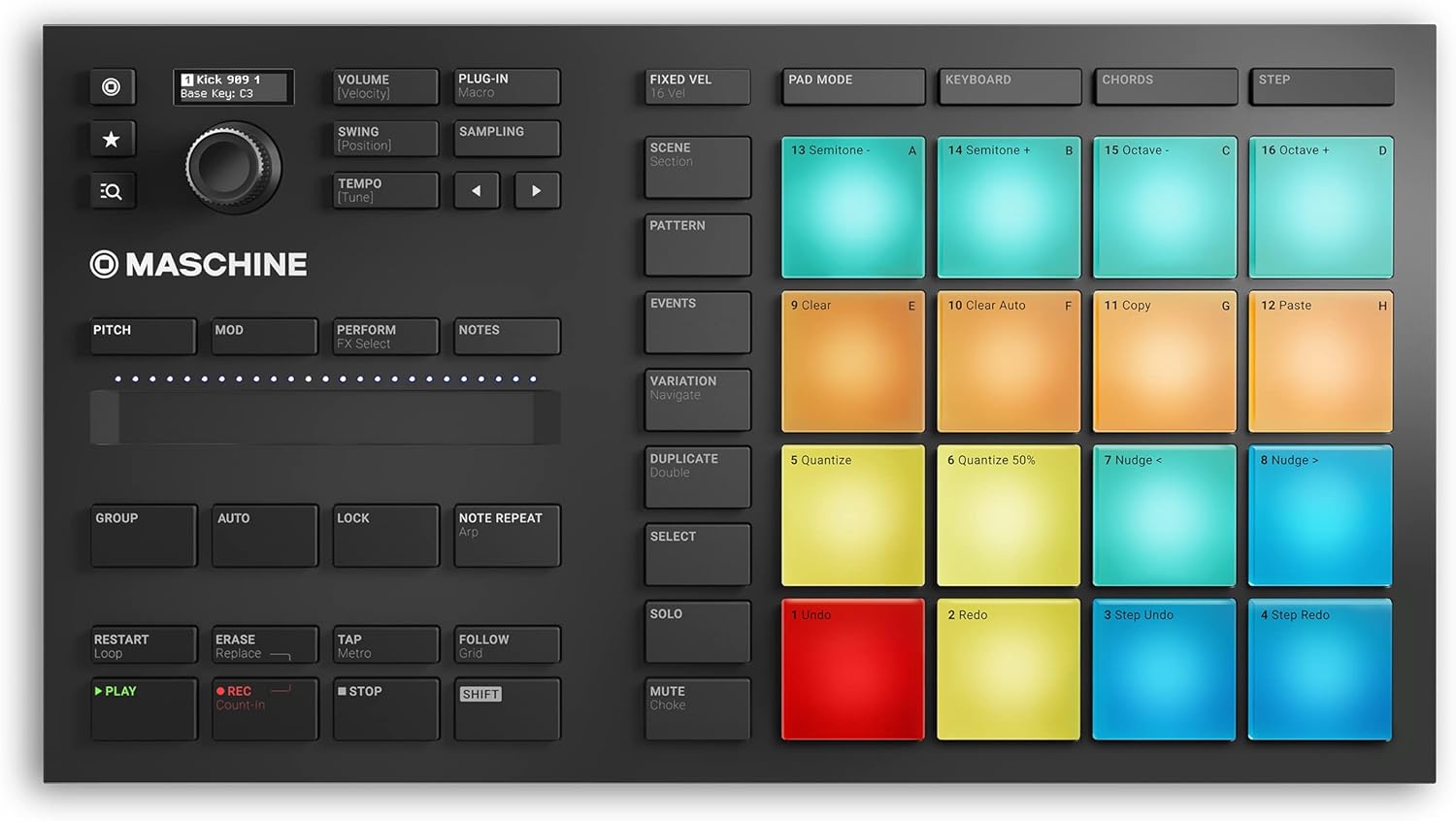
MASCHINE MIKRO Mk3 is a small, easy-to-use music tool that helps you make beats and songs with your computer. It works great with your favorite music software and gives you hands-on control with its 16 touch pads.</p><p class='text-gray-700 mb-4'>You can tap out drum beats, play melodies, build chords, or use the classic step-by-step method to create music. It comes with a bunch of built-in sounds—like drums, loops, and instruments—so you can start making tracks right away. MASCHINE MIKRO is powered by USB and works with all the major music programs like Ableton Live, Logic Pro, and FL Studio. It's a fun and powerful way to bring your music ideas to life.
| Spec | Akai MPC1000 | Native Instruments Maschine Mikro Mk3 |
|---|---|---|
| Manufacturer | Akai Professional | Native Instruments |
| Year Released | 2003 | 2017 |
| Polyphony | 64 | 128 |
| Sample Rate | 44.1kHz | 44.1kHz |
| Storage | CompactFlash | Internal storage |
| Pads | 16 velocity-sensitive pads | 16 large velocity-sensitive pads |
| Sequencer | Yes | Yes |
| Effects | EQ, Compression, Reverb | EQ, Reverb, Delay |
| I/O | MIDI In/Out, Audio In/Out | MIDI In/Out, USB, Audio Out |
| Screen | LCD | Full color display |
| Software Integration | MPC Software | Maschine Software |
| Build | Standalone | Controller |
| Price | $700 used | $269 |
| More about | Details | Details |
Buy the Native Instruments Maschine Mikro Mk3 on Amazon.com
Buy Now On AmazonSampler Showdown: Akai MPC1000 vs. Native Instruments Maschine Mikro Mk3
In the world of music production, two samplers stand out for their unique capabilities and charm: the Akai MPC1000 and the Native Instruments Maschine Mikro Mk3. Whether you’re a budding producer or a seasoned beat-maker, choosing the right gear is crucial. Let’s dive into what makes each of these devices special, so you can decide which one is best for your musical journey.
Introduction: A Tale of Two Samplers
Music production has come a long way since the days of reel-to-reel tape. Today, samplers are essential tools for creating modern music. Two popular options are the Akai MPC1000 and the Native Instruments Maschine Mikro Mk3. The Akai MPC1000 is cherished for its standalone capabilities and classic feel, while the Maschine Mikro Mk3 is celebrated for its seamless software integration and modern design. Let’s explore their features and find out which one might be your perfect match.
Feature Comparisons
Polyphony and Sample Rate
The Akai MPC1000, released in 2003, offers 64-voice polyphony, which means it can handle 64 notes at once. This is pretty good for most music-making needs. On the other hand, the Maschine Mikro Mk3, from 2017, boasts a whopping 128-voice polyphony. This means it can handle even more complex compositions with ease. Both samplers operate at a sample rate of 44.1kHz, which is standard for high-quality audio.
Storage and Connectivity
Storage is another area where these samplers differ. The MPC1000 uses CompactFlash cards, a bit old-school but reliable. You can expand its memory from 16MB to 128MB, allowing you to store more sounds and samples. Meanwhile, the Maschine Mikro Mk3 has internal storage, making it more convenient and modern. It connects to your computer via USB, offering seamless integration with popular music software like Ableton Live and Logic Pro.
Pads and Sequencers
Both samplers feature 16 velocity-sensitive pads, perfect for tapping out beats and playing melodies. The MPC1000’s pads are known for their responsiveness, making it a favorite for live performances. The Maschine Mikro Mk3’s pads are slightly larger, offering a more tactile experience. Both come with built-in sequencers, allowing you to layer sounds and create complex musical patterns.
Effects and Software Integration
Effects are crucial for shaping your sound. The MPC1000 includes EQ, compression, and reverb, giving you essential tools for sound design. The Maschine Mikro Mk3 adds delay to its EQ and reverb offerings, providing more creative options. When it comes to software integration, the MPC1000 works with MPC Software, while the Maschine Mikro Mk3 shines with its Maschine Software, known for its user-friendly interface and extensive sound library.
Build and Display
The MPC1000 is a standalone device, meaning it doesn’t require a computer to function. It’s compact and rugged, perfect for producers on the go. Its LCD screen provides essential information but lacks the color and clarity of modern displays. The Maschine Mikro Mk3, a controller, requires a computer to operate. It features a full-color display, making navigation and editing a breeze.
Pros and Cons
Akai MPC1000
Pros:
- Standalone operation
- Rugged and portable
- Responsive pads
- Expandable storage
Cons:
- Limited internal memory
- Older display technology
- Requires CompactFlash cards
Native Instruments Maschine Mikro Mk3
Pros:
- High polyphony
- Excellent software integration
- Full-color display
- Modern design
Cons:
- Requires a computer
- No standalone capability
- Limited effects compared to some other options
Final Verdict: Who Should Choose What?
The Akai MPC1000 is ideal for producers who value standalone functionality and portability. It’s perfect for live performances and those who prefer a more hands-on approach without always relying on a computer.
The Native Instruments Maschine Mikro Mk3 is best for those who prioritize software integration and modern design. It’s an excellent choice for producers who work primarily in a studio setting and want access to a vast library of sounds and effects.
In conclusion, both the Akai MPC1000 and the Native Instruments Maschine Mikro Mk3 offer unique features that cater to different types of producers. Whether you prefer the classic feel of the MPC1000 or the modern capabilities of the Maschine Mikro Mk3, both are powerful tools that can help you bring your musical ideas to life.