Akai MPC1000 — VS — Native Instruments Maschine Mk3
Akai MPC1000
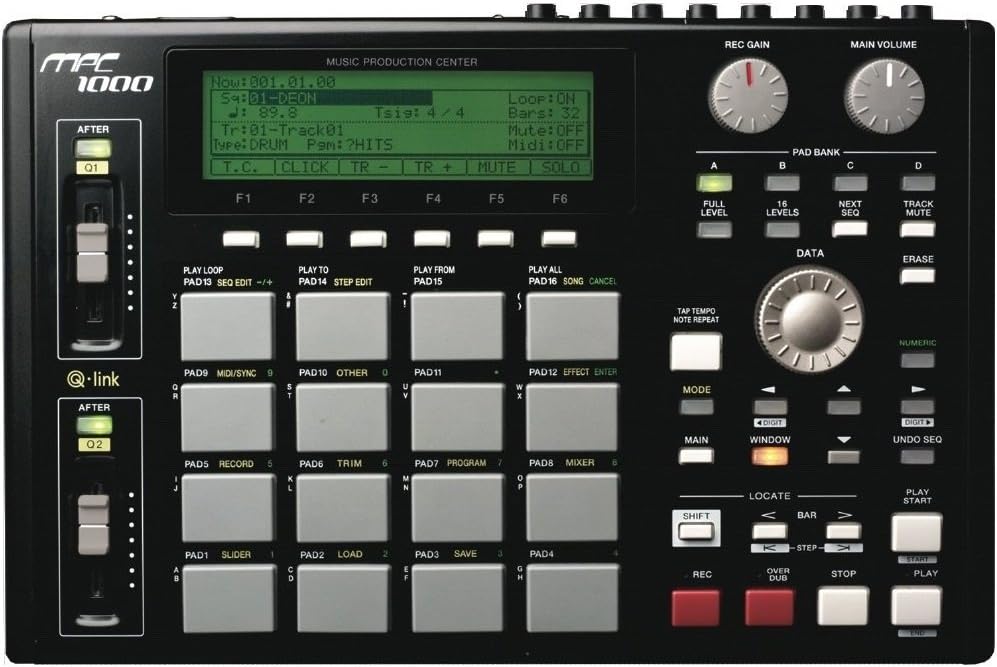
The Akai MPC1000 packs powerful music-making tools into a small, affordable machine. It features 32-voice stereo sampling, a 64-track sequencer, and 16 responsive pads for real-time playing and recording. With 16MB of built-in memory (expandable to 128MB) and the ability to save projects on a Compact Flash card, it’s easy to keep your sounds handy. Plus, you can connect it to a computer via USB to drag and drop your work quickly. Compact and rugged, the MPC1000 is perfect for producers on the go.
Native Instruments Maschine Mk3
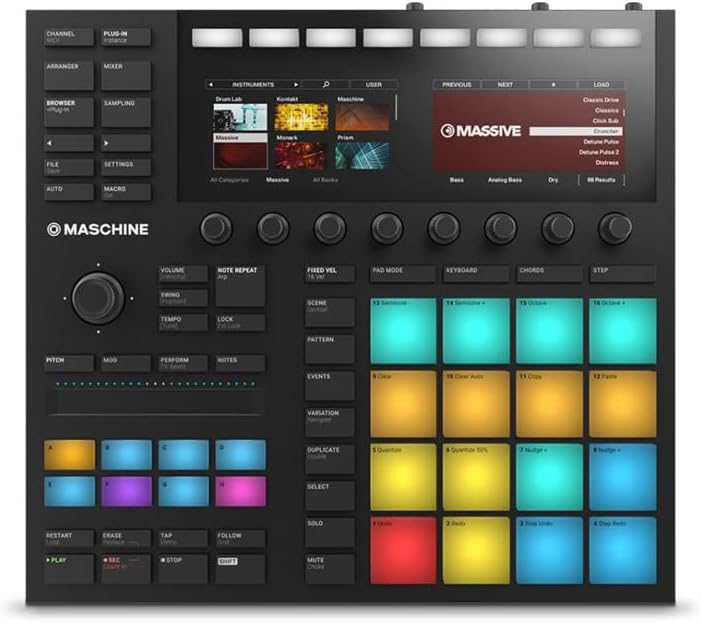
The Native Instruments Maschine Mk3 is an all-in-one music-making system that helps you create songs, beats, and live performances. It combines powerful software with easy-to-use hardware, including a sampler, mixer, effects, and a built-in sound library with 25 GB of professional sounds. You can connect instruments, a microphone, headphones, and even other music gear with the built-in audio interface. The touch-sensitive knobs and Smart Strip let you shape your sounds in creative ways. It works with all the major music programs, so you can plug it in and start making music right away.
| Spec | Akai MPC1000 | Native Instruments Maschine Mk3 |
|---|---|---|
| Manufacturer | Akai Professional | Native Instruments |
| Year Released | 2003 | 2017 |
| Polyphony | 64 | 128 |
| Sample Rate | 44.1kHz | 44.1kHz |
| Storage | CompactFlash | Internal storage |
| Pads | 16 velocity-sensitive pads | 16 large velocity-sensitive pads |
| Sequencer | Yes | Yes |
| Effects | EQ, Compression, Reverb | EQ, Reverb, Delay |
| I/O | MIDI In/Out, Audio In/Out | MIDI In/Out, USB, Audio Out |
| Screen | LCD | Full color display |
| Software Integration | MPC Software | Maschine Software |
| Build | Standalone | Controller |
| Price | $700 used | $700 |
| More about | Details | Details |
Buy the Native Instruments Maschine Mk3 on Amazon.com
Buy Now On AmazonA Tale of Two Samplers: Native Instruments Maschine Mk3 vs. Akai MPC1000
Summary: Today, we explore two legendary samplers, the Native Instruments Maschine Mk3 and the Akai MPC1000. Both offer unique features that make them stand out in the world of music production.
Introduction
Welcome, music gear enthusiasts! If you’re here, you’re probably on the hunt for the perfect music sampler. Whether you’re just starting your beat-making journey or you’re a seasoned pro, choosing the right tool is crucial. Today, we’re delving into two popular samplers: the Native Instruments Maschine Mk3 and the Akai MPC1000. Both are loved by musicians around the globe, but which one is the right fit for you? Let’s find out!
Native Instruments Maschine Mk3: Modern Powerhouse
Features Overview
The Native Instruments Maschine Mk3 is a modern marvel in the world of music production. Released in 2017, it comes with a powerful suite of features that make it a favorite among contemporary producers. It’s a controller with integrated software, which makes it an excellent tool for those who love working with computers. With a whopping polyphony of 128, it can handle complex compositions with ease.
The Maschine Mk3 boasts 16 large velocity-sensitive pads that light up in different colors, offering a tactile and visually engaging experience. It also features a full-color display that makes navigating through settings and samples a breeze. The internal storage allows you to keep your samples handy without worrying about external devices. Plus, it has a variety of effects, including EQ, reverb, and delay, to help you shape your sound.
Pros and Cons
Pros
- High Polyphony: With 128 voices, it’s great for complex arrangements.
- Built-in Software Integration: Seamlessly integrates with Maschine Software for a smooth workflow.
- Modern Display: The full-color screen is user-friendly and visually appealing.
- Effects Variety: Offers powerful tools like EQ, reverb, and delay.
- USB Connectivity: Easy to connect to other devices for expanded functionality.
Cons
- Price: At $700, it’s a significant investment.
- Controller Build: Requires a computer for full functionality, which might not be ideal for all users.
Akai MPC1000: The Classic Standalone
Features Overview
The Akai MPC1000 is a classic choice for music producers who value a standalone device. Released in 2003, it has become a staple in the music production community. It offers polyphony of 64, which is ample for many musical styles. Unlike the Maschine Mk3, it doesn’t require a computer to function, making it perfect for on-the-go music creation.
The MPC1000 features 16 velocity-sensitive pads, which are slightly smaller than those on the Maschine Mk3 but are still highly responsive. Its LCD screen provides all the necessary information, though it’s not as vibrant as the Mk3’s display. It uses CompactFlash for storage, giving it a slightly old-school feel that many users find charming. The range of effects includes EQ, compression, and reverb, essential for crafting polished tracks.
Pros and Cons
Pros
- Standalone Operation: Doesn’t need a computer, perfect for live performances and mobile production.
- Classic Sound Quality: Many producers love its vintage vibe and robust sound.
- Affordability: Available on the used market for around $700, offering great value for a classic machine.
- Solid Build: Known for its durability and reliability in live settings.
Cons
- Lower Polyphony: 64 voices may be limiting for some complex compositions.
- Outdated Storage: CompactFlash is less convenient than modern storage solutions.
- Screen Limitations: The LCD screen is functional but lacks the clarity of newer displays.
Feature Comparison
Polyphony and Sound
Polyphony is the number of individual notes a sampler can play at once. The Maschine Mk3’s 128-note polyphony is perfect for layered compositions and complex arrangements. The MPC1000, with 64-note polyphony, might feel limited for some, but it still offers enough voices for many genres.
Storage Options
Maschine Mk3 provides internal storage, making it easy to access your samples without extra gear. In contrast, the MPC1000 relies on CompactFlash cards, which can be a bit cumbersome by today’s standards. However, some producers love the tactile experience of swapping cards.
Effects and Sound Shaping
Both devices offer a range of effects. The Maschine Mk3 includes EQ, reverb, and delay, ideal for creating modern tracks. The MPC1000 offers EQ, compression, and reverb, essential tools for achieving that classic sound. Each has its unique flavor, appealing to different musical tastes.
Connectivity and Integration
The Maschine Mk3 shines with its USB connectivity and seamless software integration. It’s designed to work with Maschine Software, making it a favorite for those who prefer a digital workflow. The MPC1000, being standalone, doesn’t require any software, which can be a plus for those who want to focus solely on the hardware.
Conclusion
Both the Native Instruments Maschine Mk3 and the Akai MPC1000 have their strengths and cater to different audiences. The Maschine Mk3 is ideal for modern producers who value high polyphony, vibrant displays, and software integration. On the other hand, the MPC1000 is perfect for those who appreciate a classic, standalone device with a vintage feel.
Final Verdict
If you’re a tech-savvy producer who enjoys working with computers and wants a versatile, modern tool, the Native Instruments Maschine Mk3 might be your best bet. However, if you love the idea of a standalone sampler with a classic vibe, the Akai MPC1000 could be the perfect match for your music production needs.
Happy music-making!