Akai MPC1000 — VS — Native Instruments Maschine+
Akai MPC1000
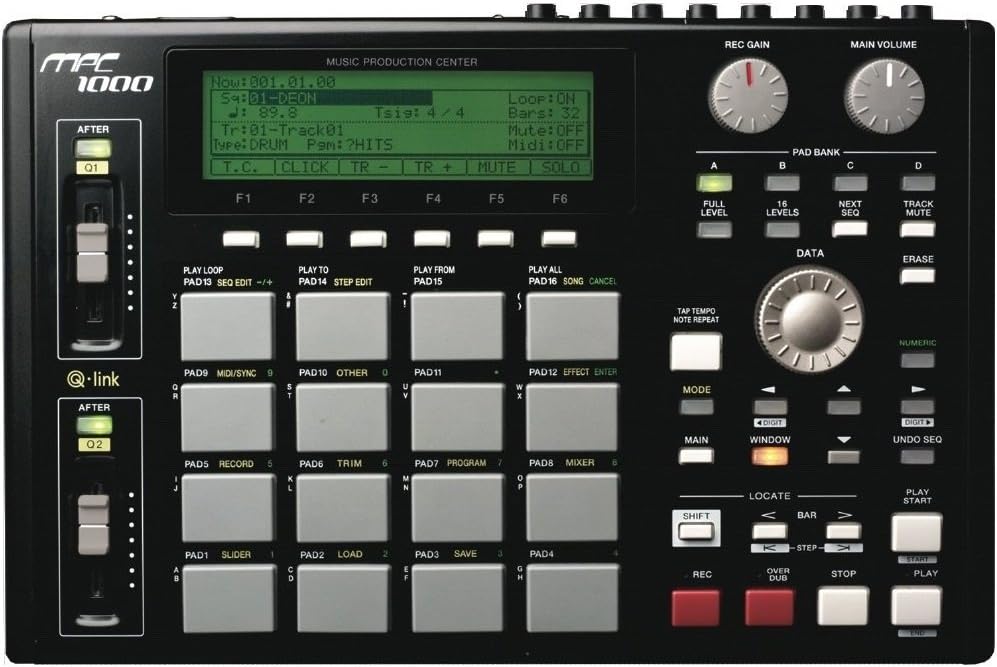
The Akai MPC1000 packs powerful music-making tools into a small, affordable machine. It features 32-voice stereo sampling, a 64-track sequencer, and 16 responsive pads for real-time playing and recording. With 16MB of built-in memory (expandable to 128MB) and the ability to save projects on a Compact Flash card, it’s easy to keep your sounds handy. Plus, you can connect it to a computer via USB to drag and drop your work quickly. Compact and rugged, the MPC1000 is perfect for producers on the go.
Native Instruments Maschine+
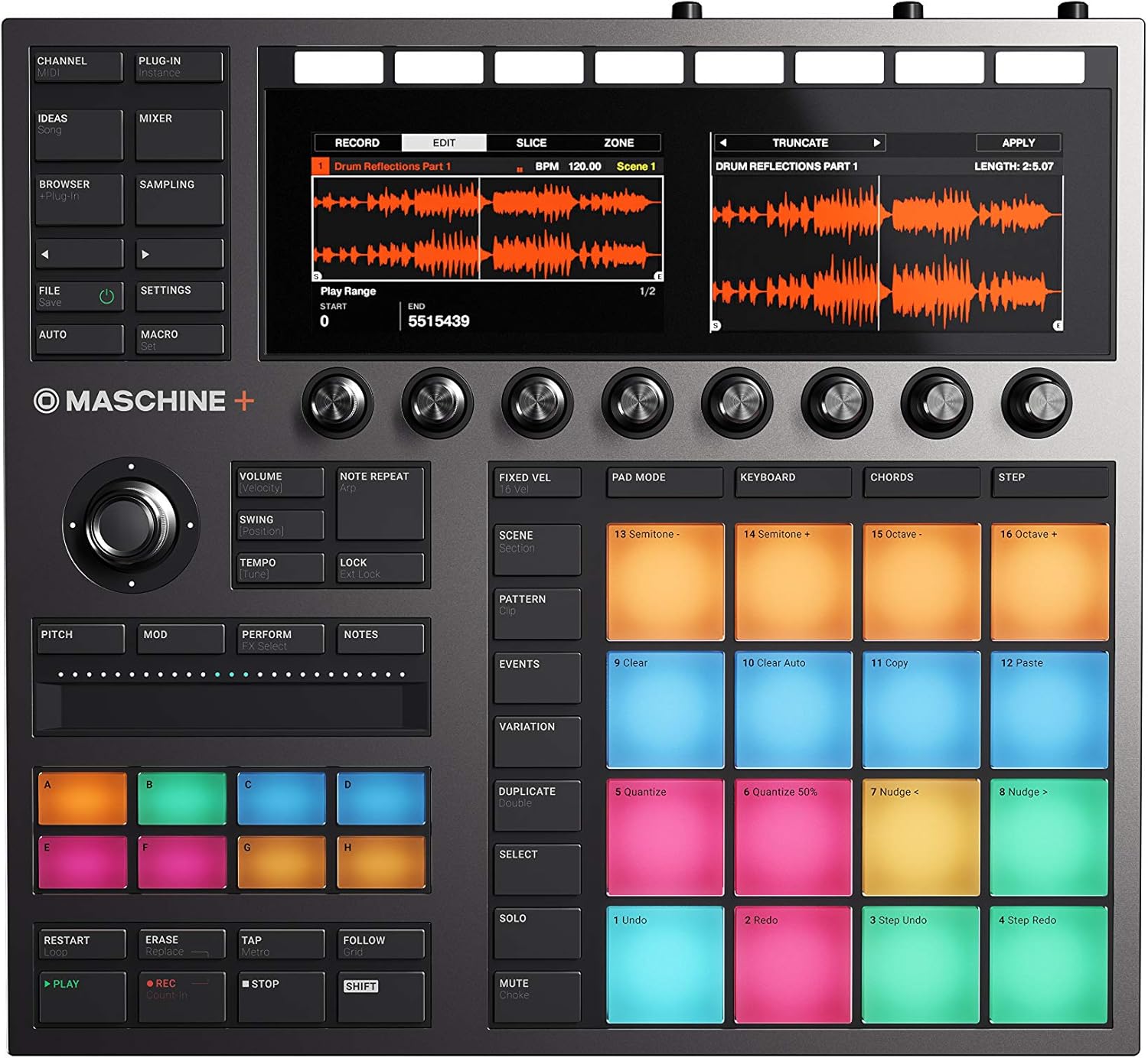
MASCHINE+ is a powerful music-making tool that lets you create beats, melodies, and full songs—no computer needed. It's a sampler, drum machine, and synth all in one, packed with built-in sounds, instruments, and effects.</p><p class='text-gray-700 mb-4'>Whether you're at home or on stage, MASCHINE+ gives you everything you need to make music quickly. Just turn it on, plug in your gear, and start creating. It's built tough for travel, has a fast processor for smooth performance, and includes pro-level audio connections. With MASCHINE+, you get the classic MASCHINE experience—now with more freedom and less hassle.
| Spec | Akai MPC1000 | Native Instruments Maschine+ |
|---|---|---|
| Manufacturer | Akai Professional | Native Instruments |
| Year Released | 2003 | 2020 |
| Polyphony | 64 | 128 |
| Sample Rate | 44.1kHz | 44.1kHz |
| Storage | CompactFlash | Internal storage |
| Pads | 16 velocity-sensitive pads | 16 large velocity-sensitive pads |
| Sequencer | Yes | Yes |
| Effects | EQ, Compression, Reverb | EQ, Reverb, Delay |
| I/O | MIDI In/Out, Audio In/Out | MIDI In/Out, USB, Audio Out |
| Screen | LCD | Full color display |
| Software Integration | MPC Software | Standalone Maschine Software |
| Build | Standalone | Standalone |
| Price | $700 used | $1400 |
| More about | Details | Details |
Buy the Native Instruments Maschine+ on Amazon.com
Buy Now On AmazonNative Instruments Maschine+ vs. Akai MPC1000: A Battle of the Beat Makers
Summary: In this blog, we’ll compare two popular music-making devices: the Native Instruments Maschine+ and the Akai MPC1000. Both are standalone samplers and sequencers, but each offers a unique experience. Let’s dive into their features, pros and cons, and see which one might be the best fit for you!
Introduction
Welcome to the exciting world of music production gear! If you’re a budding beat maker or a seasoned producer, you’ve probably heard of the Native Instruments Maschine+ and the Akai MPC1000. These two samplers are like magic boxes that can help you create amazing music. But which one is right for you? In this blog, we’ll compare their features, discuss their pros and cons, and help you decide which one suits your needs best.
A Tale of Two Samplers
Native Instruments Maschine+
The Native Instruments Maschine+ is like having a mini music studio right at your fingertips. Released in 2020, this standalone device doesn’t need a computer to work, which means you can make music wherever you go. It comes with 128-note polyphony, meaning it can play up to 128 sounds at once! The Maschine+ has a sample rate of 44.1kHz, offering crisp and clear audio quality.
One of the coolest features is its 16 large velocity-sensitive pads. These pads are super responsive and can change how they sound depending on how hard or soft you hit them. This can make your music feel more alive and dynamic. With internal storage, you can save your projects directly on the device. The Maschine+ also includes a full-color display that makes navigating through its features a breeze.
Akai MPC1000
On the other hand, the Akai MPC1000 is a classic piece of gear that many producers have loved since its release in 2003. It’s known for its powerful sequencing capabilities and iconic sound. The MPC1000 has 64-note polyphony, which is half of what the Maschine+ offers, but still plenty for most music needs. Like the Maschine+, it also has a sample rate of 44.1kHz.
The MPC1000 features 16 velocity-sensitive pads, similar to the Maschine+, but they are slightly smaller. This device uses CompactFlash for storage, which feels a bit old-school but is reliable. The Akai MPC1000 has an LCD screen that, while not as flashy as the Maschine+’s color display, gets the job done.
Feature Comparisons
Sound and Polyphony
When it comes to polyphony, the Maschine+ takes the lead with 128 notes compared to the MPC1000’s 64. This means the Maschine+ can handle more sounds simultaneously, which is great for complex compositions. Both devices offer a sample rate of 44.1kHz, ensuring high-quality audio output.
Pads and Playability
Both samplers have 16 velocity-sensitive pads, but the Maschine+’s pads are larger and more responsive. This can make a big difference if you enjoy playing your beats live. The MPC1000’s pads, while slightly smaller, are still effective for creating dynamic rhythms and beats.
Storage and Sequencing
The Maschine+ offers internal storage, allowing you to save your projects directly on the device without the need for external media. The Akai MPC1000 uses CompactFlash cards, which might seem outdated but are reliable and easy to swap for larger storage.
Both devices have powerful sequencers, with the Maschine+ benefiting from its integration with Maschine Software. This allows for advanced editing and arranging of your compositions. The MPC1000’s sequencer is also robust, known for its intuitive workflow that has stood the test of time.
Effects and Connectivity
The Maschine+ comes with a variety of effects, including EQ, reverb, and delay, which can enhance your music in creative ways. It also offers extensive connectivity options with MIDI In/Out, USB, and audio outputs. The Akai MPC1000 provides EQ, compression, and reverb effects, along with MIDI In/Out and audio inputs/outputs. While both devices offer solid connectivity, the Maschine+ has a slight edge with its USB port for easier integration with other gear.
Displays and User Interface
The Maschine+ features a full-color display, making it easier to navigate through menus and options. This is particularly helpful for beginners who might find it intimidating to work with a more basic screen. The MPC1000’s LCD screen is functional but lacks the visual appeal of the Maschine+’s display.
Pros and Cons
Native Instruments Maschine+
Pros:
- High polyphony with 128 notes
- Large, responsive pads
- Internal storage for convenience
- Full-color display for easy navigation
- Extensive effects and connectivity options
Cons:
- Higher price point at $1400
- Might be overkill for simple projects
Akai MPC1000
Pros:
- Classic, reliable design
- Affordable price at $700 used
- Powerful sequencer
- CompactFlash storage is easy to swap
Cons:
- Lower polyphony with 64 notes
- Smaller pads
- LCD screen is less visually appealing
Final Verdict
Both the Native Instruments Maschine+ and Akai MPC1000 are powerful tools for music production, but they cater to different needs and preferences.
The Native Instruments Maschine+ is perfect for producers who want a modern, all-in-one standalone device with advanced features and a visually appealing interface. It’s ideal for those who are willing to invest in a high-end piece of equipment and want the flexibility of internal storage.
The Akai MPC1000 is a great choice for musicians who appreciate a classic, reliable device with a proven track record. It’s more budget-friendly and offers solid sequencing capabilities, making it suitable for those who prefer a straightforward, no-frills approach to beat-making.
Ultimately, the choice between the Maschine+ and MPC1000 depends on your individual needs, budget, and production style. Whether you’re a beginner or a seasoned pro, both of these samplers have something unique to offer in your musical journey.