Akai MPC1000 — VS — Polyend Play
Akai MPC1000
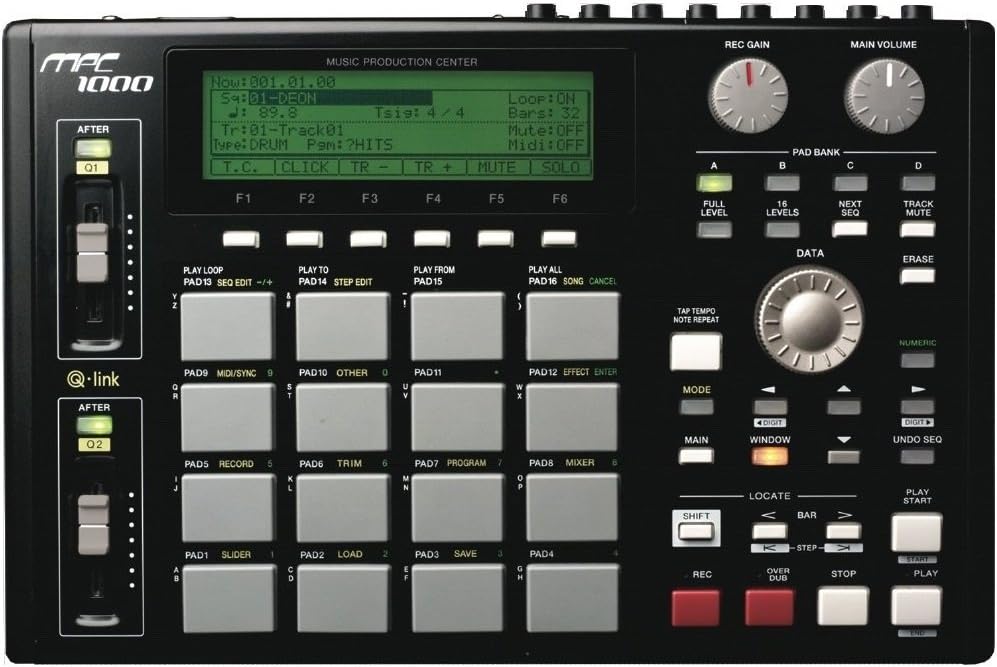
The Akai MPC1000 packs powerful music-making tools into a small, affordable machine. It features 32-voice stereo sampling, a 64-track sequencer, and 16 responsive pads for real-time playing and recording. With 16MB of built-in memory (expandable to 128MB) and the ability to save projects on a Compact Flash card, it’s easy to keep your sounds handy. Plus, you can connect it to a computer via USB to drag and drop your work quickly. Compact and rugged, the MPC1000 is perfect for producers on the go.
Polyend Play
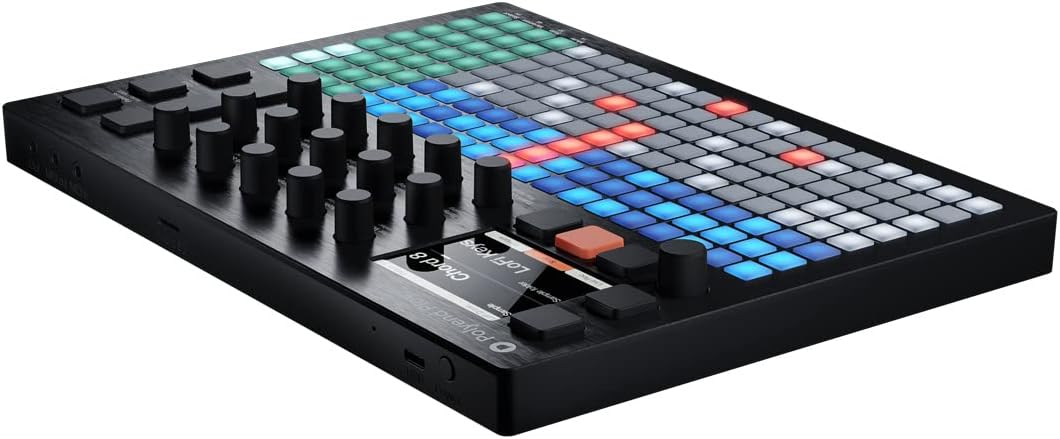
The Polyend Play is a powerful and intuitive sampler and groovebox designed for creative freedom without the complexity. It features over 30 ready-to-use sample kits, eight audio tracks, and eight polyphonic MIDI tracks, all accessible through a user-friendly interface tailored for both studio production and live performance. With 35 unique playback modes, randomizer and step repeater functions, a flexible 64-step sequencer, customizable pattern placement, onboard effects, and deep MIDI integration, the Play invites hands-on experimentation and effortless arrangement—whether you're jamming or building complete tracks from scratch.
| Spec | Akai MPC1000 | Polyend Play |
|---|---|---|
| Manufacturer | Akai Professional | Polyend |
| Year Released | 2003 | 2022 |
| Polyphony | 64 | 64 |
| Sample Rate | 44.1kHz | 44.1kHz |
| Storage | CompactFlash | MicroSD card |
| Pads | 16 velocity-sensitive pads | 16 velocity-sensitive pads |
| Sequencer | Yes | Yes |
| Effects | EQ, Compression, Reverb | Multiple effects |
| I/O | MIDI In/Out, Audio In/Out | MIDI In/Out, USB, Audio In/Out |
| Screen | LCD | LCD display |
| Software Integration | MPC Software | No |
| Build | Standalone | Groovebox |
| Price | $700 used | $1100 |
| More about | Details | Details |
Buy the Polyend Play on Amazon.com
Buy Now On AmazonPolyend Play vs. Akai MPC1000: A Battle of Sampler Titans
In a world filled with mesmerizing beats and catchy rhythms, finding the perfect sampler can be a game-changer. Today, we will dive into two remarkable samplers: the Polyend Play and the Akai MPC1000. Join us as we explore their features, strengths, and weaknesses to help you decide which one suits your musical journey best.
Introduction
Music is a beautiful form of art that brings people together. Whether you’re a budding musician or an experienced producer, having the right tools is essential. Samplers are like magic wands for musicians, allowing them to capture sounds and create music in unique ways. Today, we’re going to compare two incredible samplers: the Polyend Play and the Akai MPC1000. These devices have captured the hearts of music enthusiasts around the world, and we’re here to find out why.
Feature Comparisons
Polyend Play: The Modern Groovebox
The Polyend Play is a modern groovebox that debuted in 2022. It’s like a shiny new toy for musicians who love to experiment and create fresh sounds. With a polyphony of 64, it can play multiple notes at once, making it perfect for layering sounds and creating complex music. The sample rate of 44.1kHz ensures high-quality audio, capturing every detail of your sounds.
This groovebox uses a MicroSD card for storage, which is handy because you can store tons of samples without worrying about running out of space. It features 16 velocity-sensitive pads that respond to how hard or soft you hit them, allowing for expressive and dynamic music-making.
The Polyend Play comes with a built-in sequencer, enabling you to arrange your beats and melodies with ease. It also offers multiple effects to spice up your tracks, and its MIDI In/Out and USB connections make it easy to integrate with other gear. However, it doesn’t have software integration, meaning it’s more of a standalone device for those who prefer hands-on music creation. Priced at around $1100, it’s on the higher end, but it promises a modern workflow and a lot of creative possibilities.
Akai MPC1000: The Classic Standalone
The Akai MPC1000 is a tried-and-true classic, first introduced in 2003. Despite being older, it remains a favorite among musicians for its robust features and reliability. It also boasts a polyphony of 64 and a sample rate of 44.1kHz, ensuring high-quality sound.
This sampler uses CompactFlash for storage, which might feel a bit dated compared to modern standards, but still gets the job done. Like the Polyend Play, it has 16 velocity-sensitive pads, making it great for dynamic performances.
One of the standout features of the MPC1000 is its powerful sequencer, which has been a staple in music production for years. It also comes with built-in effects like EQ, compression, and reverb, allowing you to shape your sound right from the device. The MPC1000 includes MIDI In/Out and audio connections, ensuring compatibility with other gear. Plus, it integrates with MPC Software, which can be a big advantage for those who like to mix hardware and software workflows.
Priced at around $700 on the used market, the MPC1000 is more budget-friendly, especially for those just starting out or looking for a reliable piece of gear without breaking the bank.
Pros and Cons
Polyend Play
Pros:
- Modern design and workflow
- High-quality audio with 44.1kHz sample rate
- Large storage capacity with MicroSD card
- Multiple effects for creative sound shaping
- Intuitive sequencer for easy music arrangement
Cons:
- Higher price point at $1100
- Lack of software integration
Akai MPC1000
Pros:
- Classic and reliable design
- Affordable price on the used market
- Powerful sequencer with a long-standing reputation
- Built-in effects like EQ, compression, and reverb
- Integration with MPC Software
Cons:
- Uses older CompactFlash storage
- Older model with less modern features
Conclusion
In summary, the Polyend Play and the Akai MPC1000 are both exceptional samplers, each with its own unique strengths. The Polyend Play is a modern groovebox that offers a fresh approach to music-making, while the Akai MPC1000 is a classic piece of gear that has stood the test of time.
Final Verdict
So, which sampler is right for you? If you’re someone who loves modern technology and doesn’t mind investing in a high-quality, standalone device, the Polyend Play is an excellent choice. It’s perfect for musicians who crave a modern workflow and the ability to create complex music with ease.
On the other hand, if you’re looking for a reliable and budget-friendly option, the Akai MPC1000 is a fantastic pick. It’s great for those who appreciate classic gear and enjoy combining hardware and software in their music production.
Ultimately, both samplers have their merits, and your choice will depend on your personal preferences and musical needs. Whichever you choose, you’re bound to create amazing music that captivates the hearts of listeners everywhere.