Akai MPC1000 — VS — Polyend Play+
Akai MPC1000
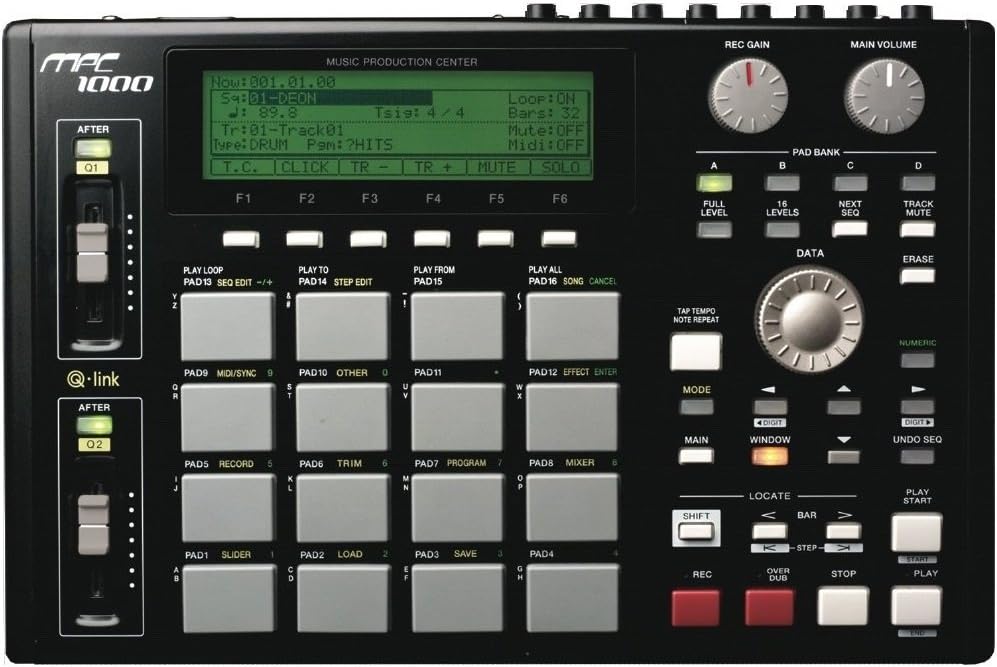
The Akai MPC1000 packs powerful music-making tools into a small, affordable machine. It features 32-voice stereo sampling, a 64-track sequencer, and 16 responsive pads for real-time playing and recording. With 16MB of built-in memory (expandable to 128MB) and the ability to save projects on a Compact Flash card, it’s easy to keep your sounds handy. Plus, you can connect it to a computer via USB to drag and drop your work quickly. Compact and rugged, the MPC1000 is perfect for producers on the go.
Polyend Play+
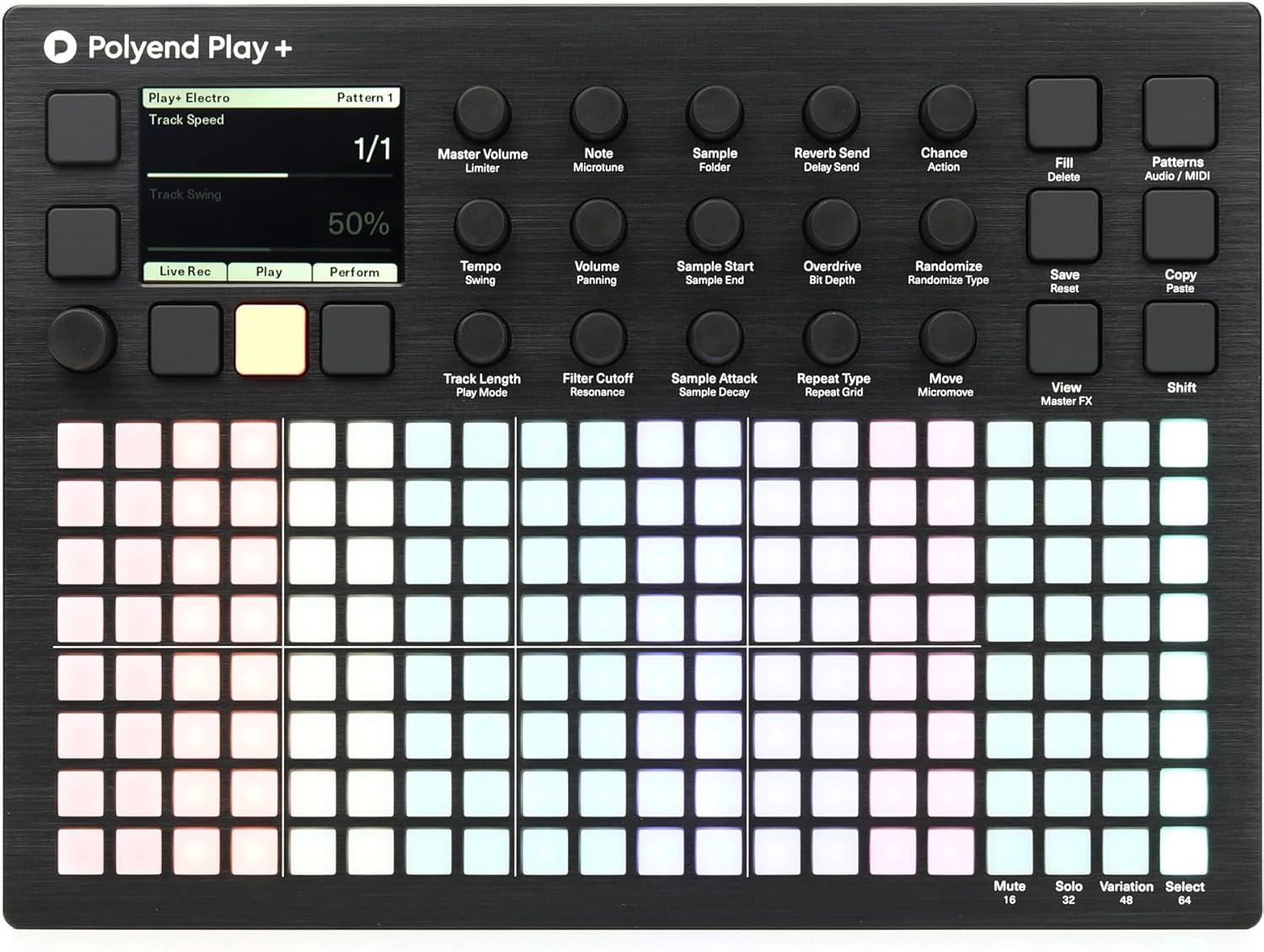
The Polyend Play+ builds on the original Polyend Play by adding upgraded internals and expanded features for creative sequencing, sample playback, and live performance. It supports stereo sample playback, powerful track-based sequencing, per-step automation, and advanced MIDI sequencing—all with a large 8x8 grid and deep performance tools. Ideal for electronic producers and live performers looking for a portable yet capable music workstation.
| Spec | Akai MPC1000 | Polyend Play+ |
|---|---|---|
| Manufacturer | Akai Professional | Polyend |
| Year Released | 2003 | 2023 |
| Polyphony | 64 | 8 |
| Sample Rate | 44.1kHz | 44.1kHz / 16-bit |
| Storage | CompactFlash | MicroSD card |
| Pads | 16 velocity-sensitive pads | 8x8 velocity-sensitive pad grid |
| Sequencer | Yes | Yes, 16-track pattern-based |
| Effects | EQ, Compression, Reverb | Reverb, Delay, Overdrive, EQ, Master FX |
| I/O | MIDI In/Out, Audio In/Out | Stereo In, Stereo Out, MIDI In/Out/Thru, USB-C |
| Screen | LCD | High-res color display |
| Software Integration | MPC Software | Drag-and-drop sample management via USB |
| Build | Standalone | Modern standalone groovebox sampler |
| Price | $700 used | $799 |
| More about | Details | Details |
Buy the Polyend Play+ on Amazon.com
Buy Now On AmazonA Quick Summary
The Akai MPC1000 and the Polyend Play+ are two popular samplers that offer distinct features for music producers and performers. Whether you’re a beat maker looking for something classic or a modern producer seeking advanced features, these samplers have something to offer.
Introduction
Hello, music gear enthusiasts! Today, we’re diving into the world of samplers, comparing two powerful devices: the Akai MPC1000 and the Polyend Play+. These samplers are tools that help musicians and producers create beats, melodies, and entire tracks by playing back recorded sounds. If you’re looking to add one of these to your setup, you might be wondering which one suits your needs best. Let’s explore the features, pros, and cons of each to help you make the right choice.
Meet the Samplers
Akai MPC1000: A Classic Choice
The Akai MPC1000 has been a staple in music production since its release in 2003. Known for its sturdy build and portability, this sampler is a favorite among many producers. With 16 velocity-sensitive pads and a 64-track sequencer, it offers a hands-on approach to music creation. The MPC1000 allows you to sample sounds at a rate of 44.1kHz and store them on a CompactFlash card. It’s a standalone device, meaning you don’t need a computer to use it, but you can connect it via USB for added convenience.
Polyend Play+: A Modern Marvel
Released in 2023, the Polyend Play+ is a modern groovebox sampler that builds on the original Polyend Play. It features an 8x8 grid of velocity-sensitive pads, offering a larger surface for creativity. This sampler supports stereo sample playback at 44.1kHz/16-bit and includes a 16-track pattern-based sequencer. With its high-resolution color display and USB-C connectivity, the Play+ is designed for ease of use and modern integration. It’s ideal for electronic producers and live performers who want a portable yet capable music workstation.
Features: A Closer Look
Pads and Playability
The Akai MPC1000 features 16 pads that are known for their responsiveness. These pads are great for drum programming and live performance, allowing you to tap out beats and trigger samples with ease. In contrast, the Polyend Play+ offers an 8x8 grid, providing 64 pads in total. This larger grid is perfect for complex sequencing and offers more space for triggering samples, making it ideal for those who want more control over their compositions.
Sequencers: Track Your Creativity
Both samplers come with built-in sequencers, but they operate differently. The Akai MPC1000 has a 64-track sequencer, giving you plenty of room to layer sounds and create intricate compositions. Meanwhile, the Polyend Play+ features a 16-track pattern-based sequencer. This allows for detailed per-step automation, making it easier to craft evolving patterns and dynamic sequences.
Effects: Sculpting Your Sound
When it comes to effects, the Akai MPC1000 offers EQ, compression, and reverb. These basic effects are essential for shaping your sound and adding depth to your tracks. The Polyend Play+, however, takes things further with reverb, delay, overdrive, EQ, and master effects. This wider range of effects gives you more tools to sculpt your sound and create unique textures.
Storage and Connectivity
The Akai MPC1000 uses CompactFlash cards for storage, which might feel a bit outdated to some. However, it’s reliable and ensures your samples are always accessible. On the other hand, the Polyend Play+ uses a MicroSD card, which is more modern and offers greater storage flexibility. In terms of connectivity, both samplers offer MIDI input and output, but the Play+ also includes MIDI thru and USB-C, making it more versatile for modern setups.
Screens: Interface and Usability
The Akai MPC1000 has a basic LCD screen, which gets the job done but lacks the clarity of modern displays. The Polyend Play+ comes with a high-resolution color display, providing a clearer and more intuitive interface. This makes it easier to navigate menus, edit samples, and adjust settings.
Software Integration
Both samplers offer some level of software integration. The Akai MPC1000 can connect to a computer with MPC Software, allowing for drag-and-drop functionality. The Polyend Play+ also supports drag-and-drop sample management via USB, making it easy to organize and transfer samples between your computer and the device.
Pros and Cons
Akai MPC1000
Pros:
- Portable and sturdy: The compact and rugged design is perfect for on-the-go producers.
- Responsive pads: The 16 velocity-sensitive pads are great for live performance and beat-making.
- Standalone operation: No computer needed, but USB connectivity is available.
Cons:
- Limited storage options: Relies on CompactFlash cards, which may be less convenient for some.
- Basic screen: The LCD display is functional but lacks modern clarity.
- Fewer effects: Limited to EQ, compression, and reverb.
Polyend Play+
Pros:
- Modern design: The 8x8 pad grid and high-res color display offer a sleek and intuitive interface.
- Advanced effects: Includes reverb, delay, overdrive, EQ, and master effects.
- Versatile connectivity: Offers USB-C and MIDI thru for flexible integration.
Cons:
- Higher price: At $799, it’s more expensive than the MPC1000.
- Lower polyphony: Only supports 8-note polyphony compared to the MPC1000’s 64-note.
- Newer technology: Some users might prefer the tried-and-true reliability of older models like the MPC1000.
Final Verdict
Choosing between the Akai MPC1000 and the Polyend Play+ depends on your needs and preferences. The MPC1000 is perfect for producers who value a classic, reliable device with a hands-on approach. It’s especially suitable for those on a budget, looking for a portable solution with classic features.
On the other hand, the Polyend Play+ is ideal for modern producers and performers who want a feature-rich sampler with advanced effects and connectivity options. Its larger pad grid and high-res display make it perfect for complex compositions and live performances.
Both samplers have their strengths, but the best choice depends on what you need to achieve your musical goals. Whether you’re drawn to the classic charm of the MPC1000 or the modern capabilities of the Play+, both devices offer powerful tools for creating incredible music.