Akai MPC1000 — VS — Polyend Tracker
Akai MPC1000
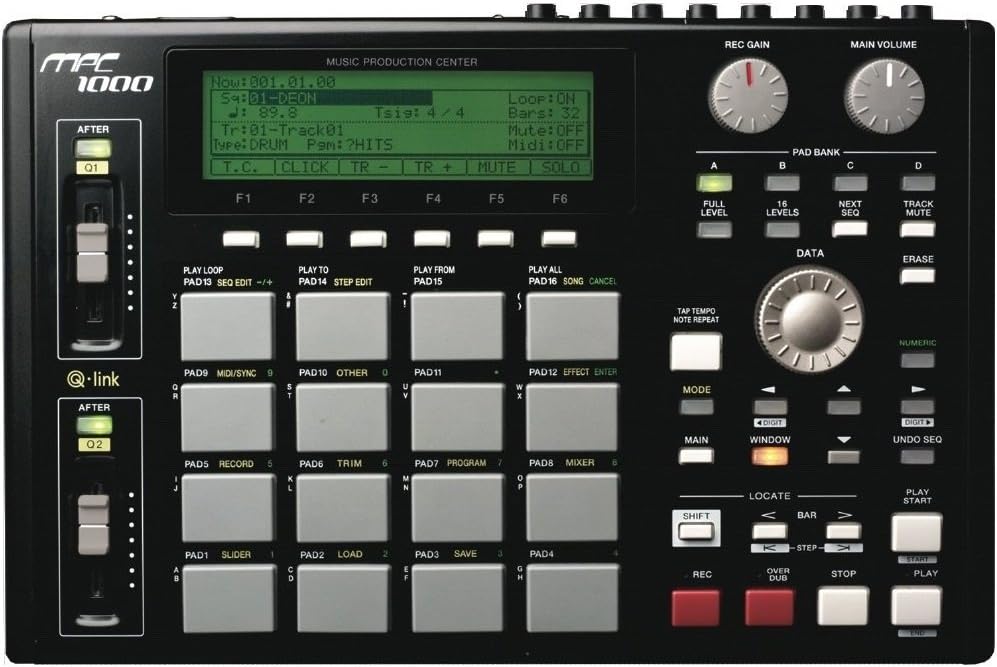
The Akai MPC1000 packs powerful music-making tools into a small, affordable machine. It features 32-voice stereo sampling, a 64-track sequencer, and 16 responsive pads for real-time playing and recording. With 16MB of built-in memory (expandable to 128MB) and the ability to save projects on a Compact Flash card, it’s easy to keep your sounds handy. Plus, you can connect it to a computer via USB to drag and drop your work quickly. Compact and rugged, the MPC1000 is perfect for producers on the go.
Polyend Tracker
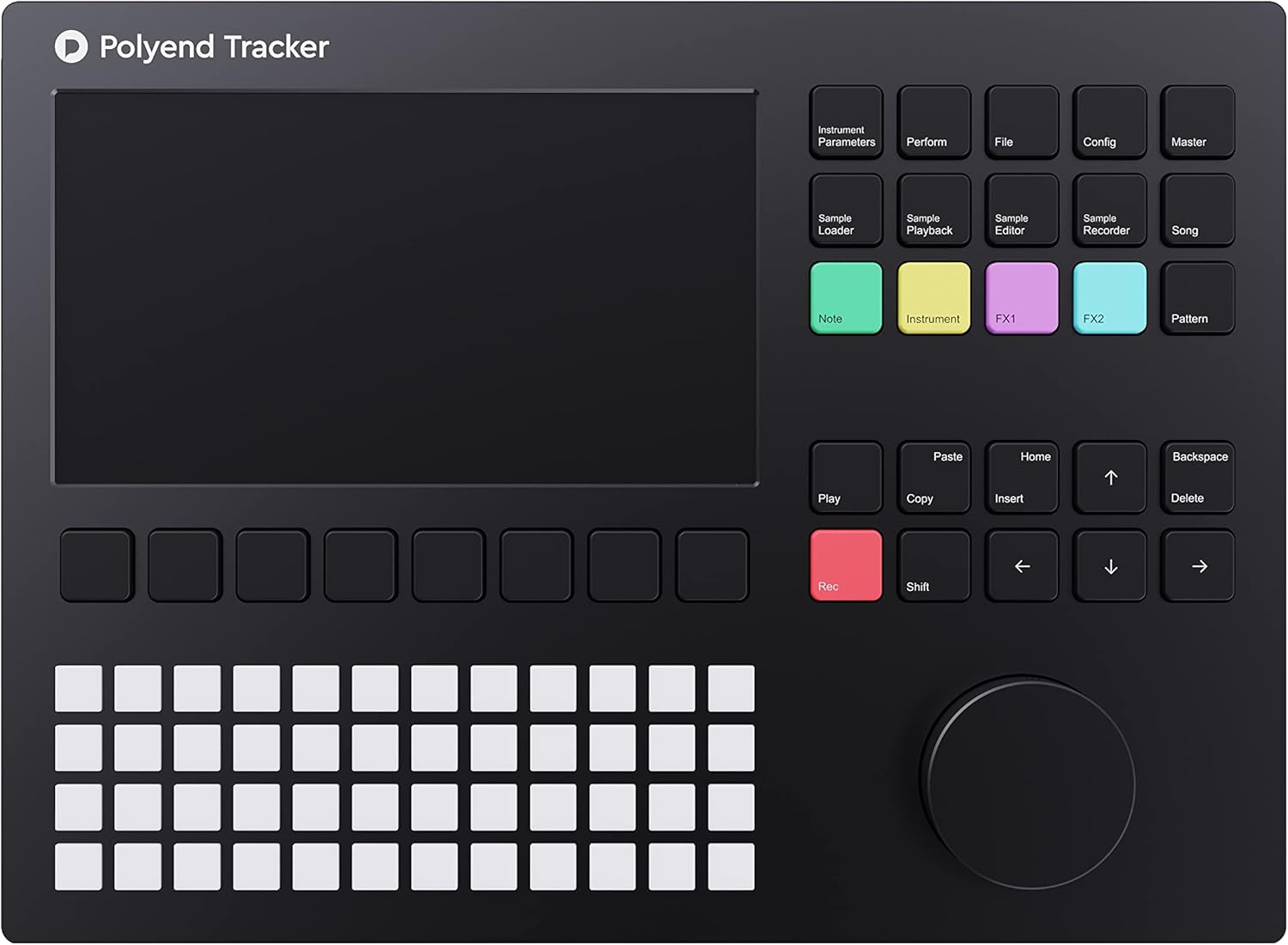
Polyend Tracker is a powerful, easy-to-use music workstation that helps you create and perform your own songs. It's compact, lightweight, and built for making music anywhere—at home, in the studio, or on the go. You can load in your own samples, record new ones with a mic or even from the built-in FM radio, then slice, shape, and play them your way. It has a simple layout, a strong sequencer, and tools like filters and effects to build full tracks. You can also connect it to other gear using MIDI. It's made for creative people who want a fresh, hands-on way to make music.
| Spec | Akai MPC1000 | Polyend Tracker |
|---|---|---|
| Manufacturer | Akai Professional | Polyend |
| Year Released | 2003 | 2020 |
| Polyphony | 64 | 64 |
| Sample Rate | 44.1kHz | 44.1kHz |
| Storage | CompactFlash | MicroSD card |
| Pads | 16 velocity-sensitive pads | No pads, buttons for input |
| Sequencer | Yes | Yes |
| Effects | EQ, Compression, Reverb | Multiple effects |
| I/O | MIDI In/Out, Audio In/Out | MIDI In/Out, USB, Audio In/Out |
| Screen | LCD | LCD display |
| Software Integration | MPC Software | No |
| Build | Standalone | Tracker-style sampler |
| Price | $700 used | $599 |
| More about | Details | Details |
Buy the Polyend Tracker on Amazon.com
Buy Now On AmazonComparing the Polyend Tracker and Akai MPC1000: A Deep Dive for Music Enthusiasts
Summary: The Polyend Tracker and Akai MPC1000 are both powerful samplers and sequencers, but they cater to different types of music creators. Whether you’re a modern music producer looking for innovative features or a classic beatmaker seeking a tried-and-true machine, this detailed comparison will help you decide which sampler suits your style best.
Introduction
When it comes to making music, having the right tools can make all the difference. For those who love creating beats and experimenting with sounds, samplers are a must-have. Today, we’re diving into two popular samplers: the Polyend Tracker and the Akai MPC1000. Both are incredible machines with their own unique features. Let’s explore what makes each one special and which might be the best fit for you.
The Polyend Tracker: A Modern Marvel
What is the Polyend Tracker?
The Polyend Tracker is a modern sampler and sequencer that was released in 2020 by Polyend. It’s designed with a tracker-style interface, which is quite different from traditional samplers. This makes it a unique and intriguing option for music creators who want to try something new.
Features of the Polyend Tracker
- Polyphony and Sample Rate: The Polyend Tracker offers 64-note polyphony and a sample rate of 44.1kHz. This means you can layer many sounds without losing quality.
- Storage and Input: It uses a MicroSD card for storage, allowing you to carry your entire music library in your pocket. Unlike traditional samplers, it doesn’t have pads but uses buttons for input.
- Sequencer and Effects: The built-in sequencer is a standout feature, allowing complex patterns and sequences. It also includes multiple effects to enhance your sounds.
- Connectivity: With MIDI In/Out, USB, and Audio In/Out, it’s easy to connect the Polyend Tracker to other gear.
- Display and Build: It features an LCD display and is built in a unique tracker-style format.
Pros and Cons of the Polyend Tracker
Pros:
- Unique sequencing approach
- High-quality sound with 64-note polyphony
- Compact and portable
Cons:
- No pads, which might be a drawback for those used to traditional samplers
- Pricey at $1200
The Akai MPC1000: A Classic Choice
What is the Akai MPC1000?
The Akai MPC1000, introduced by Akai Professional in 2003, is a classic standalone sampler known for its powerful sequencing capabilities. It has been a staple for many producers, especially in hip-hop and electronic music.
Features of the Akai MPC1000
- Polyphony and Sample Rate: Like the Polyend Tracker, the MPC1000 also supports 64-note polyphony and a sample rate of 44.1kHz, allowing for rich, layered sounds.
- Storage and Pads: It uses CompactFlash cards for storage. The highlight for many is its 16 velocity-sensitive pads, perfect for finger drumming and dynamic beat making.
- Sequencer and Effects: The sequencer is robust, providing extensive control over your music. It includes effects like EQ, Compression, and Reverb.
- Connectivity: It features MIDI In/Out and Audio In/Out for seamless integration with other devices.
- Display and Build: The MPC1000 has an LCD screen and a durable standalone build, making it reliable for studio or live use.
Pros and Cons of the Akai MPC1000
Pros:
- Classic and reliable design
- 16 velocity-sensitive pads for expressive playing
- Affordable, especially on the used market at around $700
Cons:
- Older technology, which might not suit those seeking the latest features
- Limited to CompactFlash storage, which is less convenient than modern options
Feature Comparisons
Sound and Performance
Both the Polyend Tracker and Akai MPC1000 offer 64-note polyphony and a 44.1kHz sample rate. This ensures that both machines can handle complex and layered compositions without sacrificing sound quality. However, the lack of pads on the Polyend Tracker might be a limitation for those who prefer a tactile interface for live performances or beat-making.
Sequencing and Effects
The Polyend Tracker stands out with its unique tracker-style sequencing, which can inspire creativity in ways traditional sequencers might not. The Akai MPC1000, on the other hand, is known for its powerful sequencer, which has been a favorite among producers for years. While the Polyend Tracker offers a variety of effects, the MPC1000 provides essential effects like EQ and Reverb, which are crucial for shaping sounds.
Storage and Connectivity
In terms of storage, the Polyend Tracker’s use of a MicroSD card offers more convenience and flexibility compared to the MPC1000’s CompactFlash cards. Both devices offer MIDI and audio connectivity, but the Polyend Tracker’s inclusion of USB connectivity provides an edge for those integrating with modern setups.
Build and Interface
The build and interface of these samplers cater to different user preferences. The Polyend Tracker’s tracker-style interface is unique and might appeal to those looking for a fresh approach. The Akai MPC1000’s standalone build and classic design make it a reliable choice for those who appreciate the traditional MPC workflow, complete with its iconic pads.
Final Verdict: Which Sampler is Best for You?
When deciding between the Polyend Tracker and the Akai MPC1000, consider what you value most in a sampler:
- If you are drawn to innovative sequencing, modern connectivity, and are willing to invest in a new approach, the Polyend Tracker is an excellent choice.
- If you prefer a classic workflow, crave the tactile experience of pads, and are looking for a budget-friendly option, the Akai MPC1000 might be the perfect fit.
Ultimately, both samplers offer incredible features and capabilities. Your choice will depend on your personal preferences and the type of music you aim to create. Happy music making!