Akai MPC1000 — VS — Roland SP-404A
Akai MPC1000
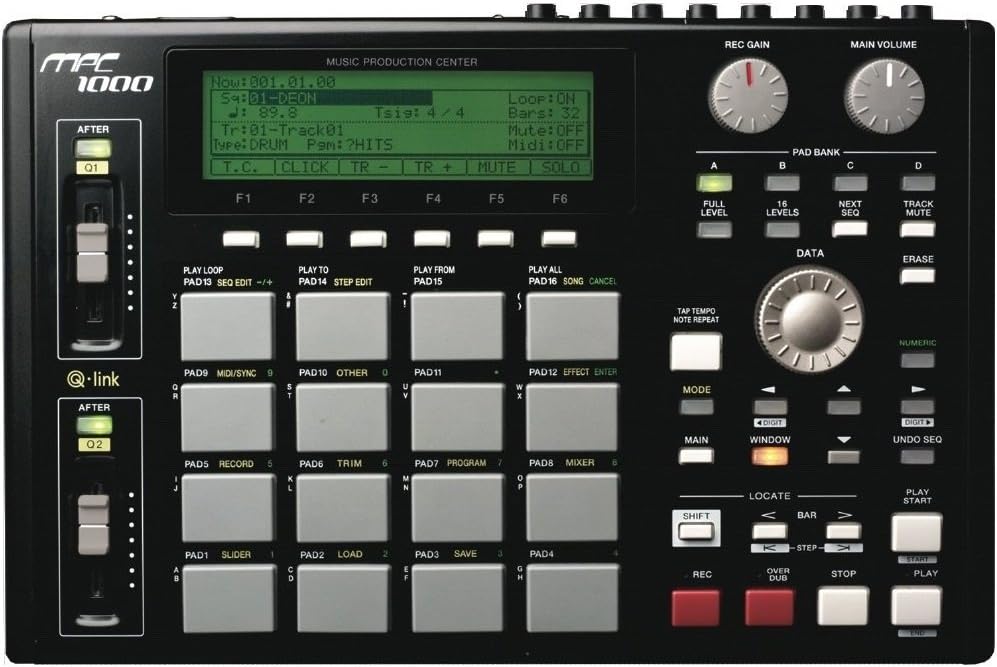
The Akai MPC1000 packs powerful music-making tools into a small, affordable machine. It features 32-voice stereo sampling, a 64-track sequencer, and 16 responsive pads for real-time playing and recording. With 16MB of built-in memory (expandable to 128MB) and the ability to save projects on a Compact Flash card, it’s easy to keep your sounds handy. Plus, you can connect it to a computer via USB to drag and drop your work quickly. Compact and rugged, the MPC1000 is perfect for producers on the go.
Roland SP-404A
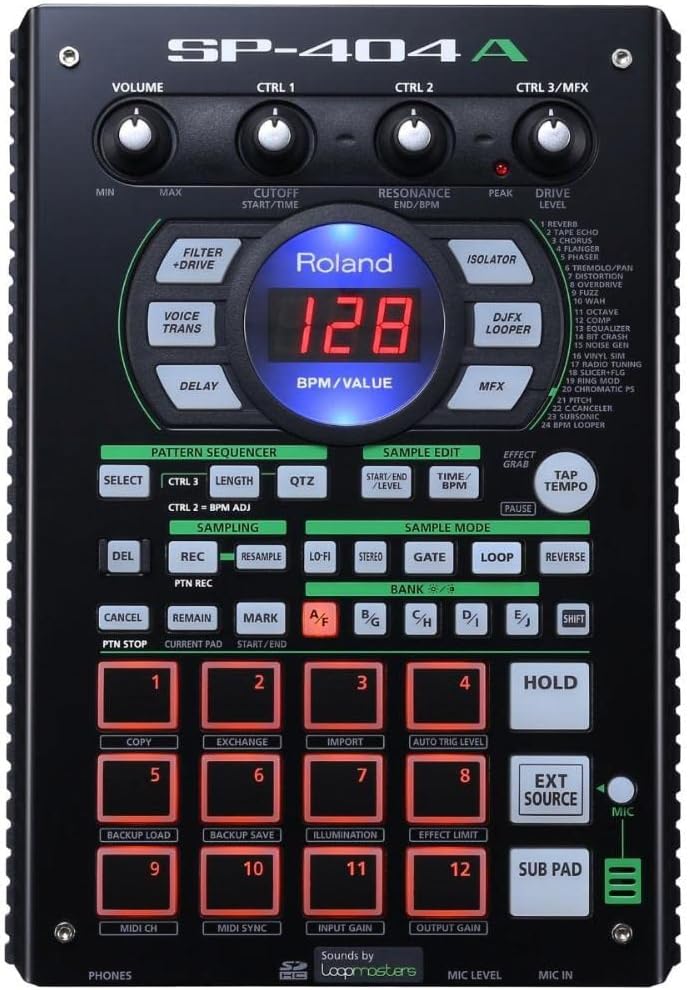
The SP-404A is a fun music machine made for live shows. You can use it to play cool sounds, beats, and effects. It works really well with another music tool called the Roland TR-8, but you can also use it by itself. It has 12 big buttons you can press to play sounds, plus lots of awesome effects to change how your music feels. It even comes with a card full of great sounds to get you started. Whether you're a DJ, a musician, or just love making beats, the SP-404A helps you create music in a fun and easy way.
| Spec | Akai MPC1000 | Roland SP-404A |
|---|---|---|
| Manufacturer | Akai Professional | Roland |
| Year Released | 2003 | 2017 |
| Polyphony | 64 | 128 |
| Sample Rate | 44.1kHz | 44.1kHz |
| Storage | CompactFlash | SD card |
| Pads | 16 velocity-sensitive pads | 12 velocity-sensitive pads |
| Sequencer | Yes | No |
| Effects | EQ, Compression, Reverb | Vintage effects, Reverb, Delay |
| I/O | MIDI In/Out, Audio In/Out | MIDI In/Out, USB, Audio In/Out |
| Screen | LCD | OLED display |
| Software Integration | MPC Software | Roland Software |
| Build | Standalone | Portable |
| Price | $700 used | $600 |
| More about | Details | Details |
Buy the Roland SP-404A on Amazon.com
Buy Now On AmazonRoland SP-404A vs. Akai MPC1000: Which Sampler is Right for You?
Summary: In this detailed comparison, we explore the features, pros, and cons of two popular samplers: the Roland SP-404A and the Akai MPC1000. Whether you’re a budding musician or an experienced producer, understanding the strengths and weaknesses of these devices will help you pick the right one for your needs.
Introduction
If you’re a music enthusiast or a budding producer, chances are you’ve heard about the Roland SP-404A and the Akai MPC1000. Both are renowned in the music world for their unique abilities to bring sound to life. But how do you choose between them? This blog post will walk you through their features, strengths, and weaknesses to help you make an informed decision.
Feature Comparisons
Build and Design
The Roland SP-404A is known for its portable design, making it easy to take your music creation on the go. It features 12 velocity-sensitive pads, which are great for creating dynamic beats. On the other hand, the Akai MPC1000 is a standalone device, which means it doesn’t need to be connected to a computer to function. It has 16 velocity-sensitive pads, offering a wider range of control for beat-making.
Sound Capabilities
When it comes to polyphony, the Roland SP-404A outshines the Akai MPC1000 with a whopping 128 voices compared to 64 voices in the MPC1000. This means the SP-404A can play more notes simultaneously, which is useful for creating layered sounds. Both samplers operate at a sample rate of 44.1kHz, ensuring high-quality audio playback.
Storage and Connectivity
The SP-404A uses an SD card for storage, which is reliable and easy to replace. It also offers modern connectivity options like USB and MIDI In/Out, along with Audio In/Out for versatile studio integration. The MPC1000 uses CompactFlash for storage, which might be considered outdated by some but allows for ample storage capacity. It also includes MIDI In/Out and Audio In/Out, ensuring seamless connections with other studio equipment.
Effects and Sequencing
Effects are where the Roland SP-404A really shines. It comes with vintage effects, reverb, and delay, giving your music a unique and rich sound. However, it lacks a sequencer, which can be a downside for those who prefer to program their beats directly on the device.
In contrast, the Akai MPC1000 includes a robust sequencer, making it a favorite for those who love crafting complex rhythms and song arrangements. It also offers effects like EQ, compression, and reverb, which are essential for polishing your tracks.
Display and Software Integration
The SP-404A features an OLED display, which is clear and easy to read. It integrates well with Roland Software, allowing for expanded functionality and creative possibilities. The MPC1000, with its LCD screen, provides a straightforward interface and integrates with MPC Software, known for its user-friendly workflow and powerful capabilities.
Pros and Cons
Roland SP-404A
Pros:
- Portable design for easy transport
- High polyphony count (128 voices)
- Modern connectivity options
- Excellent effects for creative sound design
Cons:
- Lacks a built-in sequencer
- Limited to 12 pads
Akai MPC1000
Pros:
- Standalone design with no need for a computer
- Includes a powerful sequencer
- More pads for greater control
- Renowned for its reliable performance and durability
Cons:
- Lower polyphony count (64 voices)
- Uses older CompactFlash storage
Final Verdict
When it comes to choosing between the Roland SP-404A and the Akai MPC1000, it really depends on what you’re looking for in a sampler. The SP-404A is perfect for those who need portability and love experimenting with effects. It’s a great choice for live performers or those looking to add unique sounds to their music.
In contrast, the MPC1000 is ideal for producers who want a standalone device with powerful sequencing capabilities. It’s perfect for creating complex beats and song arrangements without needing a computer.
Ultimately, both samplers have their unique strengths, and the best choice depends on your personal preferences and musical needs. Whether you’re just starting out or are an experienced producer, understanding these differences will help you make the right choice for your music creation journey.