Akai MPC1000 — VS — Roland SP-404MKII
Akai MPC1000
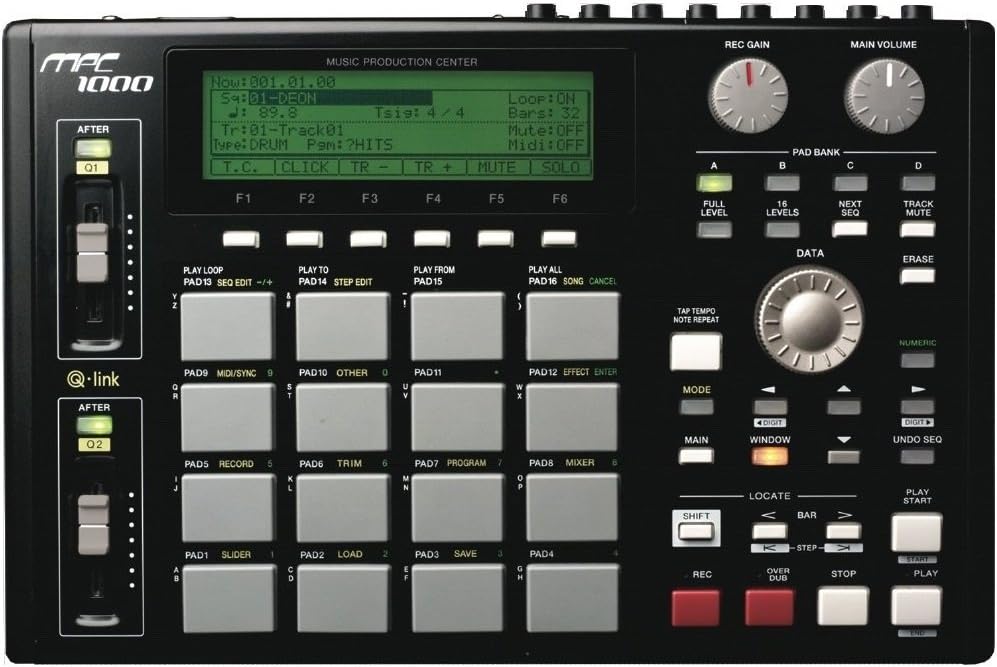
The Akai MPC1000 packs powerful music-making tools into a small, affordable machine. It features 32-voice stereo sampling, a 64-track sequencer, and 16 responsive pads for real-time playing and recording. With 16MB of built-in memory (expandable to 128MB) and the ability to save projects on a Compact Flash card, it’s easy to keep your sounds handy. Plus, you can connect it to a computer via USB to drag and drop your work quickly. Compact and rugged, the MPC1000 is perfect for producers on the go.
Roland SP-404MKII
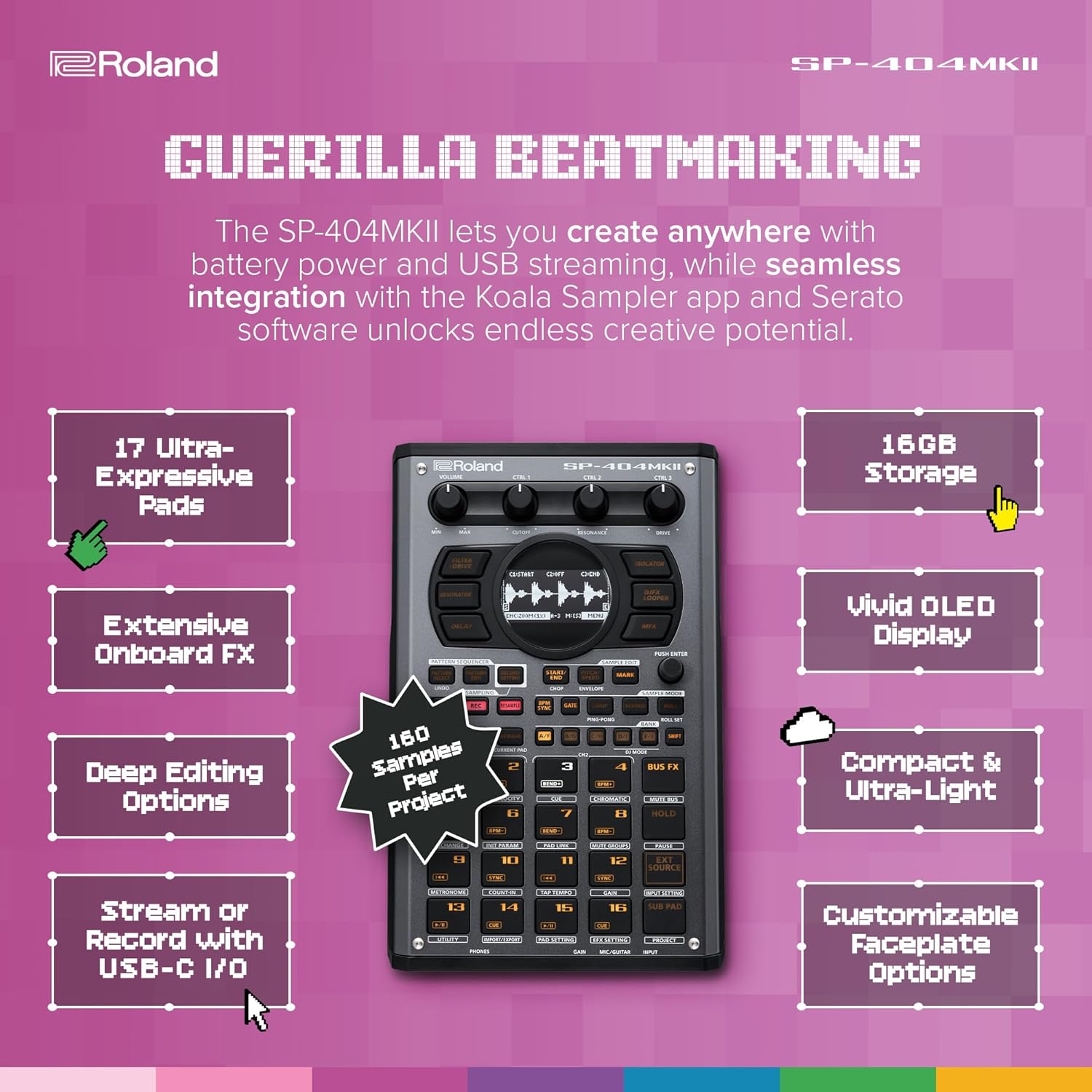
The SP-404MKII is a music-making machine that helps you create beats fast and have fun doing it. You can play sounds with cool pads, mix in effects, and use a big library of awesome sounds. It has a bright screen to help you see everything easily, and it's great for making music anywhere you go. DJs and beatmakers love it because it's super fun, powerful, and easy to use!
| Spec | Akai MPC1000 | Roland SP-404MKII |
|---|---|---|
| Manufacturer | Akai Professional | Roland |
| Year Released | 2003 | 2021 |
| Polyphony | 64 | 128 |
| Sample Rate | 44.1kHz | 44.1kHz |
| Storage | CompactFlash | SD card |
| Pads | 16 velocity-sensitive pads | 16 velocity-sensitive pads |
| Sequencer | Yes | Yes |
| Effects | EQ, Compression, Reverb | Vintage effects, Reverb, Delay |
| I/O | MIDI In/Out, Audio In/Out | MIDI In/Out, USB, Audio In/Out |
| Screen | LCD | OLED display |
| Software Integration | MPC Software | Roland Software |
| Build | Standalone | Portable |
| Price | $700 used | $650 |
| More about | Details | Details |
Buy the Roland SP-404MKII on Amazon.com
Buy Now On AmazonRoland SP-404MKII vs. Akai MPC1000: Which Sampler Wins?
Summary: This blog post compares two popular samplers, the Roland SP-404MKII and the Akai MPC1000. Both models offer unique features and benefits, catering to different types of music creators. Read on to discover which sampler might be the best fit for your needs.
Introduction
Hello, fellow music gear enthusiasts! If you’re here, you’re probably trying to decide between two iconic pieces of music equipment: the Roland SP-404MKII and the Akai MPC1000. Both of these samplers are legends in their own rights. The SP-404MKII is a popular modern update, while the MPC1000 has a classic feel that many producers adore. In this article, we’ll dive deep into their features, pros, and cons, and help you figure out which one is the right choice for you.
Feature Comparisons
Sound and Polyphony
When it comes to making music, sound quality is essential. The Roland SP-404MKII boasts an impressive polyphony of 128 voices, which means it can play up to 128 different sounds at the same time. This is great for those who like layering multiple samples and creating rich, complex tracks. On the other hand, the Akai MPC1000 offers a polyphony of 64 voices, which is still quite powerful but not as extensive as the SP-404MKII.
Sampling and Storage
Both samplers provide high-quality 44.1kHz sample rates, ensuring crisp and clear sound. However, they differ in storage options. The Roland SP-404MKII uses an SD card for storage, making it easy to expand your memory and transfer files between devices. Meanwhile, the Akai MPC1000 relies on CompactFlash cards. This might be a bit dated for some users, but it still serves its purpose well for those who prefer a more traditional setup.
Pads and Sequencing
Pads are crucial for beatmakers and producers. Both the SP-404MKII and the MPC1000 come with 16 velocity-sensitive pads, allowing for dynamic and expressive playing. As for sequencing, both devices offer built-in sequencers, making it easy to create and arrange your beats and melodies.
Effects and Software Integration
The Roland SP-404MKII shines in the effects department, offering vintage effects, reverb, and delay. These effects can add a unique touch to your music and help you craft your signature sound. In contrast, the Akai MPC1000 provides EQ, compression, and reverb. While its effects might not be as extensive as the SP-404MKII, they are still powerful tools for shaping your sound.
When it comes to software integration, the SP-404MKII works seamlessly with Roland Software, while the MPC1000 integrates with MPC Software. Both offer useful tools for editing and enhancing your music, but the choice will depend on your personal preferences and workflow.
Build and Display
The SP-404MKII is known for its portable build, making it a great option for musicians on the go. It also features a modern OLED display, which is bright and easy to read. On the flip side, the MPC1000 is a standalone unit, which means it doesn’t require a computer to function. Its LCD screen might not be as advanced as the OLED, but it’s still functional and gets the job done.
Pros and Cons
Roland SP-404MKII
Pros:
- High polyphony of 128 voices
- Portable and lightweight design
- Modern OLED display
- Wide range of vintage effects
- Easy storage with SD card
Cons:
- Price might be high for beginners
- Limited standalone capabilities
Akai MPC1000
Pros:
- Classic and standalone design
- Reliable and durable build
- Powerful sequencing capabilities
- Integrates well with MPC Software
Cons:
- Lower polyphony compared to SP-404MKII
- CompactFlash storage is less convenient
- LCD screen is less advanced
Conclusion
In summary, both the Roland SP-404MKII and the Akai MPC1000 are fantastic samplers with their own strengths. The SP-404MKII offers a modern touch with high polyphony and a variety of effects, making it perfect for producers who value portability and cutting-edge features. Meanwhile, the MPC1000 is a classic choice with robust sequencing capabilities and a standalone design, ideal for those who prefer a traditional approach to music production.
Final Verdict
-
Choose the Roland SP-404MKII if you value portability, modern features, and a wide range of effects. It’s a great choice for electronic music producers and those who love experimenting with sounds.
-
Opt for the Akai MPC1000 if you want a reliable, standalone machine with classic functionality. It’s perfect for hip-hop producers and anyone who appreciates a traditional workflow.
We hope this comparison helps you make an informed decision. Happy music-making!