Akai MPC1000 — VS — Roland SP-404SX
Akai MPC1000
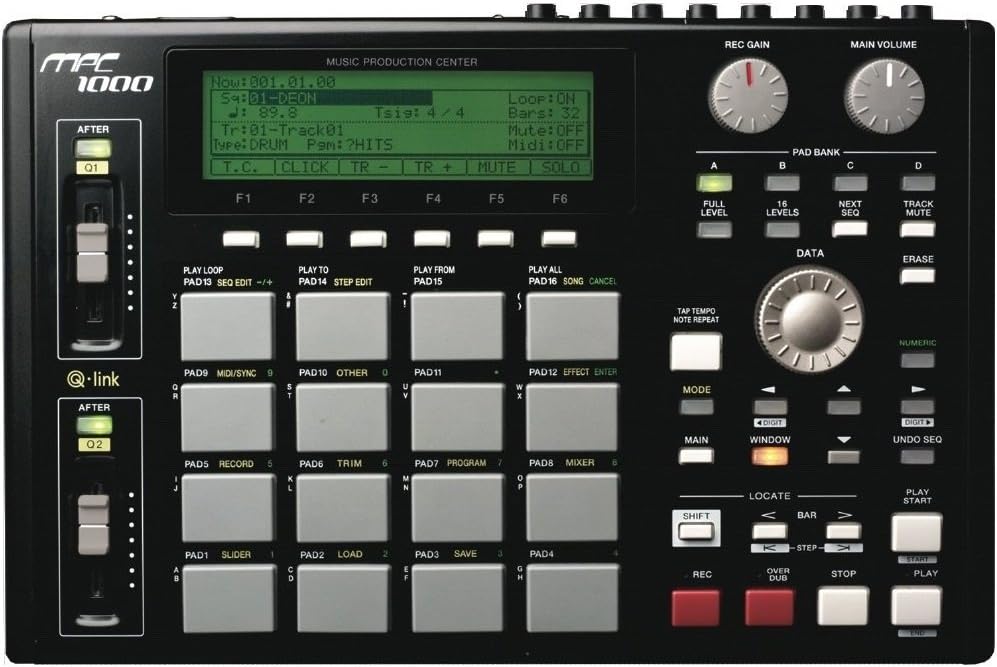
The Akai MPC1000 packs powerful music-making tools into a small, affordable machine. It features 32-voice stereo sampling, a 64-track sequencer, and 16 responsive pads for real-time playing and recording. With 16MB of built-in memory (expandable to 128MB) and the ability to save projects on a Compact Flash card, it’s easy to keep your sounds handy. Plus, you can connect it to a computer via USB to drag and drop your work quickly. Compact and rugged, the MPC1000 is perfect for producers on the go.
Roland SP-404SX
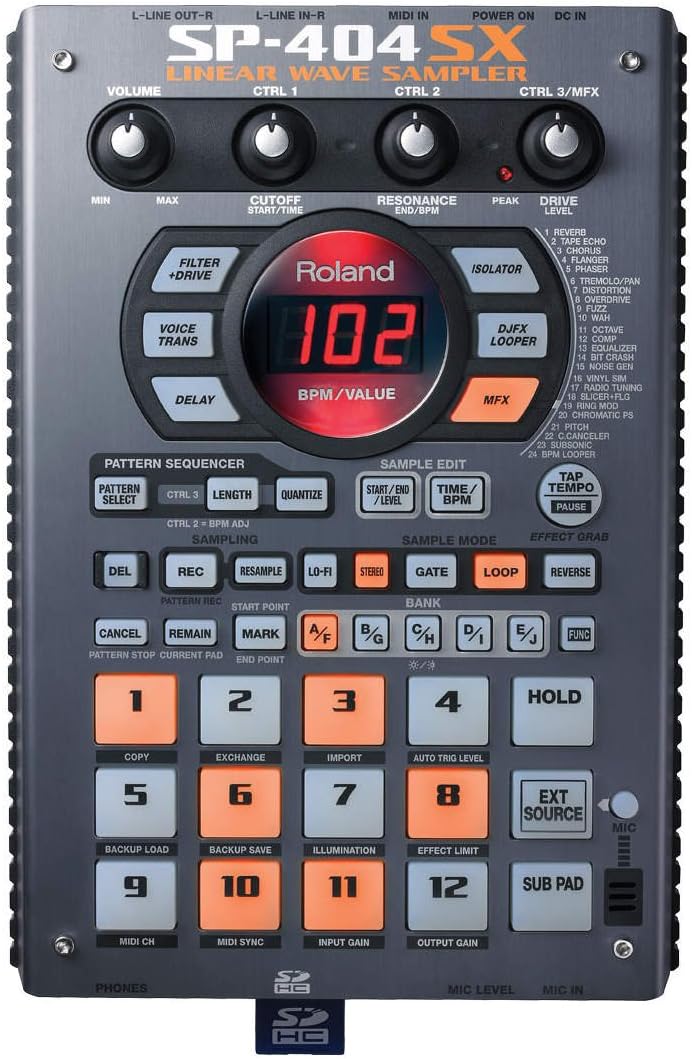
The Roland SP-404SX is a fun and easy-to-use sampler made for music creators, DJs, and performers. It lets you record and play back sounds in high-quality 16-bit audio, add cool effects like filters, delays, and voice tricks, and create beats with its built-in pattern sequencer. You get 12 pads to trigger sounds, plus a special pad for fast repeats, and you can smoothly switch between effects while performing. It uses SD cards to save your music, comes with a 1GB card, and can hold up to 32GB. The SP-404SX is small, powerful, and great for making music on the go.
| Spec | Akai MPC1000 | Roland SP-404SX |
|---|---|---|
| Manufacturer | Akai Professional | Roland |
| Year Released | 2003 | |
| Polyphony | 64 | 128 |
| Sample Rate | 44.1kHz | 44.1kHz |
| Storage | CompactFlash | Compact Flash |
| Pads | 16 velocity-sensitive pads | 12 velocity-sensitive pads |
| Sequencer | Yes | No |
| Effects | EQ, Compression, Reverb | Vintage effects, Reverb, Delay |
| I/O | MIDI In/Out, Audio In/Out | MIDI In/Out, Audio In/Out |
| Screen | LCD | LCD display |
| Software Integration | MPC Software | Roland Software |
| Build | Standalone | Portable |
| Price | $700 used | |
| More about | Details | Details |
Buy the Roland SP-404SX on Amazon.com
Buy Now On AmazonQuick Summary
Choosing between the Akai MPC1000 and the Roland SP-404SX can be tricky. While the MPC1000 is a classic powerhouse for sequencing with its robust features, the SP-404SX shines with its portability and unique effects. Let’s explore these two popular samplers and see which one might be right for you!
Introduction
Music-making is an exciting journey, and having the right tools can make all the difference. For those venturing into the world of sampling, two names often come up: the Akai MPC1000 and the Roland SP-404SX. These samplers have earned their stripes among musicians, but they cater to different needs. Whether you’re laying down beats in a studio or performing live, understanding these devices will help you make an informed choice. Let’s dive in!
Features Comparison
Build and Design
First, let’s talk about how these samplers look and feel. The Akai MPC1000, released by Akai Professional in 2003, is known for its sturdy standalone build. It features 16 velocity-sensitive pads that musicians love for their responsiveness. On the other hand, the Roland SP-404SX is praised for its portability. It’s compact and easy to carry around, making it a favorite for artists on the go. Its 12 velocity-sensitive pads provide a slightly different feel but are equally engaging.
Sound and Effects
Sound quality is key when it comes to sampling. Both the MPC1000 and SP-404SX offer a sample rate of 44.1kHz, ensuring clear audio reproduction. However, they differ in their polyphony. The MPC1000 boasts 64 voices, while the SP-404SX offers an impressive 128 voices. This means more layers of sound can be played simultaneously on the Roland device, which might appeal to those who love complex soundscapes.
When it comes to effects, both samplers have their unique offerings. The MPC1000 includes EQ, Compression, and Reverb, providing essential tools for shaping your sound. In contrast, the SP-404SX is famous for its vintage effects, along with Reverb and Delay. These effects give it a distinct Roland flavor, perfect for adding character to your tracks.
Sequencing and Software
Sequencing is a standout feature of the MPC1000. Its powerful sequencer allows musicians to create intricate patterns and compositions with ease. It also integrates with MPC Software, enhancing its capabilities further. The SP-404SX, however, does not include a sequencer, which might be a drawback for some users. But it does integrate with Roland Software, offering different ways to interact with your music.
Storage and Connectivity
Both units use Compact Flash for storage, which is reliable and efficient. When it comes to connectivity, both samplers are equipped with MIDI In/Out and Audio In/Out options, making them versatile in various setups. This means they can easily connect to other gear in your studio or live setup.
Display and Interface
The MPC1000 features an LCD screen that provides a clear view of your settings and adjustments, making it easier to navigate through its features. Similarly, the SP-404SX includes an LCD display, though it might not be as detailed as the MPC1000. Still, it gets the job done, especially for quick, on-the-fly adjustments.
Pros and Cons
Akai MPC1000
Pros:
- Excellent sequencing capabilities
- 16 responsive pads for dynamic play
- Solid standalone build
- Integrates with MPC Software
Cons:
- Less portable compared to the SP-404SX
- Limited by its 64-voice polyphony
Roland SP-404SX
Pros:
- Highly portable and lightweight
- Extensive polyphony with 128 voices
- Unique vintage effects
- User-friendly interface
Cons:
- Lacks a built-in sequencer
- Fewer pads than the MPC1000
Who Are They Best For?
The Akai MPC1000 is ideal for studio producers who need a powerful sequencer and robust build. If you enjoy crafting detailed compositions with intricate layers, the MPC1000 will suit you well.
On the flip side, the Roland SP-404SX is perfect for live performers and musicians who value portability and unique sound effects. It’s great for those who want to quickly sample and play with sounds on stage.
Conclusion
Choosing between the Akai MPC1000 and the Roland SP-404SX ultimately depends on your specific needs as a musician. Both are excellent tools, each with its unique strengths. Whether you prioritize sequencing in a studio environment or need a portable sampler for live performances, these devices have something special to offer. Happy music-making!