Akai MPC1000 — VS — Roland Verselab MV-1
Akai MPC1000
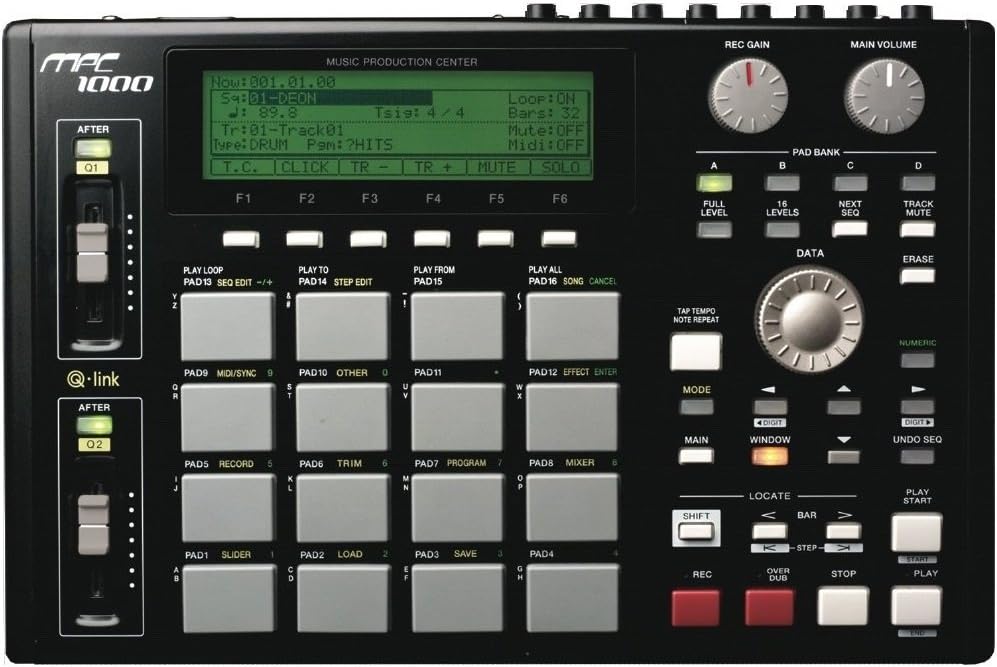
The Akai MPC1000 packs powerful music-making tools into a small, affordable machine. It features 32-voice stereo sampling, a 64-track sequencer, and 16 responsive pads for real-time playing and recording. With 16MB of built-in memory (expandable to 128MB) and the ability to save projects on a Compact Flash card, it’s easy to keep your sounds handy. Plus, you can connect it to a computer via USB to drag and drop your work quickly. Compact and rugged, the MPC1000 is perfect for producers on the go.
Roland Verselab MV-1
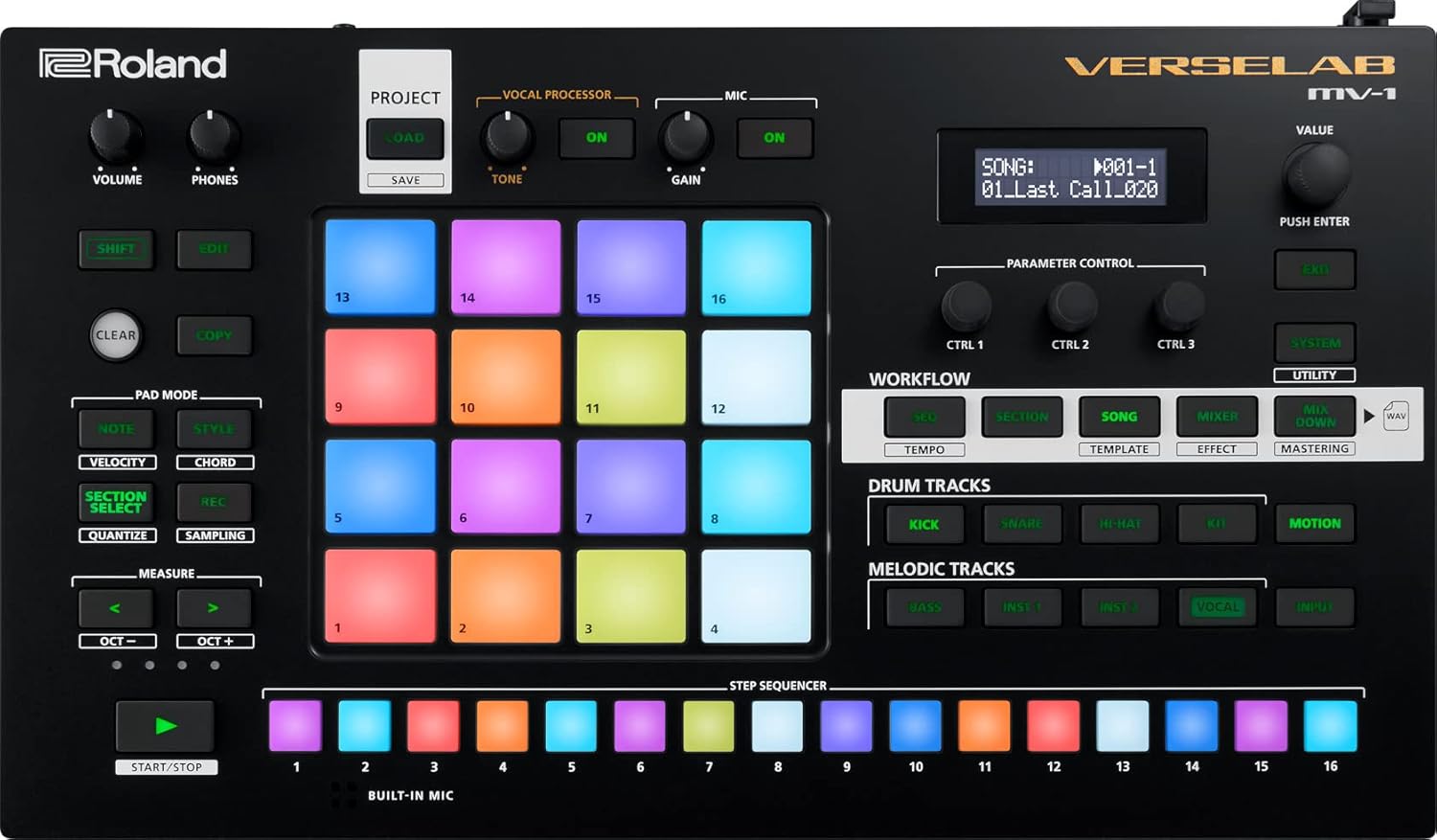
The VERSELAB MV-1 is a fun, all-in-one music studio that helps you make your own songs—from beats to vocals—right out of the box. It comes with over 3,000 cool sounds, easy-to-use tools for writing and recording music, and special effects like Auto-Pitch and harmonies. You can tap out beats with pads, record your voice, and even connect it to your phone, tablet, or computer. It's made to help anyone—beginner or pro—create awesome music without needing a bunch of extra stuff.
| Spec | Akai MPC1000 | Roland Verselab MV-1 |
|---|---|---|
| Manufacturer | Akai Professional | Roland |
| Year Released | 2003 | 2021 |
| Polyphony | 64 | 128 |
| Sample Rate | 44.1kHz | 44.1kHz |
| Storage | CompactFlash | SD card |
| Pads | 16 velocity-sensitive pads | No pads |
| Sequencer | Yes | Yes |
| Effects | EQ, Compression, Reverb | EQ, Reverb, Delay |
| I/O | MIDI In/Out, Audio In/Out | MIDI In/Out, USB, Audio In/Out |
| Screen | LCD | LCD display |
| Software Integration | MPC Software | Roland Software |
| Build | Standalone | Groovebox |
| Price | $700 used | $500 |
| More about | Details | Details |
Buy the Roland Verselab MV-1 on Amazon.com
Buy Now On AmazonRoland Verselab MV-1 vs. Akai MPC1000: The Battle of the Samplers
Summary
In this blog post, we’ll dive into the world of music production to compare two popular samplers: the Roland Verselab MV-1 and the Akai MPC1000. We’ll explore their features, pros, and cons to help you decide which sampler best suits your music-making needs.
Introduction
Imagine a world where making music is as easy as clicking a few buttons and twisting some knobs. That’s the magic of samplers! These amazing devices let musicians create beats, melodies, and full songs with just a few simple tools. Today, we’re going to compare two incredible samplers: the Roland Verselab MV-1 and the Akai MPC1000. While both are designed to help you make music, they have different features and strengths. So, let’s jump into the world of samplers and see which one might be your perfect music-making companion!
Feature Comparison
Build and Design
First, let’s talk about how these samplers look and feel. The Roland Verselab MV-1 is a groovebox, which means it’s a compact, all-in-one music production device. It’s sleek, modern, and easy to carry around. The MV-1 doesn’t have pads, which might be surprising for a sampler, but it makes up for it with a powerful sequencer and effects.
On the other hand, the Akai MPC1000 is a classic standalone sampler. It has 16 velocity-sensitive pads that are perfect for finger drumming and tapping out beats. The MPC1000 has been around since 2003, and it’s known for its robust build and reliable performance. It’s a bit bulkier than the MV-1, but those pads are a big plus for many musicians.
Sound and Polyphony
When it comes to sound, both samplers have a sample rate of 44.1kHz, which is standard for high-quality audio. However, there’s a big difference in their polyphony. The Roland Verselab MV-1 offers a whopping 128 voices of polyphony. This means you can play more notes at the same time, which is great for creating complex and layered music.
The Akai MPC1000, with its 64 voices of polyphony, offers less simultaneous playback but still provides ample room for most productions. This might be more than enough for those who focus on beat-making rather than full song arrangements.
Storage and Connectivity
Storage is crucial for any sampler because it determines how many samples and sounds you can keep on the device. The Roland Verselab MV-1 uses an SD card for storage. SD cards are widely available and easy to swap out, so you can expand your storage as needed.
Meanwhile, the Akai MPC1000 uses CompactFlash cards for storage. These are a bit older and can be harder to find, but they work well for the device. Both samplers have MIDI In/Out and audio connectivity, which means you can connect them to other musical gear and your computer.
Sequencer and Effects
Both the MV-1 and the MPC1000 come with built-in sequencers, allowing you to arrange your music tracks. The Roland Verselab MV-1’s sequencer is part of its groovebox design, offering intuitive control over your beats and melodies.
In the effects department, the MV-1 offers EQ, reverb, and delay. The Akai MPC1000 also has EQ and reverb, but instead of delay, it provides compression. These effects can add depth and character to your music, helping you craft the perfect sound.
Screen and Software Integration
When it comes to screens, both samplers have LCD displays. While they aren’t the largest or fanciest screens, they provide the necessary information for navigating and controlling the devices.
Software integration is where these samplers differ a bit. The Roland Verselab MV-1 integrates with Roland Software, offering additional functionality and control. The Akai MPC1000 works with MPC Software, which is popular among producers who love the classic MPC workflow.
Pros and Cons
Roland Verselab MV-1 Pros and Cons
Pros:
- High polyphony with 128 voices for rich, layered music
- Modern, portable groovebox design
- Easy-to-use sequencer with intuitive controls
- Expandable storage with SD cards
- Reasonable price at $500
Cons:
- No pads, which might be a downside for some users
- Limited effects compared to more comprehensive systems
Akai MPC1000 Pros and Cons
Pros:
- Classic design with 16 velocity-sensitive pads for dynamic performance
- Reliable and robust build quality
- Strong community and support for the MPC workflow
- Comprehensive effects including compression
Cons:
- Lower polyphony with 64 voices
- Uses CompactFlash cards, which are becoming less common
- Higher price at $700 used
Final Verdict
In summary, both the Roland Verselab MV-1 and the Akai MPC1000 are fantastic samplers with their own unique strengths. If you need a portable groovebox with high polyphony and easy storage options, the Roland Verselab MV-1 might be your perfect match. It’s great for musicians who want to create complex, layered music on the go.
On the other hand, if you love the feel of classic pads and want a robust standalone sampler with a solid community, the Akai MPC1000 is a great choice. It’s perfect for beatmakers who enjoy the tactile experience of finger drumming and the timeless MPC workflow.
Whichever sampler you choose, you’re sure to have a blast making music and exploring the endless possibilities these devices offer!