Akai MPC1000 — VS — Sonicware Lofi-12 XT [Limited Retro Color]
Akai MPC1000
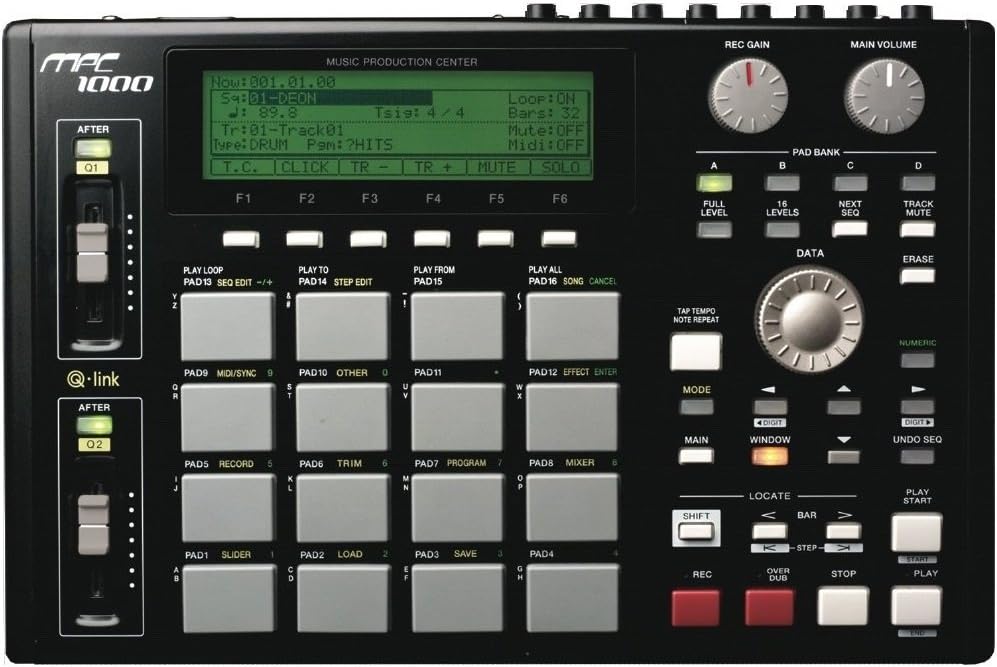
The Akai MPC1000 packs powerful music-making tools into a small, affordable machine. It features 32-voice stereo sampling, a 64-track sequencer, and 16 responsive pads for real-time playing and recording. With 16MB of built-in memory (expandable to 128MB) and the ability to save projects on a Compact Flash card, it’s easy to keep your sounds handy. Plus, you can connect it to a computer via USB to drag and drop your work quickly. Compact and rugged, the MPC1000 is perfect for producers on the go.
Sonicware Lofi-12 XT [Limited Retro Color]
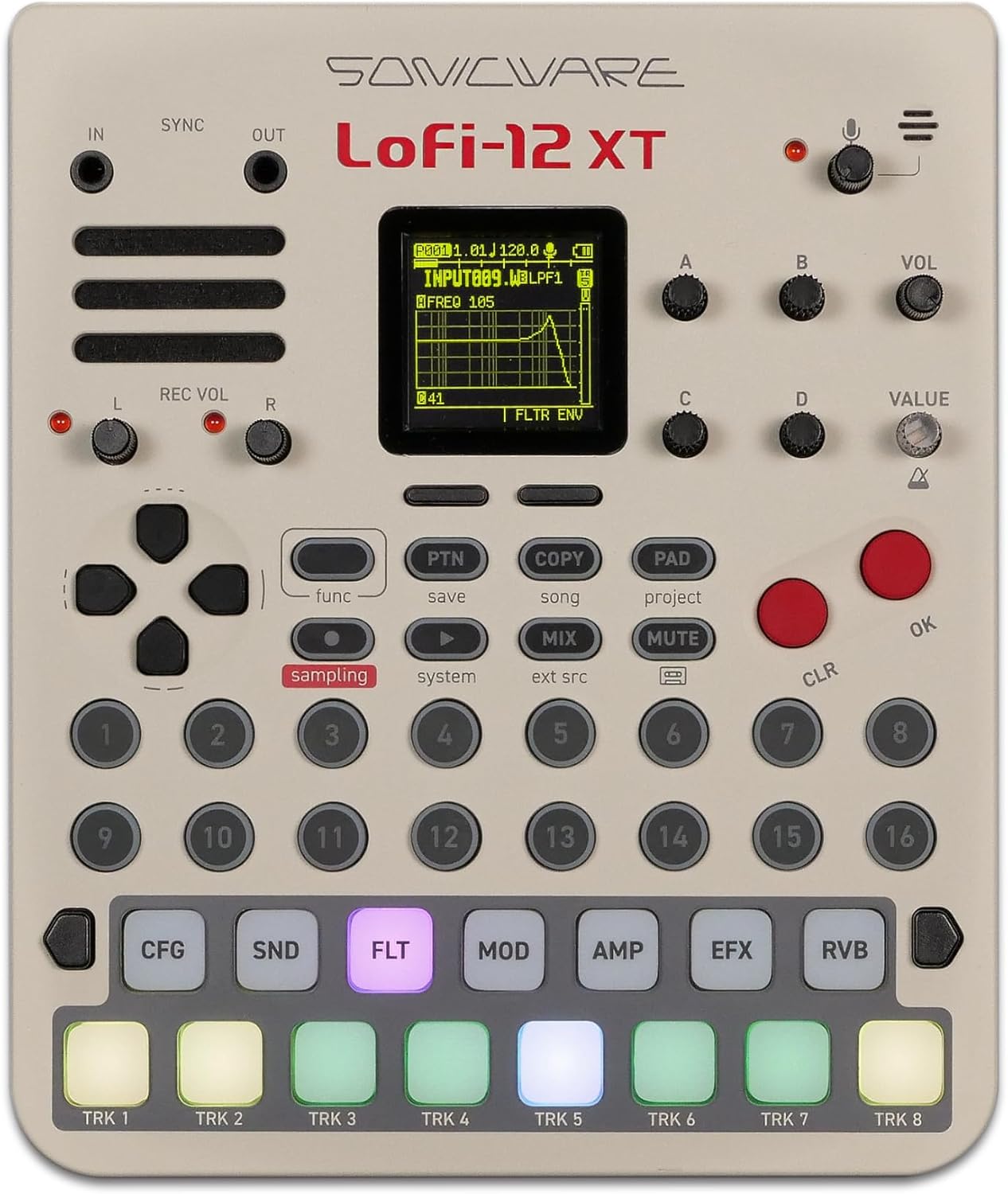
The Limited Retro Color edition of the Sonicware Lofi-12 XT offers the same creative sampling power and effects as the standard model, but with a vintage-inspired look. It's perfect for lo-fi producers looking for classic aesthetics alongside modern performance.
| Spec | Akai MPC1000 | Sonicware Lofi-12 XT [Limited Retro Color] |
|---|---|---|
| Manufacturer | Akai Professional | Sonicware |
| Year Released | 2003 | 2024 |
| Polyphony | 64 | 10 |
| Sample Rate | 44.1kHz | 12kHz / 24kHz / 48kHz |
| Storage | CompactFlash | SD card |
| Pads | 16 velocity-sensitive pads | 8 velocity-sensitive pads |
| Sequencer | Yes | Yes |
| Effects | EQ, Compression, Reverb | Reverb, Delay, Bit Crusher, Chorus, EQ |
| I/O | MIDI In/Out, Audio In/Out | Line In/Out, Headphone, MIDI In/Out, USB-C |
| Screen | LCD | OLED screen |
| Software Integration | MPC Software | None |
| Build | Standalone | Portable groovebox (Retro Color) |
| Price | $700 used | $299 |
| More about | Details | Details |
Buy the Sonicware Lofi-12 XT [Limited Retro Color] on Amazon.com
Buy Now On AmazonA Quick Summary
The Akai MPC1000 and the Sonicware Lofi-12 XT [Limited Retro Color] are two different beasts in the world of samplers. One is a trusted classic from 2003, while the other is a fresh and colorful contender from 2024. Each offers unique features that cater to different types of music creators.
Introduction
Hello, music gear explorers! Today, we’re diving into the world of samplers to compare two intriguing devices: the Akai MPC1000 and the Sonicware Lofi-12 XT [Limited Retro Color]. Whether you’re a seasoned producer or a beginner just starting your musical journey, choosing the right sampler can make a big difference in your creative process. Let’s explore what makes each of these devices special and help you decide which one might be the best fit for you.
Akai MPC1000 vs. Sonicware Lofi-12 XT: A Feature Face-off
Year of Release and Design
The Akai MPC1000 made its debut in 2003 and quickly became a favorite among producers for its rugged build and powerful capabilities. It’s a compact, standalone device that feels sturdy and reliable, making it a great choice for music makers on the move. On the other hand, the Sonicware Lofi-12 XT is a newcomer, released in 2024, and it stands out with its Limited Retro Color design. This portable groovebox offers a vintage aesthetic that’s perfect for those who love a classic look combined with modern technology.
Sound and Polyphony
When it comes to sound, the Akai MPC1000 offers a sample rate of 44.1kHz and supports 64-voice polyphony. This means you can layer more sounds without running into limitations, making it ideal for complex arrangements. In contrast, the Sonicware Lofi-12 XT provides a choice of sample rates: 12kHz, 24kHz, and 48kHz, with a polyphony of 10 voices. It’s tailored more for lo-fi music enthusiasts who appreciate a grittier, vintage sound.
Storage and Memory
Storage options are crucial for any sampler. The MPC1000 uses CompactFlash cards for storage, which might feel a bit dated but is reliable for its time. It comes with 16MB of built-in memory that can be expanded to 128MB. The Lofi-12 XT, however, uses SD cards, a more modern and accessible option, allowing for easy storage expansion.
Pads and Sequencer
Both samplers offer velocity-sensitive pads, letting you play your samples dynamically. The MPC1000 comes with 16 pads, doubling the number that the Lofi-12 XT offers with its 8 pads. This gives the MPC1000 an edge for those who love finger drumming and creating complex rhythms. Both devices include a sequencer, but the MPC1000’s 64-track sequencer is a standout feature for intricate compositions.
Built-in Effects
Effects can add magic to your tracks, and both samplers offer a variety of them. The MPC1000 includes EQ, Compression, and Reverb, which are essential for shaping your sound. Meanwhile, the Lofi-12 XT has a more diverse range of effects such as Reverb, Delay, Bit Crusher, Chorus, and EQ, catering to those who want to experiment with different textures.
Connectivity and Integration
In terms of connectivity, the MPC1000 provides MIDI In/Out and Audio In/Out, with the ability to connect to a computer via USB for easy file management. It integrates with MPC Software, which can be a huge plus for users familiar with the Akai ecosystem. Conversely, the Lofi-12 XT offers Line In/Out, Headphone, MIDI In/Out, and USB-C connections, but lacks specific software integration, aiming for a standalone experience.
Display and User Interface
The Akai MPC1000 features an LCD screen, which is functional but not as vibrant as modern displays. The Lofi-12 XT boasts an OLED screen, offering clearer visuals and making it easier to navigate through menus and settings.
Pros and Cons
Akai MPC1000
Pros:
- Robust Polyphony: With 64-voice polyphony, it’s perfect for complex compositions.
- Extensive Sequencer: The 64-track sequencer offers deep compositional capabilities.
- Durable Build: Designed for portability and durability.
- Software Integration: Connects smoothly with MPC Software for extended capabilities.
Cons:
- Older Storage Medium: Uses CompactFlash, which is less common today.
- Lacks Modern Connectivity: No USB-C or advanced display features.
Sonicware Lofi-12 XT
Pros:
- Modern Aesthetic: Retro Color design with a modern twist.
- Versatile Effects: Offers a diverse range of creative audio effects.
- Contemporary Connectivity: Includes USB-C and SD card support.
- Affordable Price: More budget-friendly at $299.
Cons:
- Limited Polyphony: 10-voice polyphony may restrict more complex arrangements.
- Fewer Pads: 8 pads may limit real-time performance capabilities.
Final Verdict
Both the Akai MPC1000 and the Sonicware Lofi-12 XT [Limited Retro Color] have their unique strengths. The MPC1000 is a powerhouse for those seeking depth in their arrangements and software integration, making it ideal for experienced producers who need reliability and versatility. Meanwhile, the Lofi-12 XT is perfect for modern creators who love experimenting with effects and appreciate the retro aesthetic. It’s an excellent choice for lo-fi enthusiasts and those on a budget.
Ultimately, your choice will depend on your specific needs and creative goals. Whether you’re crafting intricate beats or exploring lo-fi soundscapes, there’s a sampler here that can help you bring your musical ideas to life.