Akai MPC1000 — VS — Synthstrom Deluge
Akai MPC1000
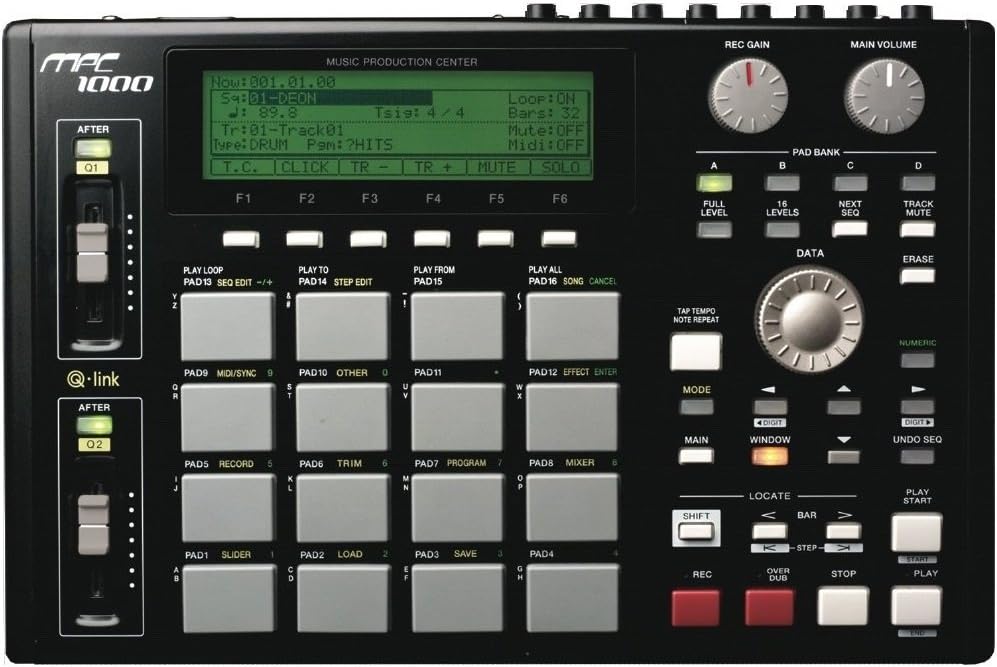
The Akai MPC1000 packs powerful music-making tools into a small, affordable machine. It features 32-voice stereo sampling, a 64-track sequencer, and 16 responsive pads for real-time playing and recording. With 16MB of built-in memory (expandable to 128MB) and the ability to save projects on a Compact Flash card, it’s easy to keep your sounds handy. Plus, you can connect it to a computer via USB to drag and drop your work quickly. Compact and rugged, the MPC1000 is perfect for producers on the go.
Synthstrom Deluge
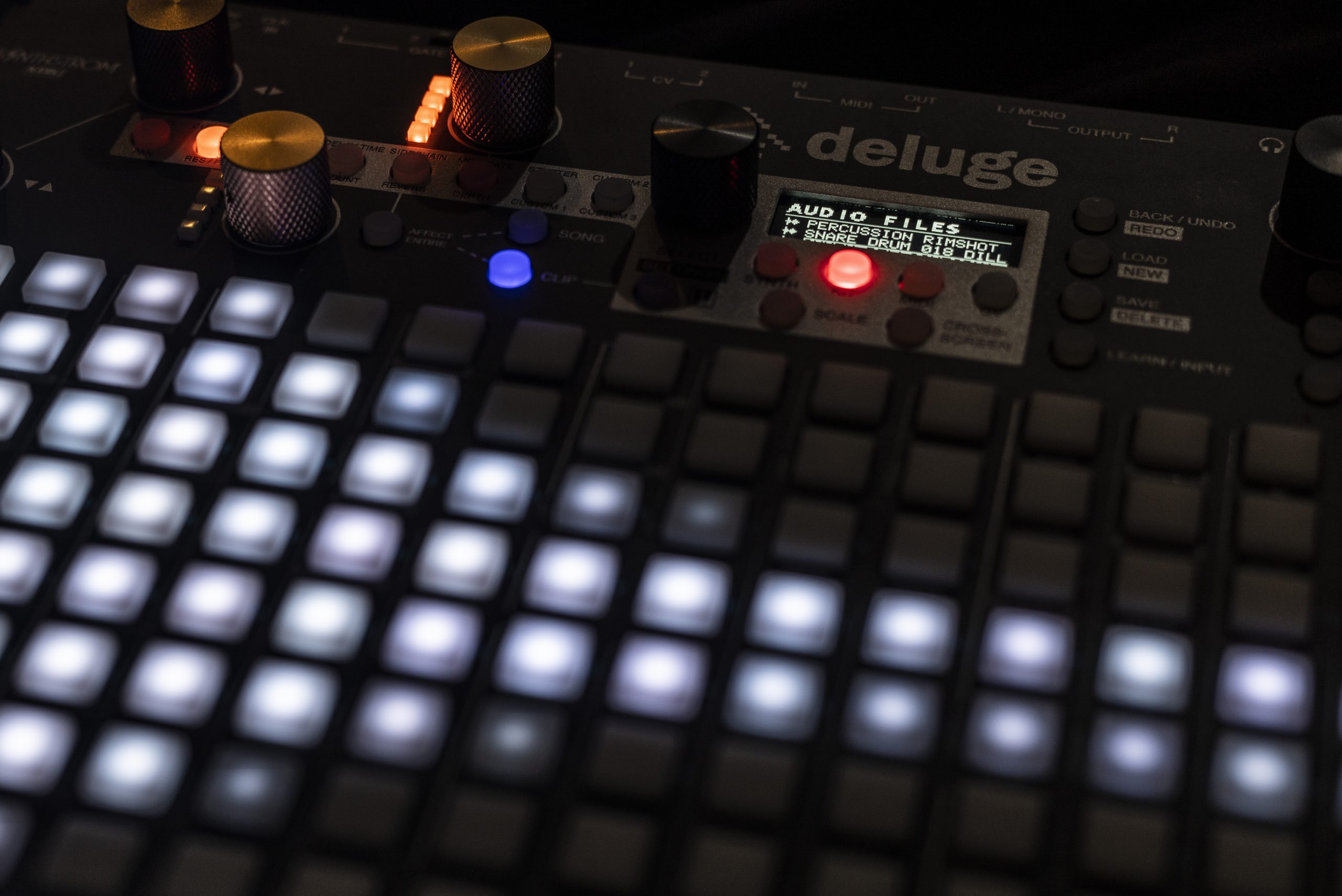
The Synthstrom Deluge is a powerful all-in-one music production workstation that combines a synthesizer, sampler, sequencer, and audio looper in a compact, portable design. Featuring a versatile internal synth engine (subtractive, wavetable, and FM), deep modulation capabilities, and MPE support, it allows for rich sound design and expressive control. Its 128-pad interface enables piano-roll-style sequencing, live performance, and arranging with features like Euclidean sequencing, probability, and advanced timing options. The Deluge streams samples directly from SD, supports multisampling and resampling, and includes robust live looping tools with seamless overdubbing. With extensive connectivity (CV/gate, MIDI, USB), a built-in mic and speaker, and a rechargeable battery for standalone operation, the Deluge is a fully self-contained music creation tool designed for both studio composition and live performance.
| Spec | Akai MPC1000 | Synthstrom Deluge |
|---|---|---|
| Manufacturer | Akai Professional | Synthstrom Audible |
| Year Released | 2003 | 2017 |
| Polyphony | 64 | 128 |
| Sample Rate | 44.1kHz | 44.1kHz |
| Storage | CompactFlash | MicroSD card |
| Pads | 16 velocity-sensitive pads | No pads, uses buttons and keyboard |
| Sequencer | Yes | Yes |
| Effects | EQ, Compression, Reverb | Multiple effects |
| I/O | MIDI In/Out, Audio In/Out | MIDI In/Out, USB, Audio In/Out |
| Screen | LCD | LCD display |
| Software Integration | MPC Software | No |
| Build | Standalone | Standalone sampler/synth/sequencer |
| Price | $700 used | $1529 |
| More about | Details | Details |
Buy the Synthstrom Deluge on Amazon.com
Buy Now On AmazonSynthstrom Deluge vs. Akai MPC1000: A Battle of Beat-Making Titans
Summary: This detailed comparison explores the Synthstrom Deluge and the Akai MPC1000, focusing on their unique features, pros, and cons. Discover which sampler best suits your music-making needs.
Introduction
Hello, music lovers and gear enthusiasts! Today, we’re diving into the world of music samplers, exploring two popular devices: the Synthstrom Deluge and the Akai MPC1000. These two samplers are beloved by musicians for their unique capabilities and have been instrumental in countless creative projects. Whether you’re a budding producer or a seasoned beat-maker, choosing the right sampler can make a huge difference in your music-making journey. Let’s explore what makes each of these devices special and which one might be the best fit for you.
A Look at Their Features
Synthstrom Deluge
The Synthstrom Deluge is a powerful device that was released in 2017 by Synthstrom Audible. It’s a standalone sampler, synth, and sequencer all rolled into one. This compact yet mighty machine boasts an impressive polyphony of 128 voices, allowing for complex and layered compositions. It uses a MicroSD card for storage, which means you can easily expand its memory and carry around a massive library of sounds.
One of the standout features of the Synthstrom Deluge is its versatility. With multiple effects and a built-in sequencer, you can create intricate patterns and rich soundscapes. While it doesn’t have traditional pads, it uses buttons and a keyboard, which some musicians find more intuitive for playing melodies and programming beats. Its LCD display helps you navigate through its many features.
However, the Deluge doesn’t integrate with external software, which means you’ll be working entirely within its ecosystem. For those who love the idea of a self-contained music-making device, this might be perfect. Its price point is higher, sitting at $2000, but many users feel that the investment is worth it for its capabilities and build quality.
Akai MPC1000
The Akai MPC1000, introduced in 2003 by Akai Professional, is a classic in the world of music production. Known for its iconic 16 velocity-sensitive pads, this sampler is perfect for those who love to bang out beats. With 64-note polyphony, it might not match the Deluge’s capability in terms of voice count, but it still packs a punch for most musical needs.
Storage on the MPC1000 is handled through CompactFlash cards, which were more common in the early 2000s. This might seem a bit dated now, but it’s a reliable storage solution that many users still appreciate. The MPC1000 also features a sequencer, along with effects like EQ, compression, and reverb, giving you the tools to shape your sound.
Where the MPC1000 really shines is its integration with MPC Software, allowing you to easily bring your beats into a digital audio workstation (DAW) for further editing and production. This, combined with its affordable price of around $700 on the used market, makes it an attractive option for budget-conscious musicians who want a reliable and powerful sampler.
Pros and Cons
Synthstrom Deluge
Pros:
- High Polyphony: With 128 voices, you can create complex and layered music.
- Versatile Features: Combines a sampler, synth, and sequencer in one device.
- Expandable Storage: Uses MicroSD cards for easy memory expansion.
- Multiple Effects: Offers a wide range of effects to shape your sound.
Cons:
- Pricey: At $2000, it’s a higher investment.
- No Software Integration: Lacks integration with external software, limiting flexibility.
Akai MPC1000
Pros:
- Iconic Pads: 16 velocity-sensitive pads are perfect for beat-making.
- Software Integration: Easily integrates with MPC Software for further production.
- Affordable: Priced at $700 used, it’s budget-friendly.
- Reliable Build: Known for its sturdy and durable design.
Cons:
- Lower Polyphony: 64-note polyphony may limit more complex compositions.
- Older Storage Method: Uses CompactFlash, which may seem outdated to some.
Final Verdict
So, which sampler is right for you? The Synthstrom Deluge is ideal for musicians who want a versatile, self-contained device with a high polyphony and extensive features. It’s perfect for those who prefer to work entirely within a standalone system and are willing to invest in a premium tool.
On the other hand, the Akai MPC1000 is perfect for beat-makers who value the tactile experience of playing on pads and want the flexibility of software integration. It’s also a great choice for those on a budget who still want a reliable and classic sampler.
In the end, both the Synthstrom Deluge and the Akai MPC1000 have their own strengths and are beloved by musicians around the world. Your choice will depend on your specific needs, preferences, and budget. Happy music-making!