Akai MPC1000 — VS — Teenage Engineering EP-1320 Medieval Sampler
Akai MPC1000
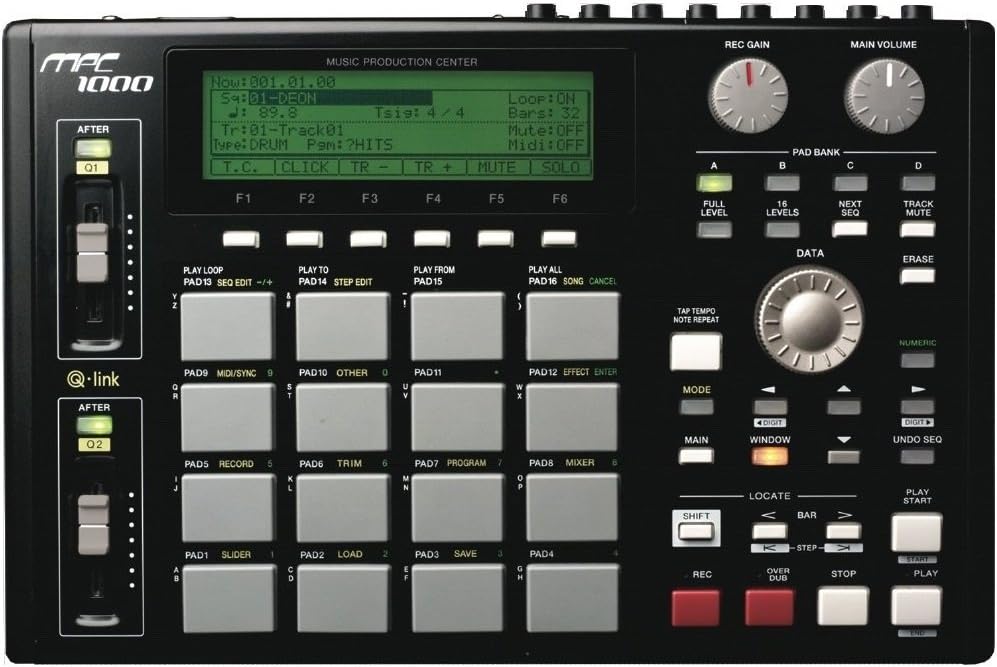
The Akai MPC1000 packs powerful music-making tools into a small, affordable machine. It features 32-voice stereo sampling, a 64-track sequencer, and 16 responsive pads for real-time playing and recording. With 16MB of built-in memory (expandable to 128MB) and the ability to save projects on a Compact Flash card, it’s easy to keep your sounds handy. Plus, you can connect it to a computer via USB to drag and drop your work quickly. Compact and rugged, the MPC1000 is perfect for producers on the go.
Teenage Engineering EP-1320 Medieval Sampler
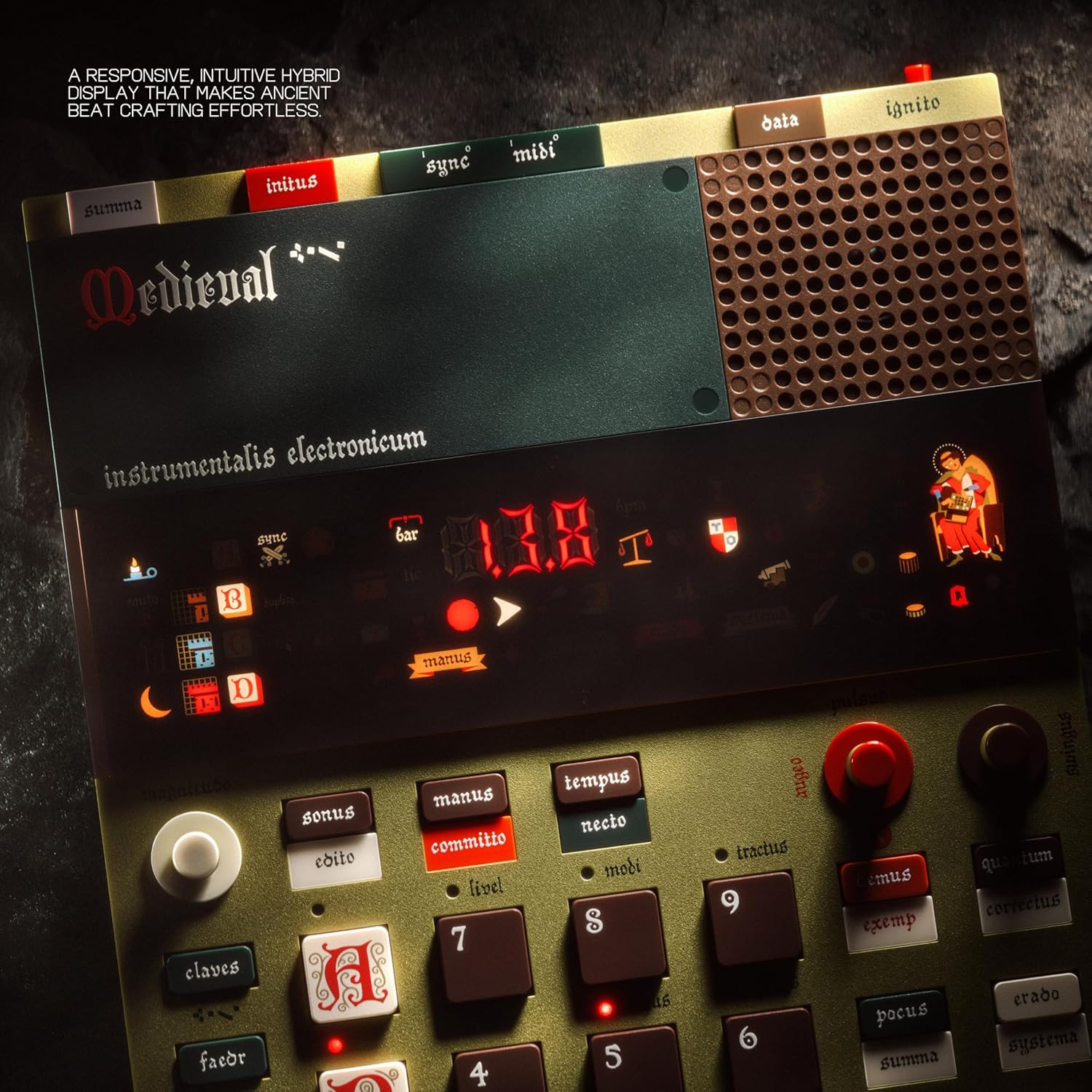
The Teenage Engineering EP-1320 Medieval Sampler is a concept sampler built around a playful and whimsical medieval theme. While details are limited, it appears to be a creative tool for experimental sound design and live fun, as part of TE's quirky product line.
| Spec | Akai MPC1000 | Teenage Engineering EP-1320 Medieval Sampler |
|---|---|---|
| Manufacturer | Akai Professional | Teenage Engineering |
| Year Released | 2003 | 2024 |
| Polyphony | 64 | Unknown |
| Sample Rate | 44.1kHz | Unknown |
| Storage | CompactFlash | Unknown |
| Pads | 16 velocity-sensitive pads | Keys + knobs |
| Sequencer | Yes | Yes |
| Effects | EQ, Compression, Reverb | Yes |
| I/O | MIDI In/Out, Audio In/Out | Unknown |
| Screen | LCD | Unknown |
| Software Integration | MPC Software | Likely USB or companion app |
| Build | Standalone | Boutique novelty sampler |
| Price | $700 used | $499 (est.) |
| More about | Details | Details |
Buy the Teenage Engineering EP-1320 Medieval Sampler on Amazon.com
Buy Now On AmazonComparing the Akai MPC1000 and Teenage Engineering EP-1320 Medieval Sampler: A Deep Dive into Two Unique Music Machines
Welcome to our blog post where we dive into the fascinating world of music samplers! Today, we’re taking a closer look at two very different devices: the Akai MPC1000 and the Teenage Engineering EP-1320 Medieval Sampler. Both of these samplers have their own special features, and we’re here to help you understand what makes each one unique. By the end of this post, you’ll have a clear idea of which sampler might be the best fit for you.
Introduction to Samplers
Before we jump into the comparison, let’s talk a little about what samplers are. A sampler is like a musical instrument that can record sounds (or samples) and play them back. It’s like having a miniature recording studio that fits in your backpack! Musicians use samplers to create beats, melodies, and even entire songs. They are tools for creativity, allowing artists to experiment with sounds and rhythms in new ways.
Meet the Akai MPC1000
First up is the Akai MPC1000. This sampler has been around since 2003 and is known for its power and portability. It’s a favorite among producers who need a reliable machine for creating music on the go. The MPC1000 comes with 16 velocity-sensitive pads that make playing and recording beats easy and fun. It also has a 64-track sequencer, which means you can create complex musical arrangements right on the device.
Features of the Akai MPC1000
- Polyphony and Sample Rate: The MPC1000 has a polyphony of 64 voices, which means it can play up to 64 different sounds at once. Its sample rate is 44.1kHz, giving you CD-quality sound.
- Storage: It uses CompactFlash cards for storage, allowing you to save and transport your sounds easily.
- Effects: This sampler includes EQ, compression, and reverb effects, which help you shape your sound.
- Connectivity: With MIDI In/Out and Audio In/Out, you can connect the MPC1000 to other devices and instruments. It also integrates with MPC Software for added flexibility.
- Build and Price: This standalone unit is compact and rugged, perfect for traveling musicians. You can find used units for around $700.
Pros and Cons of the Akai MPC1000
Pros:
- Powerful and versatile with 64-track sequencing
- High-quality sound with 44.1kHz sample rate
- Portable and durable design
Cons:
- Being an older model, it may lack some modern features
- The price for used units can vary
Introducing the Teenage Engineering EP-1320 Medieval Sampler
Next, we have the Teenage Engineering EP-1320 Medieval Sampler. Released in 2024, this sampler is still somewhat of a mystery, but it promises a playful and whimsical experience. Teenage Engineering is known for their quirky and innovative products, and the EP-1320 is no exception. It’s designed for experimental sound design and live performances, making it a fun tool for creative musicians.
Features of the Teenage Engineering EP-1320 Medieval Sampler
- Design and Build: This boutique novelty sampler is inspired by a medieval theme, adding a unique twist to sound creation.
- Controls: Instead of pads, it features keys and knobs, giving you different ways to interact with your sounds.
- Effects and Sequencer: While details are limited, it includes effects and a sequencer for arranging your music.
- Software Integration: Likely integrates with a companion app or USB, though specifics are still unknown.
- Price: Estimated at $499, it offers an affordable entry into the world of Teenage Engineering products.
Pros and Cons of the Teenage Engineering EP-1320 Medieval Sampler
Pros:
- Unique and fun design with a medieval theme
- Affordable price point
- Great for experimental sound design
Cons:
- Many features remain unknown
- May not have the same depth of functionality as more established samplers
Feature Face-off
When comparing these two samplers, it’s clear they cater to different needs and tastes.
Sound and Polyphony
The Akai MPC1000 stands out with its 64-voice polyphony and 44.1kHz sample rate, providing clear and high-quality sound. In contrast, the polyphony and sample rate of the EP-1320 are unknown, leaving some questions about its sound capabilities.
Storage and Connectivity
For storage, the MPC1000 uses CompactFlash, which is reliable and easy to use. The EP-1320’s storage system is still a mystery, which might be a concern for those needing ample space for samples. Connectivity-wise, the MPC1000 offers MIDI and audio connections, while the EP-1320 likely relies on USB or a companion app, though specifics are lacking.
Effects and Sequencing
Both samplers come with effects and sequencing capabilities. The MPC1000 includes EQ, compression, and reverb, useful for polishing your sound. The EP-1320’s effects are not detailed yet, but given Teenage Engineering’s history, they are likely creative and unique.
Design and Usability
The MPC1000’s traditional design with pads is familiar to many producers, making it user-friendly. The EP-1320 opts for a more experimental approach with keys and knobs, which might appeal to those looking for something different.
Conclusion: Who Are These Samplers For?
In summary, the Akai MPC1000 is a solid choice for producers who need a reliable and powerful sampler. Its robust features and sound quality make it a great tool for both studio and live settings.
On the other hand, the Teenage Engineering EP-1320 Medieval Sampler is ideal for musicians seeking a fun and creative device. Its affordable price and unique design make it an attractive option for those exploring new musical landscapes.
Final Verdict
If you’re a serious producer looking for a tried-and-true machine, the Akai MPC1000 is your best bet. Its performance and versatility make it a staple in any music setup. However, if you’re more interested in experimenting with sounds and having fun with music creation, the Teenage Engineering EP-1320 might be the perfect fit. Its playful design and potential for creativity are sure to inspire.
Both samplers offer something special, so consider your needs and musical goals to choose the right one for you. Happy sampling!