Akai MPC1000 — VS — Teenage Engineering EP-133 K.O. II Sampler
Akai MPC1000
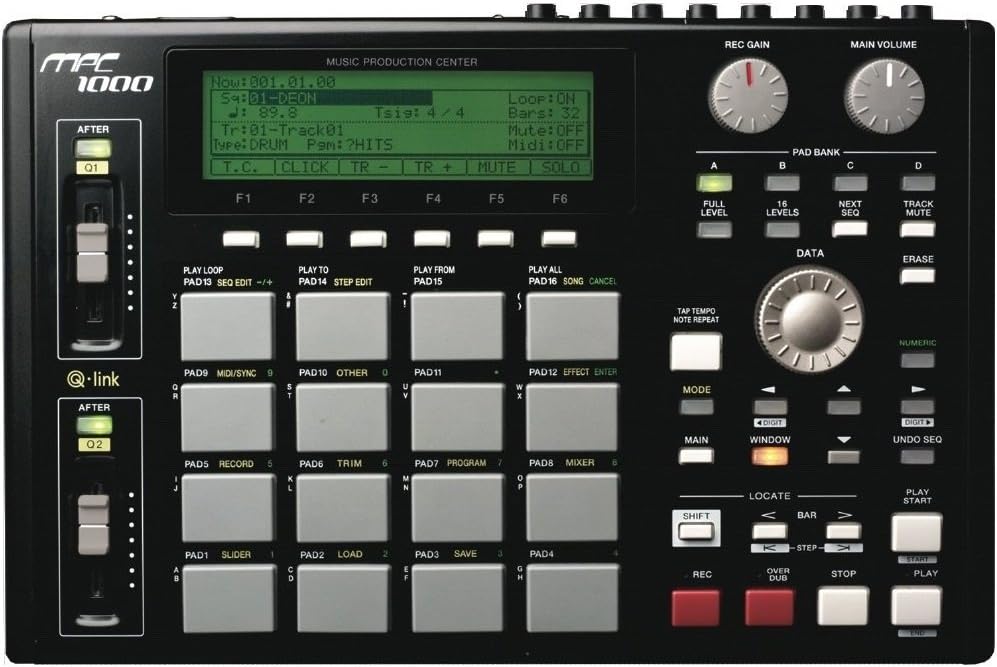
The Akai MPC1000 packs powerful music-making tools into a small, affordable machine. It features 32-voice stereo sampling, a 64-track sequencer, and 16 responsive pads for real-time playing and recording. With 16MB of built-in memory (expandable to 128MB) and the ability to save projects on a Compact Flash card, it’s easy to keep your sounds handy. Plus, you can connect it to a computer via USB to drag and drop your work quickly. Compact and rugged, the MPC1000 is perfect for producers on the go.
Teenage Engineering EP-133 K.O. II Sampler
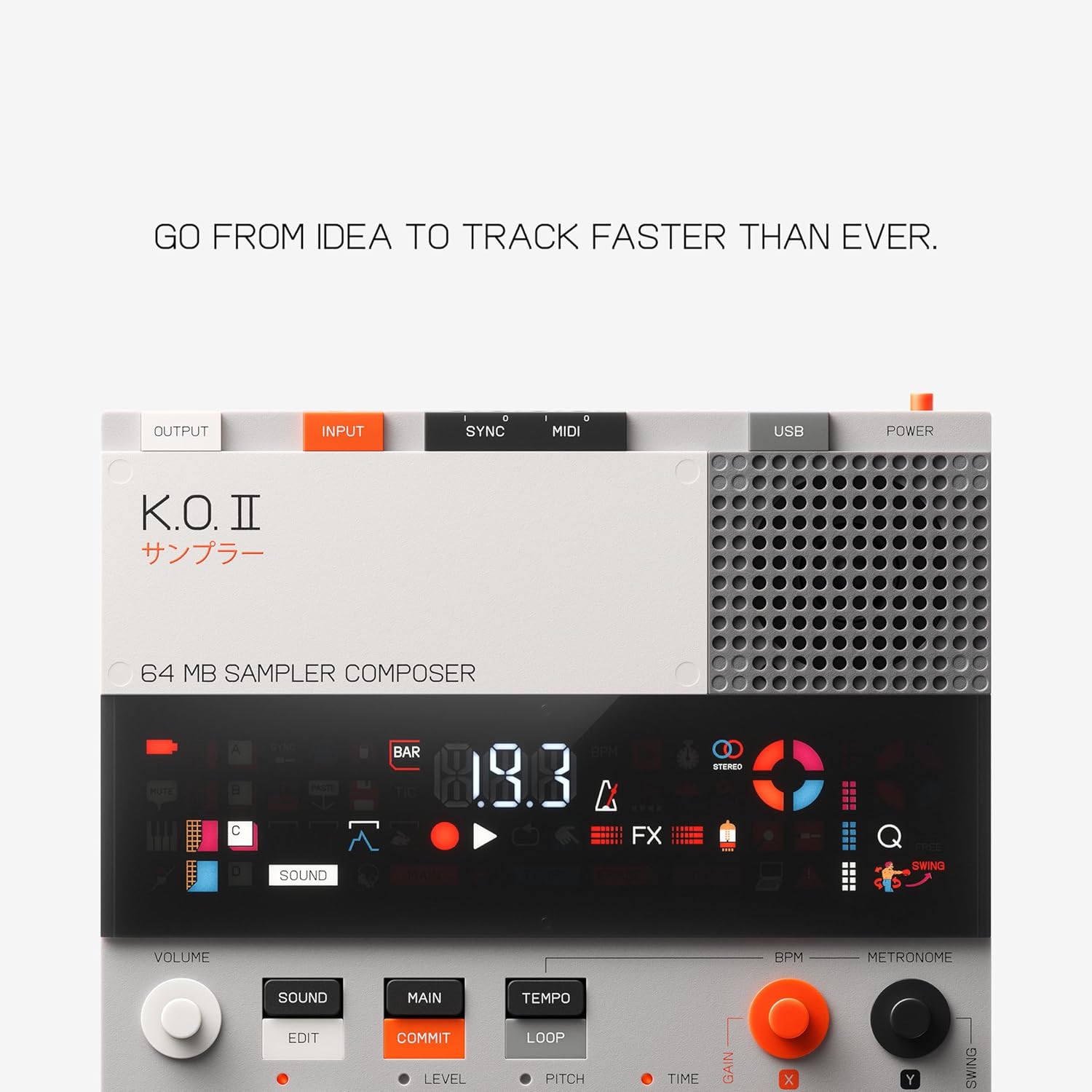
The EP-133 K.O. II is Teenage Engineering's next-gen portable sampler. It features punchy pads, step sequencing, powerful FX, and sample warping—all in a stylish and compact design. It's a fantastic upgrade from the original PO-33 for musicians looking for portability and hands-on performance.
| Spec | Akai MPC1000 | Teenage Engineering EP-133 K.O. II Sampler |
|---|---|---|
| Manufacturer | Akai Professional | Teenage Engineering |
| Year Released | 2003 | 2023 |
| Polyphony | 64 | Polyphonic (unspecified) |
| Sample Rate | 44.1kHz | 16-bit / 46.875kHz |
| Storage | CompactFlash | Internal + microSD |
| Pads | 16 velocity-sensitive pads | 16 velocity-sensitive pads |
| Sequencer | Yes | Yes |
| Effects | EQ, Compression, Reverb | Filter, Delay, Reverb, Compression |
| I/O | MIDI In/Out, Audio In/Out | USB-C, Line In/Out, MIDI via TRS |
| Screen | LCD | OLED display |
| Software Integration | MPC Software | Minimal, plug-and-play |
| Build | Standalone | Durable plastic housing with step sequencer |
| Price | $700 used | $299 |
| More about | Details | Details |
Buy the Teenage Engineering EP-133 K.O. II Sampler on Amazon.com
Buy Now On AmazonAkai MPC1000 vs. Teenage Engineering EP-133 K.O. II Sampler: Which One is Right for You?
Summary: The Akai MPC1000 and the Teenage Engineering EP-133 K.O. II Sampler are both popular choices for music producers, each with unique strengths. The MPC1000 is a classic, robust machine perfect for studio work, while the EP-133 K.O. II is a portable powerhouse ideal for musicians on the go.
Introduction
Hey there, music lovers! Today we’re diving into the world of samplers, comparing two exciting devices that have captured the hearts of producers everywhere: the classic Akai MPC1000 and the modern Teenage Engineering EP-133 K.O. II Sampler. Whether you’re new to music production or a seasoned pro, choosing the right sampler can make a big difference in your creative process. Let’s take a closer look at these two samplers to see which one might be the best fit for you.
Feature Comparison
Sound and Sampling
The Akai MPC1000 is known for its high-quality sound production. With a sample rate of 44.1kHz, it offers clear and precise audio. It also boasts a polyphony of 64, meaning you can play up to 64 notes at once, making it a powerhouse for complex compositions.
On the other hand, the Teenage Engineering EP-133 K.O. II Sampler comes with a 16-bit / 46.875kHz sample rate. While slightly less than the MPC1000 in terms of technical specs, it still delivers impressive sound quality. Its polyphony is unspecified, but it is designed to handle multiple layers of sound, perfect for live performances and on-the-go creativity.
Storage and Connectivity
When it comes to storage, the MPC1000 uses CompactFlash cards, allowing you to expand your storage as needed. The device also features MIDI In/Out and Audio In/Out, facilitating extensive connectivity options for studio setups.
The EP-133 K.O. II, however, offers both internal storage and the option to expand with a microSD card. This makes it incredibly convenient for saving and transferring your work. Connectivity is modernized with USB-C and Line In/Out, along with MIDI via TRS, ensuring you can easily integrate it into various setups.
Pads and Effects
Both samplers feature 16 velocity-sensitive pads, giving you a tactile and responsive way to play and program your beats. The MPC1000 includes effects like EQ, Compression, and Reverb, which are essential for shaping your sound in the studio.
The EP-133 K.O. II also impresses with its effects, offering Filter, Delay, Reverb, and Compression. Its step sequencer makes it especially appealing for live performances, allowing you to create dynamic soundscapes on the fly.
Build and Design
The Akai MPC1000 is a standalone, rugged machine, perfect for heavy studio use. It’s designed to withstand the rigors of travel and frequent use, making it a reliable choice for producers who need durability.
In contrast, the EP-133 K.O. II stands out with its stylish and compact design. Made from durable plastic, it’s lightweight and portable, ideal for musicians who are always on the move.
Screen and Software Integration
The MPC1000 features an LCD screen that provides clear navigation through its menus and settings. It also integrates with MPC Software, giving you additional tools and options for your productions.
The EP-133 K.O. II uses an OLED display, which is bright and easy to read. Its software integration is minimal but effective, with a plug-and-play setup that keeps things simple and intuitive.
Pros and Cons
Akai MPC1000
Pros:
- High sample rate and polyphony
- Robust and durable design
- Extensive connectivity options
- Good software integration with MPC Software
Cons:
- Higher price point, especially for a used model
- Larger and less portable compared to modern alternatives
Teenage Engineering EP-133 K.O. II Sampler
Pros:
- Compact and portable design
- Affordable price
- Modern connectivity options
- Great for live performances
Cons:
- Lower sample rate compared to the MPC1000
- Limited software integration
Summary
Both the Akai MPC1000 and the Teenage Engineering EP-133 K.O. II Sampler have their unique strengths. The MPC1000 is perfect for producers who need a reliable studio machine, while the EP-133 K.O. II is great for those who value portability and modern design.
Final Verdict
If you’re a studio-based producer looking for a classic, reliable machine with high-quality sound, the Akai MPC1000 is your best bet. However, if you’re a musician who needs a portable, live-performance-friendly device, the Teenage Engineering EP-133 K.O. II Sampler is a fantastic choice. Ultimately, your decision should depend on your specific needs and how you plan to use the sampler in your music-making journey.