Akai MPC1000 — VS — Teenage Engineering OP-1 Field
Akai MPC1000
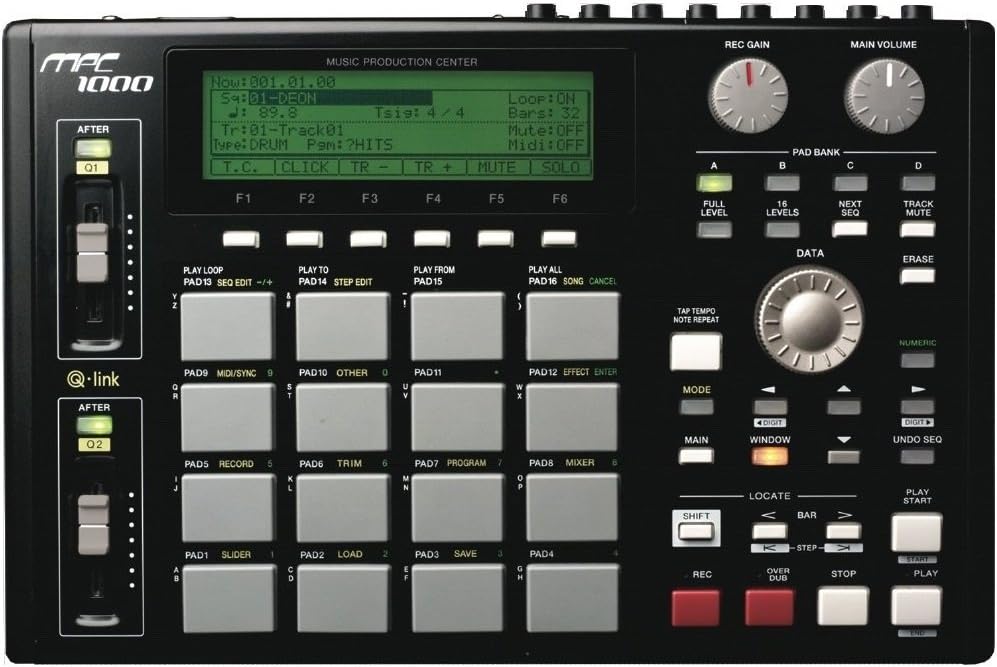
The Akai MPC1000 packs powerful music-making tools into a small, affordable machine. It features 32-voice stereo sampling, a 64-track sequencer, and 16 responsive pads for real-time playing and recording. With 16MB of built-in memory (expandable to 128MB) and the ability to save projects on a Compact Flash card, it’s easy to keep your sounds handy. Plus, you can connect it to a computer via USB to drag and drop your work quickly. Compact and rugged, the MPC1000 is perfect for producers on the go.
Teenage Engineering OP-1 Field
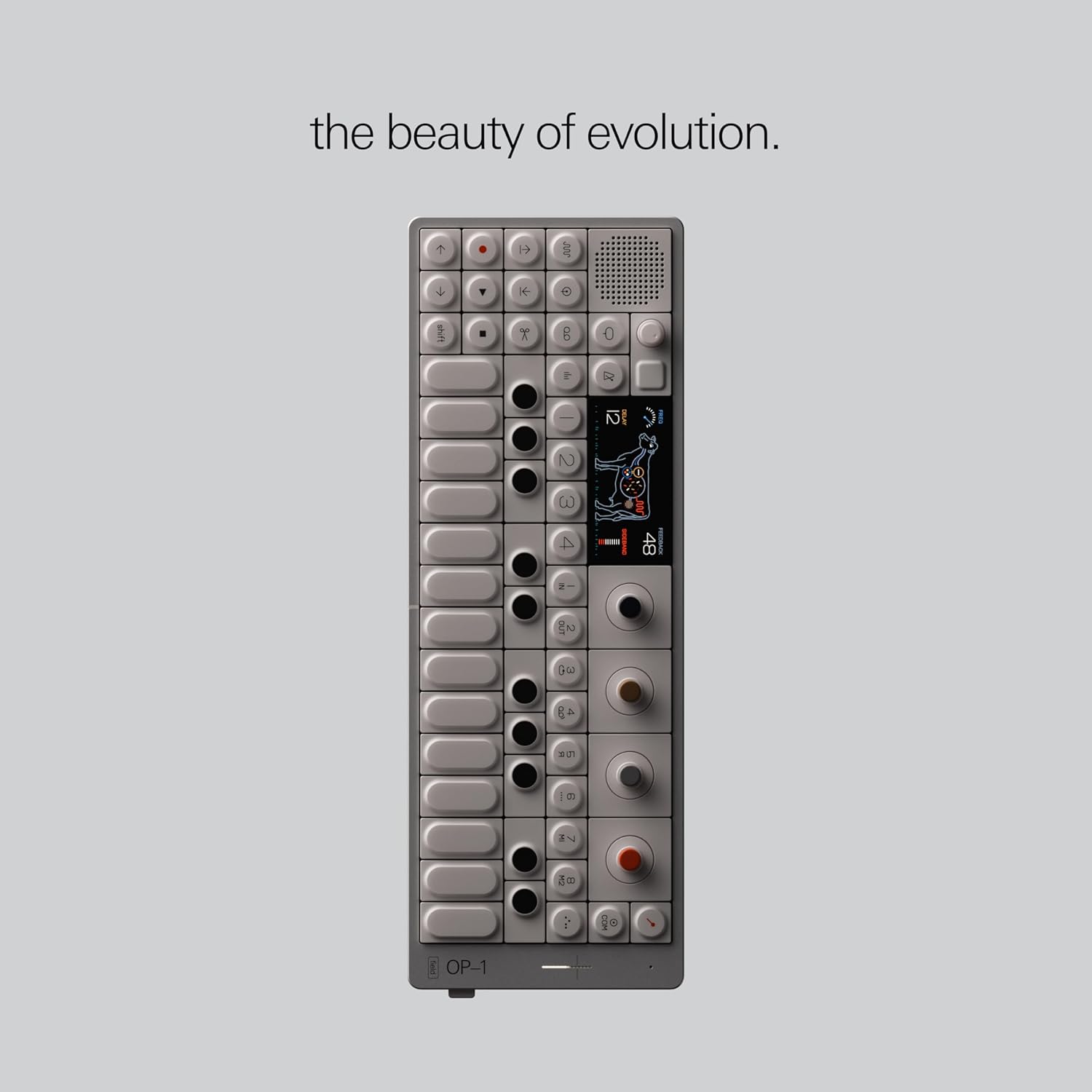
The OP-1 Field is a super cool, all-in-one music maker you can take anywhere. It's small, strong, and sounds amazing. You can play music, record sounds, and mix it all together right on the device. It has a bright screen, loud speakers, and even velcro on the back to add fun stuff. You can connect it to your phone or computer, and it works great with other music gear too. Whether you're at home or outside, it's ready to help you create awesome music.
| Spec | Akai MPC1000 | Teenage Engineering OP-1 Field |
|---|---|---|
| Manufacturer | Akai Professional | Teenage Engineering |
| Year Released | 2003 | 2022 |
| Polyphony | 64 | 8 |
| Sample Rate | 44.1kHz | 44.1kHz |
| Storage | CompactFlash | Internal storage |
| Pads | 16 velocity-sensitive pads | No pads, uses buttons |
| Sequencer | Yes | Yes |
| Effects | EQ, Compression, Reverb | Multiple effects |
| I/O | MIDI In/Out, Audio In/Out | USB Audio, MIDI |
| Screen | LCD | OLED display |
| Software Integration | MPC Software | No |
| Build | Standalone | Portable synth/sampler/sequencer |
| Price | $700 used | $1999 |
| More about | Details | Details |
Buy the Teenage Engineering OP-1 Field on Amazon.com
Buy Now On AmazonTeenage Engineering OP-1 Field vs. Akai MPC1000: A Comprehensive Comparison
Summary: In this blog post, we will explore two popular music production tools: the Teenage Engineering OP-1 Field and the Akai MPC1000. We’ll dive into their features, advantages, and disadvantages to help you determine which one might be the right fit for your music-making needs.
Introduction
If you love creating music, you know how important it is to have the right tools. Today, we’re looking at two exciting instruments: the Teenage Engineering OP-1 Field and the Akai MPC1000. They both help musicians make amazing sounds, but they do it in different ways. Whether you’re a beginner or a seasoned pro, choosing between these two devices can be tough. Let’s dive into what makes each one special and see which one might be best for you.
Feature Comparisons
Design and Build
Teenage Engineering OP-1 Field:
The OP-1 Field is like a tiny spaceship for music! It’s a hybrid synth, sampler, and sequencer, all packed into a small, portable device. With its OLED screen, it looks modern and sleek. This device is perfect for musicians who are always on the go, thanks to its lightweight build and internal storage.
Akai MPC1000:
The MPC1000, on the other hand, is like the classic car of music gear. It’s a standalone sampler that feels solid and sturdy. It has a more traditional look with its LCD screen and compact design. The MPC1000 might not be as portable as the OP-1 Field, but it’s a trusted tool for many producers.
Sound and Polyphony
Teenage Engineering OP-1 Field:
The OP-1 Field offers 8 voices of polyphony. This means you can play up to 8 notes at the same time. It’s great for creating layered sounds and complex arrangements. The sample rate is 44.1kHz, which is standard for high-quality audio.
Akai MPC1000:
The MPC1000 offers a whopping 64 voices of polyphony! This makes it a powerhouse for those who want to create dense and rich musical textures. Like the OP-1 Field, it also has a sample rate of 44.1kHz, ensuring your music sounds crisp and clear.
Pads and Controls
Teenage Engineering OP-1 Field:
The OP-1 Field doesn’t have traditional pads. Instead, it uses buttons for controlling sounds and sequences. Some musicians find this unique workflow inspiring, while others might miss the tactile feel of pads.
Akai MPC1000:
The MPC1000 is famous for its 16 velocity-sensitive pads. These pads are perfect for banging out beats and triggering samples. For many, the pads are the heart of the MPC experience, offering a hands-on approach to music-making.
Effects and Sequencing
Teenage Engineering OP-1 Field:
With multiple effects, the OP-1 Field lets you get creative with your sounds. It also has a built-in sequencer, making it easy to arrange your music. The combination of effects and sequencing makes it a versatile tool for producers.
Akai MPC1000:
The MPC1000 comes with effects like EQ, compression, and reverb. Its sequencer is one of its standout features, providing powerful sequencing capabilities that have made the MPC series legendary.
Storage and Connectivity
Teenage Engineering OP-1 Field:
The OP-1 Field uses internal storage, which keeps everything neat and tidy. For connections, it supports USB Audio and MIDI, making it easy to integrate with other gear.
Akai MPC1000:
The MPC1000 uses CompactFlash cards for storage, which can be a bit old-fashioned but still effective. It has MIDI In/Out and Audio In/Out ports, allowing for robust connectivity with other devices.
Screen and Software
Teenage Engineering OP-1 Field:
The OP-1 Field features an OLED display, which is bright and easy to read. However, it doesn’t integrate with any software, which might be a downside for some producers.
Akai MPC1000:
The MPC1000 has an LCD screen that displays all the information you need. It also integrates with MPC Software, which can expand its capabilities and make it easier to work with your computer.
Pros and Cons
Teenage Engineering OP-1 Field
Pros:
- Highly portable and compact design
- Modern OLED display
- Unique and inspiring workflow
- Multiple effects for sound design
- Built-in sequencer
Cons:
- Limited to 8 voices of polyphony
- No traditional pads
- Lacks software integration
- Higher price point at $1300
Akai MPC1000
Pros:
- Classic and familiar design
- 16 velocity-sensitive pads
- Robust 64 voices of polyphony
- Powerful sequencing capabilities
- Affordable used price at $700
Cons:
- Bulkier and less portable
- Uses outdated CompactFlash storage
- LCD screen not as bright as OLED
- Older design may not appeal to everyone
Conclusion
Both the Teenage Engineering OP-1 Field and the Akai MPC1000 have their strengths and weaknesses. The OP-1 Field is perfect for those who value portability and a modern design. It’s great for musicians who love experimenting with sounds on the go. On the other hand, the MPC1000 is ideal for producers who want a classic, reliable tool with powerful sequencing and pad control.
Final Verdict
The Teenage Engineering OP-1 Field is best for creative musicians who prefer a compact and innovative instrument. If you travel a lot or enjoy a unique approach to music-making, this might be the one for you.
The Akai MPC1000 is perfect for beatmakers and producers who value traditional workflows and need a powerful, standalone sampler. If you love the feel of pads and want a trusted classic, the MPC1000 is a fantastic choice.
Ultimately, your choice will depend on your personal preferences and how you like to create music. Whether you choose the modern flair of the OP-1 Field or the tried-and-true reliability of the MPC1000, both will surely inspire your next musical masterpiece!