Akai MPC1000 — VS — Teenage Engineering OP-XY
Akai MPC1000
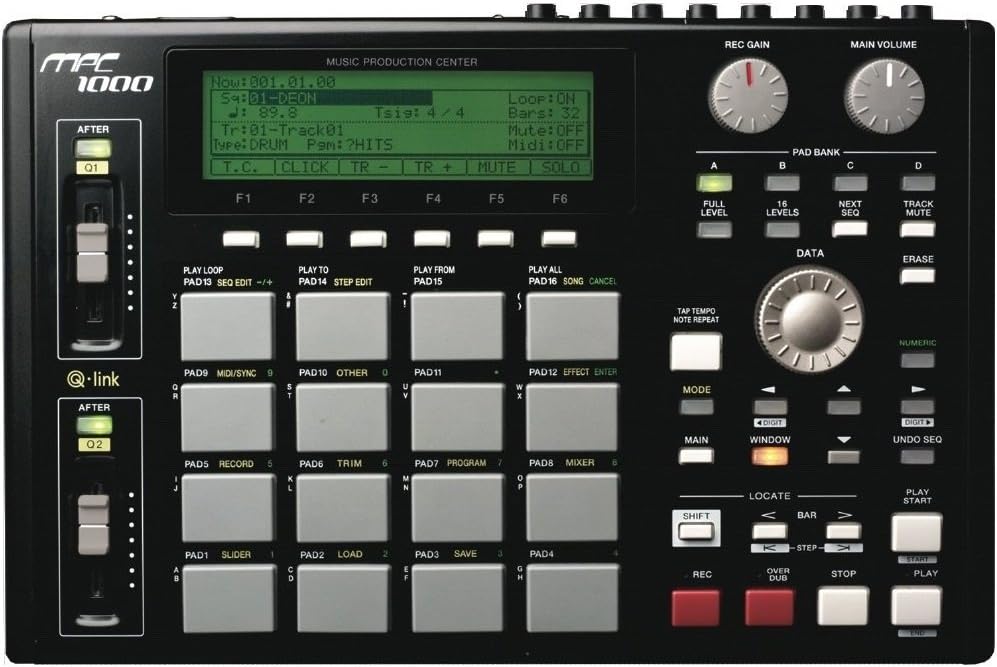
The Akai MPC1000 packs powerful music-making tools into a small, affordable machine. It features 32-voice stereo sampling, a 64-track sequencer, and 16 responsive pads for real-time playing and recording. With 16MB of built-in memory (expandable to 128MB) and the ability to save projects on a Compact Flash card, it’s easy to keep your sounds handy. Plus, you can connect it to a computer via USB to drag and drop your work quickly. Compact and rugged, the MPC1000 is perfect for producers on the go.
Teenage Engineering OP-XY
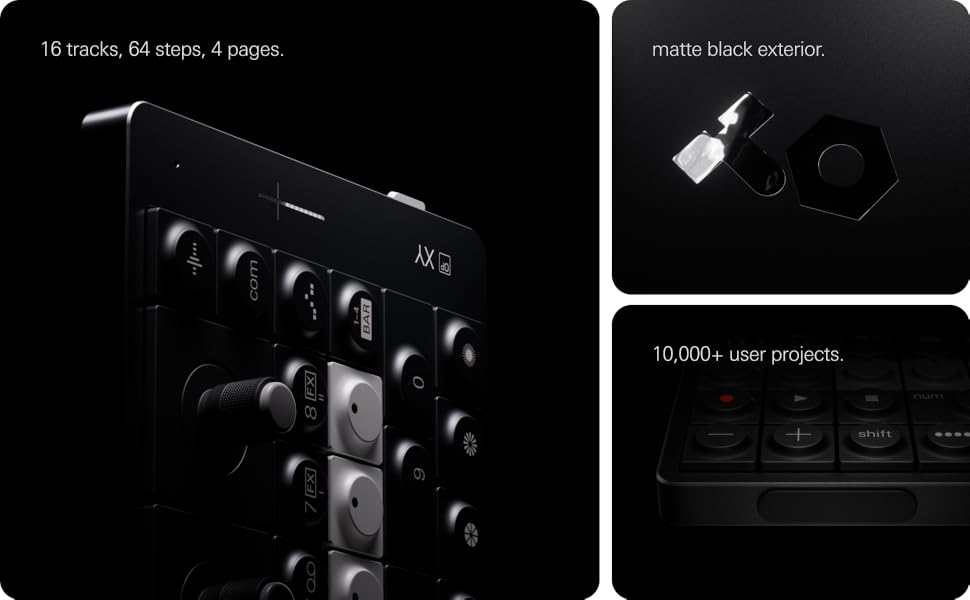
The OP-XY is a small but super powerful music machine. It lets you make songs, play beats, and control other instruments all in one tiny box. You get 8 tracks for music and 8 more to control sounds and effects. You can connect it to almost anything—speakers, pedals, synths, even a microphone! It has fun tools that help you change sounds in cool ways, like adding effects or making rhythms twist and change. Whether you're in your room or on the go, OP-XY makes music fun, fast, and full of surprises.
| Spec | Akai MPC1000 | Teenage Engineering OP-XY |
|---|---|---|
| Manufacturer | Akai Professional | Teenage Engineering |
| Year Released | 2003 | 2024 |
| Polyphony | 64 | 24 |
| Sample Rate | 44.1kHz | 44.1kHz |
| Storage | CompactFlash | Internal storage |
| Pads | 16 velocity-sensitive pads | No pads, uses buttons |
| Sequencer | Yes | Yes |
| Effects | EQ, Compression, Reverb | Multiple effects |
| I/O | MIDI In/Out, Audio In/Out | USB Audio, MIDI |
| Screen | LCD | OLED display |
| Software Integration | MPC Software | No |
| Build | Standalone | Portable synth/sampler/sequencer |
| Price | $700 used | $2299 |
| More about | Details | Details |
Buy the Teenage Engineering OP-XY on Amazon.com
Buy Now On AmazonA Quick Look at Two Musical Powerhouses
The Akai MPC1000 and the Teenage Engineering OP-XY are two distinct music machines that offer unique features for music enthusiasts and professional producers alike. While the MPC1000 is a classic, tried-and-true device, the OP-XY represents the latest in innovative music technology. Let’s dive into what makes each of these samplers special and who they might be best suited for.
Introduction
Hey there, music lovers! Today we’re diving into the world of samplers by comparing two fantastic machines—the Akai MPC1000 and the Teenage Engineering OP-XY. Both of these devices are amazing for making music, but they are quite different in what they offer. Whether you’re a seasoned producer or just starting your journey, understanding these differences can help you choose the right one for your music-making needs.
Akai MPC1000: The Classic Beat Maker
Design and Build
The Akai MPC1000, released in 2003, is a compact and rugged machine designed for music producers on the go. It boasts a standalone build with a robust set of features. The device is equipped with 16 velocity-sensitive pads that allow for dynamic and expressive beat-making. Its sturdy design ensures it can withstand the rigors of constant use.
Features
The MPC1000 has a 64-voice polyphony and works at a sample rate of 44.1kHz, which is standard for professional music production. It comes with a built-in 64-track sequencer, allowing you to layer multiple sounds and beats for complex compositions. The sampler uses CompactFlash cards for storage, making it easy to save and transport your projects.
With effects like EQ, compression, and reverb, the MPC1000 enables you to shape your sounds in versatile ways. It also features MIDI In/Out and Audio In/Out, providing connectivity options for external gear. An LCD screen provides a simple interface for navigating the machine’s functions, and the integration with MPC Software allows for easy connection to a computer.
Pros and Cons
Pros:
- Affordable: At around $700 used, it’s a budget-friendly option for producers.
- Portable: Its compact size makes it easy to transport.
- Expandable Memory: With up to 128MB of RAM, you can store plenty of samples.
Cons:
- Outdated Interface: The LCD screen is basic compared to modern displays.
- Limited Effects: While it offers EQ, compression, and reverb, the effects are not as extensive as some newer devices.
Teenage Engineering OP-XY: The Modern Marvel
Design and Build
The Teenage Engineering OP-XY is a brand-new addition to the world of music production, released in 2024. This portable synth, sampler, and sequencer is compact and designed for maximum versatility. Unlike the MPC1000, it doesn’t have pads but uses buttons for its interface. Its design is sleek and modern, with an OLED display that offers a clear and vibrant interface.
Features
The OP-XY offers 24-voice polyphony and also operates at a 44.1kHz sample rate. It includes 8 tracks for music and 8 additional tracks for controlling sounds and effects, providing a wide array of options for creative music-making. Internal storage means you don’t have to worry about external cards, making it a more streamlined device.
This sampler shines with its multitude of effects, letting users manipulate sounds in exciting and innovative ways. It includes USB Audio and MIDI connectivity, allowing seamless integration with other devices and instruments. However, it lacks direct software integration, which may be a consideration for some users.
Pros and Cons
Pros:
- Cutting-Edge Design: Its modern look and OLED screen make it visually appealing.
- Versatile Effects: Offers a wide range of effects for creative sound manipulation.
- Portable and Compact: Easy to carry around, perfect for on-the-go production.
Cons:
- Expensive: At $2299, it’s a significant investment.
- No Pads: Some users may miss the tactile experience of using pads.
Feature Comparison
Polyphony and Sample Rate
Both the Akai MPC1000 and the Teenage Engineering OP-XY function at a 44.1kHz sample rate, which is standard for high-quality audio production. However, the MPC1000 offers a higher polyphony with 64 voices compared to the OP-XY’s 24 voices. This means the MPC1000 can play more notes simultaneously, which might be advantageous for complex compositions.
Storage Solutions
When it comes to storage, the MPC1000 uses CompactFlash cards, which can be a bit outdated but allows for expandable storage. In contrast, the OP-XY features internal storage, offering a more modern and integrated approach without the need for extra cards.
Interface and Display
The MPC1000 has a basic LCD screen, while the OP-XY features a bright and clear OLED display. The difference in screen technology makes the OP-XY easier to navigate, especially in various lighting conditions.
Connectivity Options
Both devices offer robust connectivity, but in slightly different ways. The MPC1000 provides MIDI In/Out and Audio In/Out, making it compatible with traditional music gear. The OP-XY, on the other hand, uses USB Audio and MIDI, which might appeal more to those who prefer a digital setup.
Effects and Sound Manipulation
While the MPC1000 includes essential effects like EQ, compression, and reverb, the OP-XY goes further with a wider range of effects. This makes the OP-XY more suitable for those who want to experiment with sound in innovative ways.
Who Should Choose the Akai MPC1000?
The Akai MPC1000 is ideal for producers who prefer a classic approach to beat-making. Its affordability and portability make it a great choice for beginners or those who need a reliable, rugged machine for live performances. If you value polyphony, the ability to expand memory, and a hands-on experience with velocity-sensitive pads, the MPC1000 is an excellent choice.
Who Should Choose the Teenage Engineering OP-XY?
The Teenage Engineering OP-XY is perfect for tech-savvy musicians who love cutting-edge design and features. Its extensive effects and modern connectivity options make it ideal for those who want to push the boundaries of music production. If you’re willing to invest in a versatile, portable device and don’t mind the absence of pads, the OP-XY is for you.
Conclusion
Both the Akai MPC1000 and the Teenage Engineering OP-XY are outstanding samplers with distinct strengths. Your choice depends on what you value most in your music-making journey. Whether you’re looking for a classic, reliable machine or a state-of-the-art device, both of these samplers can help you create incredible music.