Akai MPC2500 — VS — Akai MPC5000
Akai MPC2500
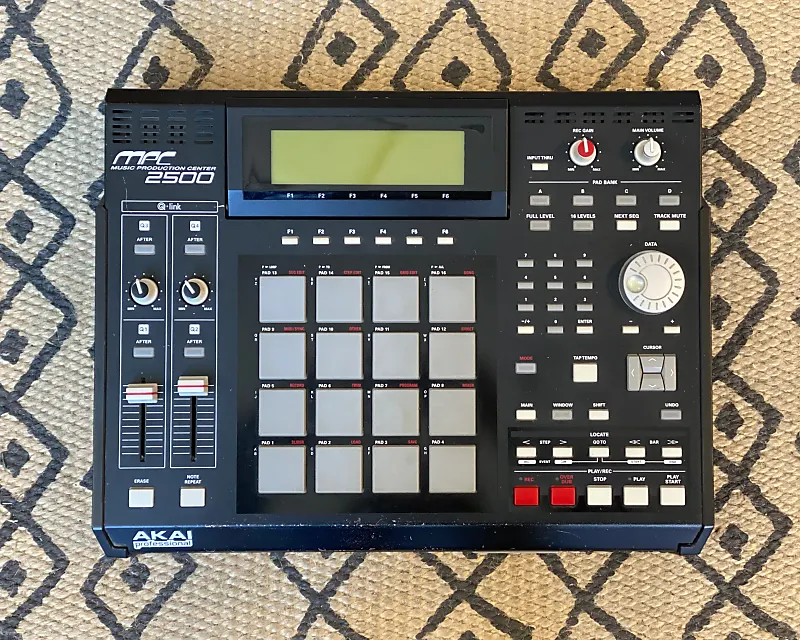
The Akai MPC2500 is a trusted tool for making beats and producing music, used by pros and performers alike. It has 16 classic pads, powerful sampling and editing features, and up to 128MB of memory for loading sounds. You get a 64-track sequencer, built-in effects, and real-time controls to shape your music as you play. With multiple outputs and easy file storage using CF cards or an optional hard drive, the MPC2500 gives you everything you need to create, perform, and finish your tracks—all in one solid machine.
Akai MPC5000
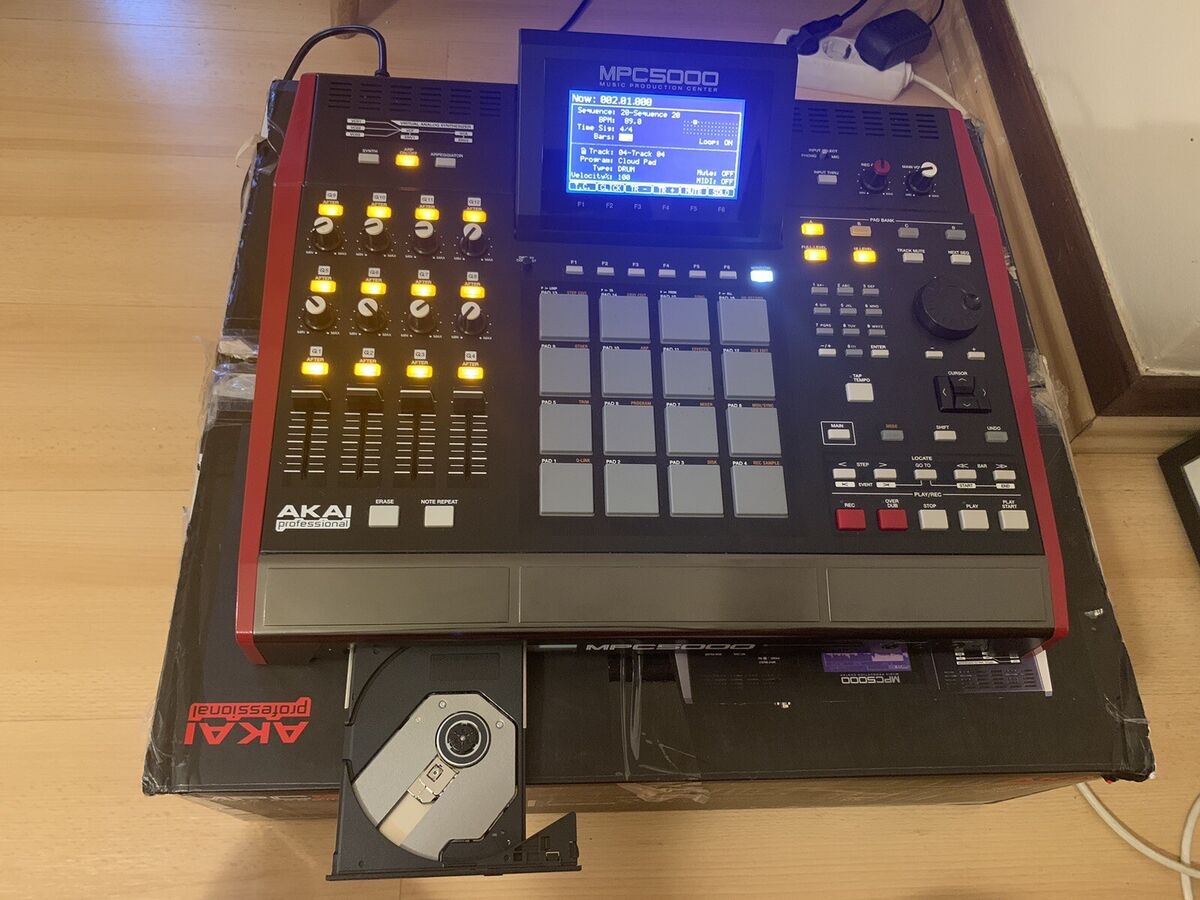
High-end MPC with expanded sampling and advanced effects.
| Spec | Akai MPC2500 | Akai MPC5000 |
|---|---|---|
| Manufacturer | Akai Professional | Akai Professional |
| Year Released | 2005 | 2006 |
| Polyphony | 64 | 128 |
| Sample Rate | 44.1kHz | 44.1kHz |
| Storage | CompactFlash, ZIP Drive | Internal Hard Drive, CompactFlash |
| Pads | 16 velocity-sensitive pads | 16 velocity-sensitive pads |
| Sequencer | Yes | Yes |
| Effects | EQ, Compression, Reverb, Delay | EQ, Compression, Reverb, Delay, Filtering |
| I/O | MIDI In/Out, Audio In/Out | MIDI In/Out, Audio In/Out |
| Screen | LCD | Color LCD |
| Software Integration | MPC Software | MPC Software |
| Build | Standalone | Standalone |
| Price | $800 used | $1200 used |
| More about | Details | Details |
Comparing the Akai MPC2500 and MPC5000: Which Sampler is Right for You?
Summary: The Akai MPC2500 and MPC5000 are both powerful tools for music producers, each with unique features and capabilities. The MPC2500 offers a solid entry into the world of music production with its dependable features, while the MPC5000 provides advanced capabilities for those seeking a richer experience.
Introduction
Music production is an exciting journey, and choosing the right gear is crucial for any budding or experienced producer. Two popular options from Akai Professional, the MPC2500 and the MPC5000, have been staples in the music industry. Whether you’re a beginner or a seasoned beatmaker, understanding the differences between these two samplers will help you make the best choice for your musical needs. Let’s dive into the features of each device and see how they stack up against each other.
Feature Comparison
Build and Design
Both the Akai MPC2500 and MPC5000 are standalone units, meaning they don’t require a computer to function. This independence is perfect for producers who want to focus solely on their music without the distraction of screens and software. The MPC2500 was released in 2005, a year before the MPC5000, which came out in 2006. Despite being older, the MPC2500 still holds its ground with its robust build, making it a reliable choice for on-the-go production.
Pads and Sequencing
Both samplers feature 16 velocity-sensitive pads, which are essential for creating dynamic and expressive beats. The pads are a signature feature of the MPC line and provide a tactile experience that many producers love. Sequencing capabilities are also present in both devices, allowing users to arrange their music with precision. However, the MPC5000 takes sequencing a step further with its enhanced features, providing more creative possibilities for advanced users.
Polyphony and Sample Rate
Polyphony refers to the number of sounds that can be played simultaneously. The MPC2500 offers a polyphony of 64, while the MPC5000 doubles that with 128. This difference means the MPC5000 can handle more complex compositions without running into limitations. Both devices operate at a sample rate of 44.1kHz, ensuring high-quality audio reproduction.
Storage and Connectivity
When it comes to storage, the MPC2500 uses CompactFlash and ZIP Drives, while the MPC5000 offers an internal hard drive alongside CompactFlash. This gives the MPC5000 an edge in terms of storage capacity, making it easier to save and manage large projects. Both models include MIDI In/Out and Audio In/Out connections, allowing for seamless integration with other music equipment.
Effects and Software Integration
Effects are crucial for adding depth and character to your music. The MPC2500 includes EQ, Compression, Reverb, and Delay, offering a solid range of effects for most production needs. The MPC5000 builds on this by adding Filtering to the mix, giving users even more tools to shape their sound. Both devices integrate with Akai’s MPC Software, providing additional flexibility and control over your projects.
Display and Interface
A clear and easy-to-use display can make a big difference in your workflow. The MPC2500 features a standard LCD screen, which gets the job done but lacks the vibrancy of modern displays. The MPC5000, on the other hand, boasts a color LCD, making navigation and editing more intuitive and visually appealing.
Pros and Cons
Akai MPC2500
Pros:
- Reliable standalone build
- Good range of effects
- Solid storage options with CompactFlash and ZIP Drives
- Affordable price point for beginners
Cons:
- Lower polyphony compared to MPC5000
- Standard LCD screen lacks color
- Limited storage compared to the MPC5000’s internal hard drive
Akai MPC5000
Pros:
- Higher polyphony for complex compositions
- Internal hard drive for expanded storage
- Additional Filtering effect
- Color LCD for enhanced usability
Cons:
- Higher price point
- More advanced features might be overwhelming for beginners
Final Verdict
In conclusion, both the Akai MPC2500 and MPC5000 have their strengths and cater to different types of producers. The MPC2500 is an excellent choice for those who want a reliable and affordable entry into music production. Its simplicity and effectiveness make it ideal for beginners or those who prefer a straightforward approach to beat-making. On the other hand, the MPC5000 is suited for more experienced producers who need advanced features and greater flexibility. Its higher polyphony, additional effects, and superior display make it a powerhouse for complex music production.
Whether you’re just starting out or looking to upgrade your gear, understanding the differences between these two iconic samplers will guide you in making the right decision for your musical journey.