Akai MPC2500 — VS — Elektron Digitakt
Akai MPC2500
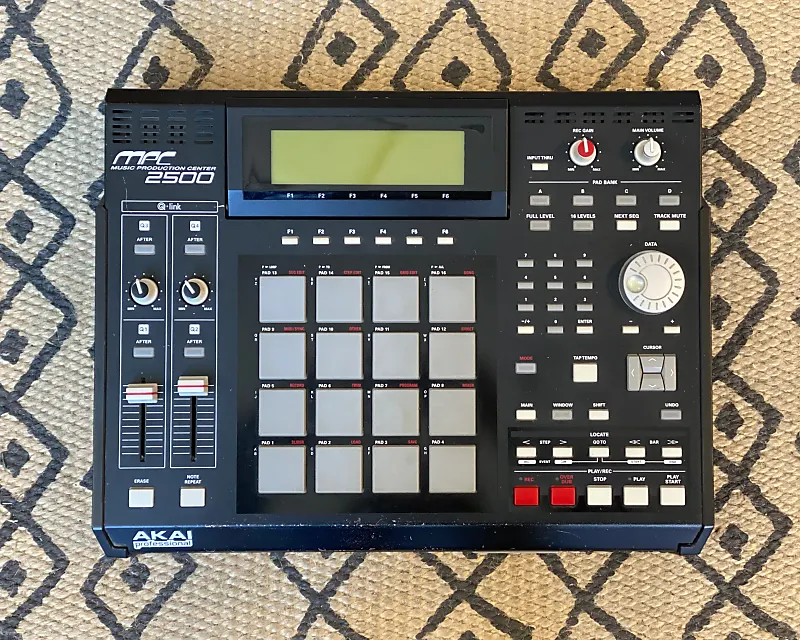
The Akai MPC2500 is a trusted tool for making beats and producing music, used by pros and performers alike. It has 16 classic pads, powerful sampling and editing features, and up to 128MB of memory for loading sounds. You get a 64-track sequencer, built-in effects, and real-time controls to shape your music as you play. With multiple outputs and easy file storage using CF cards or an optional hard drive, the MPC2500 gives you everything you need to create, perform, and finish your tracks—all in one solid machine.
Elektron Digitakt
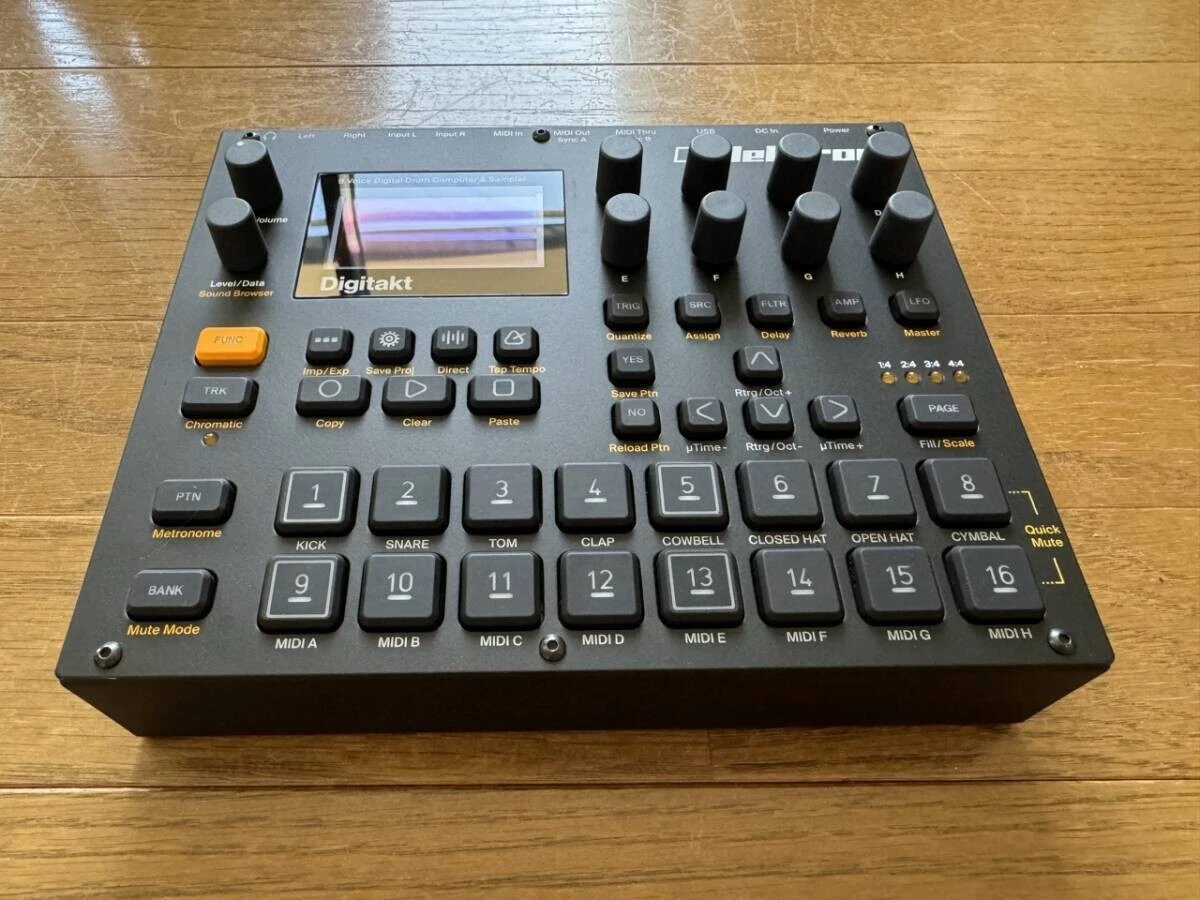
Digitakt is a super cool music machine that helps you make beats and mix sounds. It's small, tough, and built to last. You can record sounds, play them back, and create your own songs using 8 sound tracks and 8 more tracks to control other music gear. It also has awesome buttons and a bright screen to help you see what you're doing. Whether you're just starting or already making music, Digitakt gives you all the tools you need to have fun and make people dance!
| Spec | Akai MPC2500 | Elektron Digitakt |
|---|---|---|
| Manufacturer | Akai Professional | Elektron |
| Year Released | 2005 | 2017 |
| Polyphony | 64 | 8 |
| Sample Rate | 44.1kHz | 48kHz |
| Storage | CompactFlash, ZIP Drive | Internal storage |
| Pads | 16 velocity-sensitive pads | No pads, uses buttons |
| Sequencer | Yes | Yes |
| Effects | EQ, Compression, Reverb, Delay | Reverb, Delay |
| I/O | MIDI In/Out, Audio In/Out | MIDI In/Out/Thru, USB, Audio Out |
| Screen | LCD | OLED display |
| Software Integration | MPC Software | Elektron Transfer |
| Build | Standalone | Desktop |
| Price | $800 used | $700 |
| More about | Details | Details |
Summary
The Elektron Digitakt and the Akai MPC2500 are both powerful samplers, each with its own unique features and strengths. While the Digitakt is a modern, compact device perfect for live performances and deep sequencing, the MPC2500 offers a robust standalone solution with classic features and a large polyphony. Choosing between them depends on your specific needs and preferences.
Introduction
Hello, music gear enthusiasts! Today, we’re diving into the world of samplers, comparing two popular devices: the Elektron Digitakt and the Akai MPC2500. Whether you’re making beats in your bedroom or performing on stage, choosing the right sampler can make all the difference. Let’s explore what each of these amazing machines has to offer!
Features Comparison
Build and Design
The Elektron Digitakt is a compact drum machine and sampler with a desktop build. It’s sleek, modern, and easy to carry around, making it ideal for live performances and quick setups. On the other hand, the Akai MPC2500 is a standalone unit with a more traditional design. It’s a bit bulkier, as it’s packed with features that are perfect for studio environments.
Sound and Polyphony
One of the key differences between these two samplers is their polyphony. The Digitakt offers 8 voices, which is great for creating complex patterns and performances. Meanwhile, the MPC2500 boasts a whopping 64 voices, allowing for richer and more layered compositions. When it comes to sample rate, the Digitakt records at 48kHz, providing crisp and clear sound quality. The MPC2500 records at 44.1kHz, which is the standard for CD-quality audio.
Storage and Pads
Storage options vary between the two devices. The Digitakt features internal storage, which keeps your samples safe and readily accessible. Conversely, the MPC2500 uses CompactFlash and ZIP Drives for storage, offering flexibility if you have a large library of samples. For those who love finger drumming, the MPC2500 comes with 16 velocity-sensitive pads, which are perfect for playing dynamic beats. The Digitakt, however, uses buttons instead of pads, which might take some getting used to if you’re accustomed to pad-based interfaces.
Sequencer and Effects
Both samplers have built-in sequencers, allowing you to create intricate patterns and songs. The Digitakt is renowned for its deep sequencing capabilities, making it a favorite among electronic musicians. The MPC2500 also has advanced sequencing features, making it a solid choice for beatmakers. In terms of effects, the Digitakt offers reverb and delay, while the MPC2500 includes EQ, compression, reverb, and delay, providing a wider range of sound-shaping options.
Connectivity and Integration
Connectivity is crucial for any music gear, and both samplers offer robust options. The Digitakt has MIDI In/Out/Thru, USB, and Audio Out, while the MPC2500 includes MIDI In/Out and Audio In/Out. When it comes to software integration, the Digitakt uses Elektron Transfer for easy sample management, while the MPC2500 integrates with MPC Software, offering a seamless connection to your computer setup.
Screen and User Interface
The Digitakt features an OLED display, which is bright and easy to read, even in dimly lit environments. The MPC2500, on the other hand, has an LCD screen that provides all the necessary information but might feel a bit outdated compared to modern displays.
Elektron Digitakt: Pros and Cons
Pros
- Compact and Portable: Easy to carry around, perfect for live performances.
- Modern Interface: OLED display is bright and easy to navigate.
- Deep Sequencing: Known for its powerful sequencing capabilities.
- High Sample Rate: 48kHz for crisp audio quality.
Cons
- Limited Polyphony: Only 8 voices, which might be restrictive for some users.
- No Pads: Uses buttons instead, which may not appeal to those who prefer pad-based interfaces.
Akai MPC2500: Pros and Cons
Pros
- High Polyphony: 64 voices provide ample room for complex compositions.
- Classic Design: Standalone build with a robust set of features.
- Versatile Effects: Includes EQ, compression, reverb, and delay.
- Velocity-Sensitive Pads: Ideal for dynamic, expressive performances.
Cons
- Bulky: Not as portable as the Digitakt.
- Outdated Display: LCD screen may not be as clear as modern alternatives.
Final Verdict
Choosing between the Elektron Digitakt and the Akai MPC2500 depends on what you’re looking for in a sampler. If you prioritize portability, modern design, and deep sequencing capabilities, the Elektron Digitakt is a fantastic choice. It’s great for electronic musicians and live performers who need a compact, reliable device.
On the other hand, if you’re after high polyphony, classic pad-based performance, and a standalone setup, the Akai MPC2500 might be the better fit. It’s perfect for studio environments and those who wish to create rich, layered compositions.
Ultimately, both samplers are excellent in their own right, and your choice will depend on your personal preferences and musical needs. Happy sampling!