Akai MPC2500 — VS — Elektron Digitakt II
Akai MPC2500
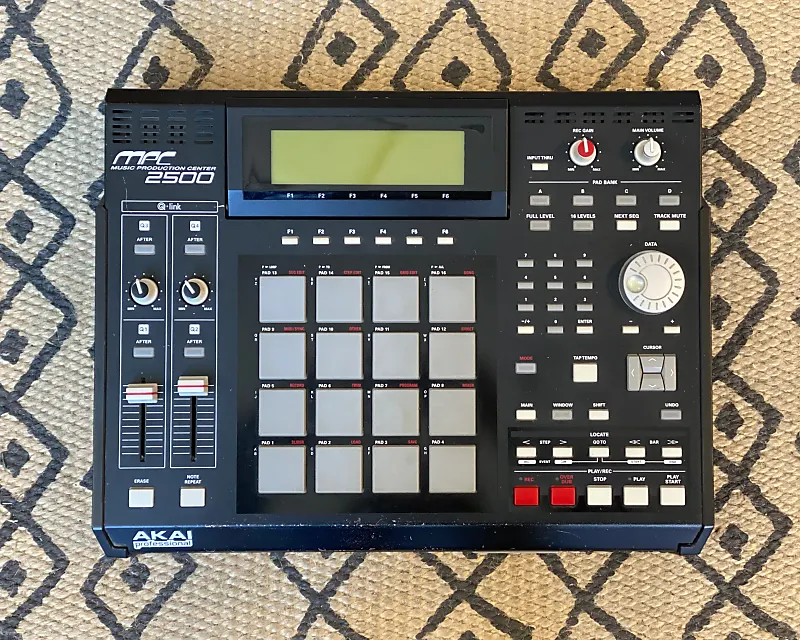
The Akai MPC2500 is a trusted tool for making beats and producing music, used by pros and performers alike. It has 16 classic pads, powerful sampling and editing features, and up to 128MB of memory for loading sounds. You get a 64-track sequencer, built-in effects, and real-time controls to shape your music as you play. With multiple outputs and easy file storage using CF cards or an optional hard drive, the MPC2500 gives you everything you need to create, perform, and finish your tracks—all in one solid machine.
Elektron Digitakt II
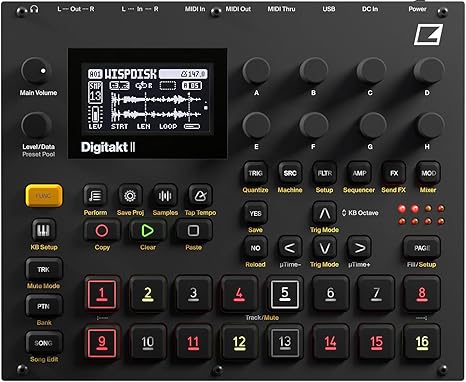
The Digitakt II is a fun music machine that lets you make beats and play with sounds. It has 16 tracks you can use to mix music, record sounds in stereo, or control other gear. You can change and shape your sounds in cool ways, with lots of new and improved features. It has tons of memory so you can store lots of sounds and keep creating for a long time. It's like a sound playground for your imagination!
| Spec | Akai MPC2500 | Elektron Digitakt II |
|---|---|---|
| Manufacturer | Akai Professional | Elektron |
| Year Released | 2005 | 2024 |
| Polyphony | 64 | 16 |
| Sample Rate | 44.1kHz | 48kHz |
| Storage | CompactFlash, ZIP Drive | Internal storage |
| Pads | 16 velocity-sensitive pads | No pads, uses buttons |
| Sequencer | Yes | Yes |
| Effects | EQ, Compression, Reverb, Delay | Delay, reverb, chorus, bit reduction, sample reduction, and overdrive per track |
| I/O | MIDI In/Out, Audio In/Out | MIDI In/Out/Thru, USB, Audio Out |
| Screen | LCD | OLED display |
| Software Integration | MPC Software | Elektron Transfer |
| Build | Standalone | Desktop |
| Price | $800 used | $1149 |
| More about | Details | Details |
Buy the Elektron Digitakt II on Amazon.com
Buy Now On AmazonAkai MPC2500 vs. Elektron Digitakt II: Which Sampler is Right for You?
Are you a budding music producer or a seasoned beatmaker looking to expand your toolkit with a new sampler? Today, we’re diving into two popular choices: the Akai MPC2500 and the Elektron Digitakt II. Both of these machines have their own unique strengths, and we’re here to help you decide which one fits your style best.
Introduction
Music production is like cooking; it’s all about the right ingredients and tools. When it comes to making beats, a sampler is one of the essential tools a music producer can have. The Akai MPC2500 and Elektron Digitakt II are two incredible samplers, each with its own flavor, designed to help you create amazing music. Let’s explore what makes each sampler unique and how they compare to each other.
Feature Comparisons
Year of Manufacture and Build
The Akai MPC2500 has been around since 2005, making it a classic choice for producers who appreciate a tried-and-tested machine. It’s a standalone device, meaning it doesn’t need to be hooked up to a computer to work, which is great for those who like to focus solely on their music without digital distractions.
On the other hand, the Elektron Digitakt II is a more modern machine, released in 2024. It’s a desktop device, designed with cutting-edge technology to meet the demands of today’s music creators. Its sleek design and modern features make it an attractive option for tech-savvy producers.
Polyphony and Sample Rate
The MPC2500 offers 64 voices of polyphony and a sample rate of 44.1kHz. This means you can layer many sounds together without running out of voice space, which is perfect for complex compositions.
In contrast, the Digitakt II provides 16 voices of polyphony with a slightly higher sample rate of 48kHz. While it offers fewer voices, the enhanced sample rate might appeal to those who prioritize sound clarity and quality.
Storage and Memory
Storage is a key factor to consider when choosing a sampler. The MPC2500 uses CompactFlash cards and ZIP Drives, providing flexibility in how you store and transfer your music files. It also supports up to 128MB of memory, allowing for a decent amount of sound loading.
The Digitakt II, however, boasts internal storage, eliminating the need for external storage devices. This is convenient for users who prefer an all-in-one solution and don’t want to worry about carrying extra cards or drives.
Pads and Controls
A defining feature of the MPC2500 is its 16 velocity-sensitive pads, which offer a tactile and responsive way to play and program beats. This makes it ideal for performers who enjoy finger drumming and live shows.
The Digitakt II, conversely, doesn’t have traditional pads but relies on buttons for sound triggering. This might appeal more to those who are comfortable with a button-based workflow and enjoy intricate programming.
Effects and Sound Shaping
Both devices come with impressive sound-shaping capabilities. The MPC2500 includes effects like EQ, compression, reverb, and delay, which are essential for creating polished tracks.
The Digitakt II takes it a step further with a broader range of effects, including delay, reverb, chorus, bit reduction, sample reduction, and overdrive per track. This variety allows for a more experimental approach to sound design.
Connectivity and Integration
Connectivity options are crucial for integrating a sampler into your setup. The MPC2500 features MIDI In/Out and Audio In/Out, making it easy to connect with other gear.
Meanwhile, the Digitakt II offers MIDI In/Out/Thru and USB connectivity, providing more flexibility and modern compatibility. It also integrates with Elektron Transfer software, streamlining file management and transfers.
Pros and Cons
Akai MPC2500
Pros:
- Classic Feel: Offers a traditional, tactile experience with 16 velocity-sensitive pads.
- Standalone Operation: No need for a computer, which is great for focused music-making.
- Versatile Storage: Supports CompactFlash and ZIP Drives, providing multiple storage options.
Cons:
- Older Technology: Released in 2005, it may lack some modern features.
- Limited Internal Memory: 128MB might not be enough for extensive sampling needs.
Elektron Digitakt II
Pros:
- Modern Design: Sleek, desktop build with a high-resolution OLED display.
- Advanced Effects: Offers a wide range of sound-shaping effects per track.
- Convenient Storage: Internal storage removes the need for extra storage devices.
Cons:
- Button-Based Interface: Lacks traditional pads, which might not appeal to everyone.
- Higher Price Point: Priced at $1149, it’s more expensive than the used price of the MPC2500.
Final Verdict
In summary, both the Akai MPC2500 and the Elektron Digitakt II are excellent machines, each with its own set of strengths. The MPC2500 is perfect for those who value a classic, tactile experience and enjoy working with standalone devices. It’s a reliable and trusted tool for beatmakers who appreciate the old-school vibe.
The Digitakt II, on the other hand, is ideal for modern producers who want a cutting-edge machine with advanced features and effects. Its desktop design and internal storage make it a convenient and powerful choice for those who like to experiment and push the boundaries of music production.
For more information, you can visit their individual pages: Akai MPC2500 and Elektron Digitakt II. Whether you choose the classic or the modern, both samplers offer incredible possibilities for making music. Happy beatmaking!