Akai MPC2500 — VS — Elektron Model:Samples
Akai MPC2500
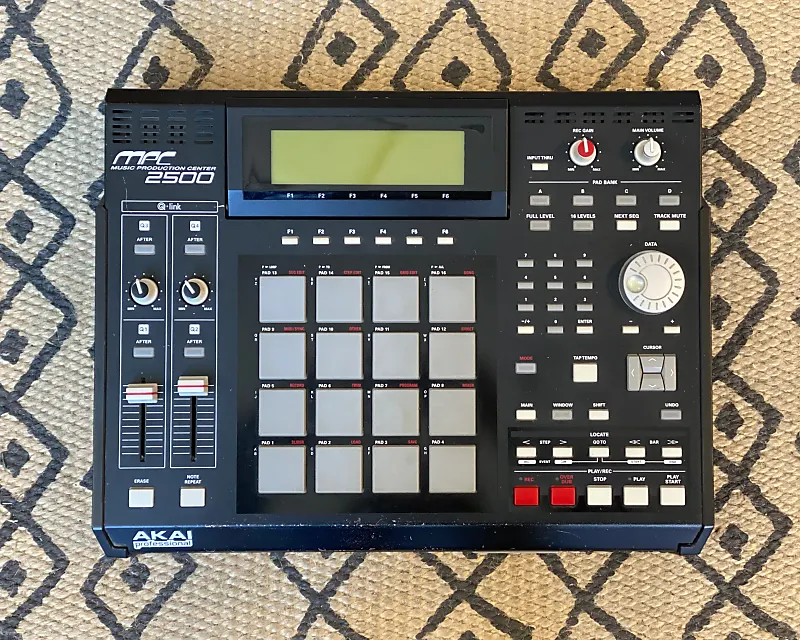
The Akai MPC2500 is a trusted tool for making beats and producing music, used by pros and performers alike. It has 16 classic pads, powerful sampling and editing features, and up to 128MB of memory for loading sounds. You get a 64-track sequencer, built-in effects, and real-time controls to shape your music as you play. With multiple outputs and easy file storage using CF cards or an optional hard drive, the MPC2500 gives you everything you need to create, perform, and finish your tracks—all in one solid machine.
Elektron Model:Samples
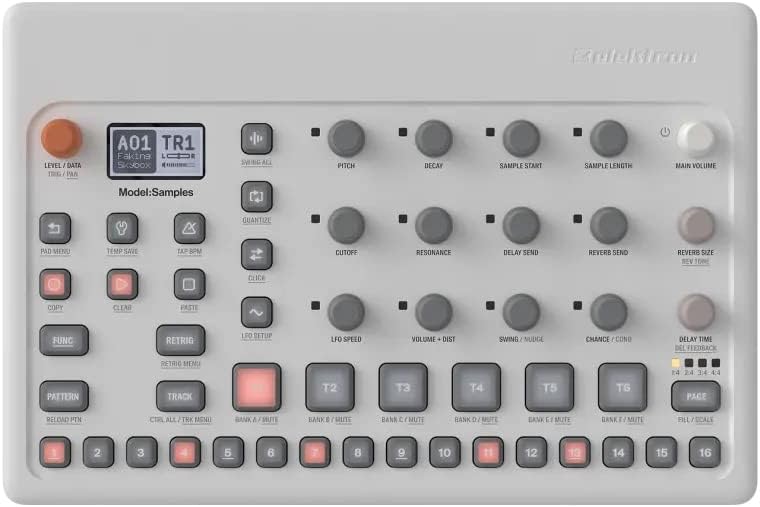
The Elektron Model:Samples is a small and powerful music machine that lets you make your own beats and songs using sounds called samples. It has 6 sound tracks, cool built-in effects like echo and reverb, and big pads you can tap to play music. You can use the sounds that come with it or add your own. It's light, easy to carry, and fun to use—perfect for anyone who wants to start making music, anywhere!
| Spec | Akai MPC2500 | Elektron Model:Samples |
|---|---|---|
| Manufacturer | Akai Professional | Elektron |
| Year Released | 2005 | 2019 |
| Polyphony | 64 | 6 |
| Sample Rate | 44.1kHz | 48kHz |
| Storage | CompactFlash, ZIP Drive | Internal storage |
| Pads | 16 velocity-sensitive pads | No pads, uses buttons |
| Sequencer | Yes | Yes |
| Effects | EQ, Compression, Reverb, Delay | distortion, filter effects, and a global delay and reverb send |
| I/O | MIDI In/Out, Audio In/Out | 1/4 inch headphone output, 2x balanced 1/4 inch main outputs, a 3.5mm TRS jack for MIDI in/out, and a USB mini 2.0 port |
| Screen | LCD | 128 x 64 pixel LCD screen |
| Software Integration | MPC Software | Elektron Transfer |
| Build | Standalone | Desktop |
| Price | $800 used | $349 |
| More about | Details | Details |
Buy the Elektron Model:Samples on Amazon.com
Buy Now On AmazonComparing the Akai MPC2500 and Elektron Model:Samples: A Beat Maker’s Delight
If you’re looking to make music, two samplers stand out: the Akai MPC2500 and the Elektron Model:Samples. They are both great tools for creating beats and songs, but they have different features that make them unique. Let’s dive into what makes each one special and which might be the better fit for your music-making needs.
Introduction
Music is an art that speaks to the soul, and creating it is a journey filled with fun and excitement. For those who love making beats and are ready to turn their musical ideas into reality, choosing the right gear is crucial. Today, we’re exploring two popular samplers: the Akai MPC2500 and the Elektron Model:Samples. Each has its own charm and unique features that can help you create amazing music. Whether you’re a seasoned pro or just starting out, understanding these devices will help you make the best choice for your musical adventures.
Features Comparison
Design and Build
The Akai MPC2500, released in 2005, is a standalone sampler known for its robust build. It comes with 16 velocity-sensitive pads that feel great under your fingers and are perfect for playing dynamic beats. This sampler is a bit on the heavier side, making it a solid piece of equipment that you’ll want to set up in your studio. Its durable design means it can handle the demands of live performances and studio sessions alike.
On the other hand, the Elektron Model:Samples, launched in 2019, is a desktop sampler that’s light and easy to carry around. It doesn’t have traditional pads but instead uses buttons to trigger sounds. While it might not have the same tactile feel as the MPC2500, its compact and portable design makes it perfect for on-the-go music creation.
Sounds and Effects
When it comes to sound, the Akai MPC2500 offers a sample rate of 44.1kHz and a whopping 64-note polyphony. This means you can layer many sounds without running into limitations. It also includes built-in effects like EQ, compression, reverb, and delay to add depth and character to your tracks. With up to 128MB of memory, you can load a variety of samples to craft your music.
The Elektron Model:Samples operates at a higher sample rate of 48kHz but has a polyphony of just 6 notes. While this might seem limiting, it’s designed for simpler, more focused sound layers. The Model:Samples shines with its cool built-in effects such as distortion, filter effects, and a global delay and reverb send. These effects are easy to tweak and can significantly alter your sound, making it a fun playground for sonic experimentation.
Sequencing and Control
Both samplers come with sequencers, but they differ in complexity and user experience. The Akai MPC2500 boasts a 64-track sequencer, providing you with extensive control over your compositions. Its large LCD screen helps you navigate through the interface, making it easier to arrange and edit your music.
Conversely, the Elektron Model:Samples offers a more straightforward sequencing experience. It features a 128 x 64 pixel LCD screen, which is smaller but still functional for its needs. The Model:Samples focuses on simplicity and ease of use, making it accessible to beginners who want to jump into music creation without feeling overwhelmed.
Connectivity and Integration
In terms of connectivity, the Akai MPC2500 offers MIDI In/Out and Audio In/Out, allowing you to connect it to other gear and expand your setup. It also supports storage through CompactFlash and ZIP drives, ensuring your samples are safe and easily accessible. Plus, it can integrate with MPC Software for additional functionality.
The Elektron Model:Samples provides a 1/4 inch headphone output, 2x balanced 1/4 inch main outputs, a 3.5mm TRS jack for MIDI in/out, and a USB mini 2.0 port. Its internal storage is convenient for keeping your samples ready to go, and the Elektron Transfer software makes it easy to load your own sounds onto the device.
Pros and Cons
Akai MPC2500
Pros:
- Robust Build: Solid and durable for studio and live use.
- Extensive Polyphony: 64-note polyphony allows for complex compositions.
- Advanced Sequencer: 64-track sequencer offers detailed control.
- Classic Pads: 16 velocity-sensitive pads for expressive performance.
- Built-in Effects: Includes EQ, compression, reverb, and delay.
Cons:
- Heavier Design: Less portable, more suited to stationary setups.
- Older Technology: Released in 2005, it might lack some modern features.
- Higher Price: Costs around $800 used, which might be steep for beginners.
Elektron Model:Samples
Pros:
- Portable and Lightweight: Easy to carry and great for on-the-go music making.
- User-Friendly: Simple interface and controls ideal for beginners.
- Cool Effects: Distortion, filter effects, and global delay/reverb for creative sound shaping.
- Affordable Price: Priced at $349, it’s accessible for newcomers.
- Modern Design: Released in 2019 with updated technology.
Cons:
- Limited Polyphony: 6-note polyphony may restrict more complex arrangements.
- No Traditional Pads: Lacks the tactile feel of classic pads for performance.
- Basic Sequencer: Less advanced than the MPC2500’s 64-track sequencer.
Conclusion
Choosing between the Akai MPC2500 and the Elektron Model:Samples comes down to your specific needs and preferences. The MPC2500 is ideal for those who want a robust, feature-rich machine with classic pads and extensive sequencing capabilities. It’s perfect for professionals and serious hobbyists who need a comprehensive tool for complex productions.
On the other hand, the Elektron Model:Samples is great for beginners and those who prioritize portability and ease of use. Its modern design and fun effects make it an engaging choice for anyone looking to explore music-making without a steep learning curve.
Final Verdict
If you’re a seasoned musician or producer who values depth and classic sampling features, the Akai MPC2500 is your best bet. Its robust build and extensive capabilities make it a powerhouse for music production. However, if you’re just starting out or need a portable and straightforward device, the Elektron Model:Samples is an excellent choice. It’s affordable, user-friendly, and perfect for creative exploration on the go.
No matter which one you choose, both samplers can inspire you to create amazing music and bring your musical ideas to life.