Akai MPC2500 — VS — Elektron Octatrack MKI
Akai MPC2500
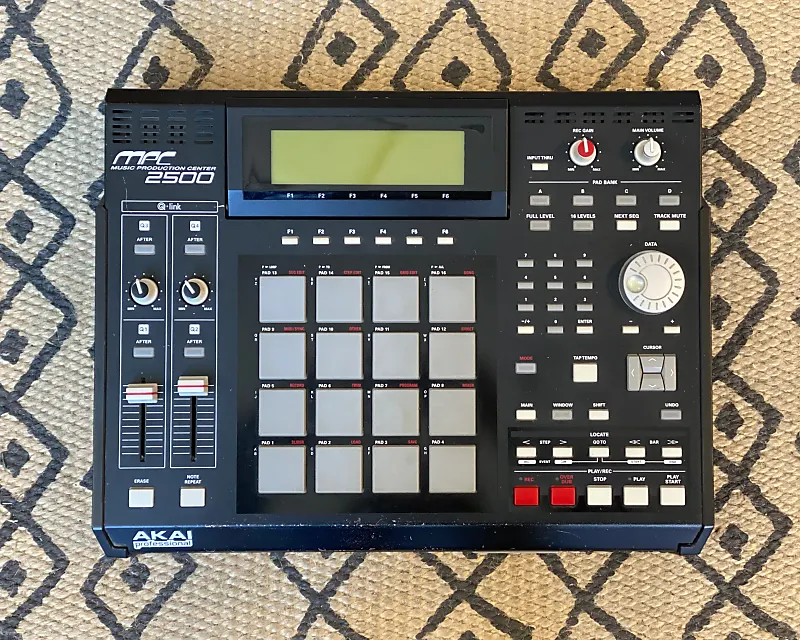
The Akai MPC2500 is a trusted tool for making beats and producing music, used by pros and performers alike. It has 16 classic pads, powerful sampling and editing features, and up to 128MB of memory for loading sounds. You get a 64-track sequencer, built-in effects, and real-time controls to shape your music as you play. With multiple outputs and easy file storage using CF cards or an optional hard drive, the MPC2500 gives you everything you need to create, perform, and finish your tracks—all in one solid machine.
Elektron Octatrack MKI
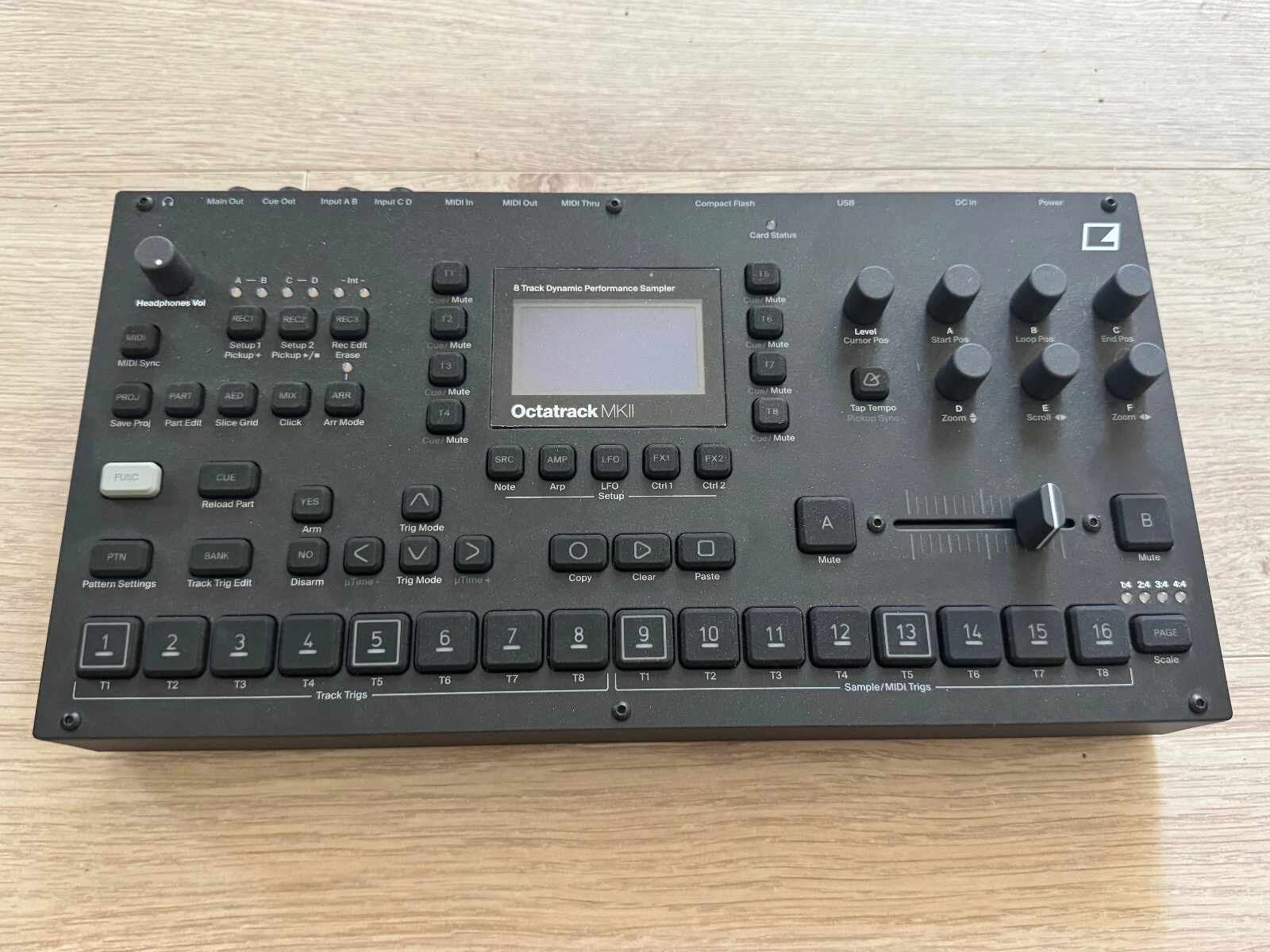
The Elektron Octatrack is a powerful music tool that lets you sample, loop, and remix sounds in real time. It has 8 tracks for playing and twisting audio, plus 8 more for controlling other gear with MIDI. You can load sounds from a memory card or record them live, then use built-in effects, a crossfader, and a step sequencer to create unique tracks. Whether you're performing live or making music in the studio, the Octatrack MK1 gives you deep control over your sound in a hands-on, creative way.
| Spec | Akai MPC2500 | Elektron Octatrack MKI |
|---|---|---|
| Manufacturer | Akai Professional | Elektron |
| Year Released | 2005 | 2010 |
| Polyphony | 64 | 8 |
| Sample Rate | 44.1kHz | 48kHz |
| Storage | CompactFlash, ZIP Drive | Compact Flash |
| Pads | 16 velocity-sensitive pads | No pads, uses buttons and encoders |
| Sequencer | Yes | Yes |
| Effects | EQ, Compression, Reverb, Delay | Filters, Delay, Reverb |
| I/O | MIDI In/Out, Audio In/Out | MIDI In/Out/Thru, Audio In/Out |
| Screen | LCD | OLED display |
| Software Integration | MPC Software | Elektron Transfer |
| Build | Standalone | Desktop |
| Price | $800 used | |
| More about | Details | Details |
Akai MPC2500 vs. Elektron Octatrack MKI: The Battle of the Samplers
Summary: Choosing between the Akai MPC2500 and Elektron Octatrack MKI can be a tough decision for music makers. Each of these iconic samplers offers unique features and capabilities. This blog post will help you understand the key differences and decide which one might be the best fit for your musical needs.
Introduction
Hey there, music producers and gear enthusiasts! Today, we’re diving into the world of samplers with a showdown between two legendary machines: the Akai MPC2500 and the Elektron Octatrack MKI. These samplers have been favorites among musicians for years, each with its own set of strengths. Whether you’re new to music production or a seasoned pro, understanding these devices can help you choose the right one for your setup.
The Basics: Akai MPC2500
The Akai MPC2500 is a classic in the world of music production. Released in 2005, it’s known for its powerful sequencing capabilities and hands-on approach to beat-making. The MPC2500 has 64-note polyphony, which means it can play up to 64 different notes at once. It also features a 44.1kHz sample rate, ensuring high-quality audio playback.
The device’s hardware includes 16 velocity-sensitive pads, making it easy to tap out beats and rhythms. These pads are loved by hip-hop producers and drummers alike for their responsiveness and feel. The MPC2500 has a built-in sequencer, which allows you to record and arrange your beats and melodies seamlessly. Its effects section includes EQ, compression, reverb, and delay, which gives you plenty of options to shape your sound.
Storage is handled via CompactFlash and ZIP drives, providing a reliable way to save your projects. With MIDI In/Out and Audio In/Out, the MPC2500 integrates well with other gear in your studio. Its standalone build means you don’t need a computer to operate it, making it a versatile tool for performance and production.
The Basics: Elektron Octatrack MKI
The Elektron Octatrack MKI, launched in 2010, is another game-changer in the sampler world. Unlike the MPC2500, the Octatrack is a desktop unit and does not have pads but instead uses buttons and encoders for control. It offers an 8-note polyphony, which might seem limited compared to the MPC2500, but it is designed to handle complex sampling tasks efficiently.
The Octatrack MKI boasts a higher sample rate of 48kHz, which means even better audio quality. It also uses Compact Flash for storage, ensuring fast and reliable data handling. The sequencer is a key feature, allowing you to create intricate patterns and manipulate samples with precision.
The effects on the Octatrack include filters, delay, and reverb, providing ample tools for sound design. Its OLED display offers clear visuals, making it easy to navigate through its features. The Octatrack’s MIDI In/Out/Thru and Audio In/Out connections ensure seamless integration with your other studio equipment. With its desktop build, it’s perfect for studio setups where space is a premium.
Feature Comparison
Polyphony and Sample Rate
Polyphony refers to the number of notes a sampler can play at once. The Akai MPC2500 offers a robust 64-note polyphony, which is ideal for complex compositions and live performances where multiple sounds are played simultaneously. On the other hand, the Elektron Octatrack MKI has an 8-note polyphony. While this might seem limited, the Octatrack shines in sample manipulation and sound design, where fewer voices can be creatively utilized.
When it comes to sample rate, the Octatrack MKI has a slight edge with a 48kHz rate, compared to the MPC2500’s 44.1kHz. This difference means the Octatrack can offer slightly higher fidelity in audio playback, which is a plus for audiophiles and sound designers.
Storage Options
Both samplers use Compact Flash for storage, but the MPC2500 also supports ZIP drives. This gives MPC users a bit more flexibility, especially if they have a collection of older ZIP disks. The use of Compact Flash is common in both devices, ensuring fast data transfer speeds and reliable storage of your projects.
User Interface and Controls
The Akai MPC2500’s 16 velocity-sensitive pads are a standout feature, providing a tactile and responsive experience for beat-making. These pads are a staple for producers who love to play their beats manually. The MPC2500’s LCD screen, while functional, is more basic compared to the Octatrack’s OLED display.
The Elektron Octatrack MKI, with its buttons and encoders, offers a different approach. It might take some getting used to if you’re accustomed to pads, but the control scheme is powerful once you get the hang of it. The OLED display provides clear and detailed feedback, which is especially useful when diving into complex sample manipulations.
Effects and Sequencing
Both samplers excel in their effects and sequencing capabilities. The MPC2500 offers EQ, compression, reverb, and delay, covering the basics needed for most productions. Its sequencer is intuitive and allows for quick arrangement of beats and melodies.
The Octatrack MKI focuses on filters, delay, and reverb. Its effects are deep and can be used creatively to transform samples in unique ways. The Octatrack’s sequencer is one of its standout features, allowing for intricate pattern creation and sample manipulation that can lead to unexpected and exciting results.
Pros and Cons
Akai MPC2500
Pros:
- 64-note polyphony for complex compositions
- 16 velocity-sensitive pads for hands-on beat-making
- Comprehensive effects suite
- Standalone build, no computer needed
- Flexible storage options
Cons:
- Less advanced display compared to the Octatrack
- Larger and less portable than desktop models
Elektron Octatrack MKI
Pros:
- High sample rate for excellent audio quality
- OLED display for clear visual feedback
- Powerful sequencer for creative sampling
- Compact desktop build
Cons:
- 8-note polyphony might be limiting for some users
- No pads, which could be a drawback for those who prefer tactile beat-making
Final Verdict: Who Are They Best For?
The Akai MPC2500 is perfect for producers who value a hands-on approach to music production. Its pads make it ideal for hip-hop, electronic, and any genre that benefits from live beat-making. If you enjoy playing your beats and want a standalone unit that doesn’t require a computer, the MPC2500 is a solid choice.
The Elektron Octatrack MKI is best for producers who are more into sound design and intricate sampling. Its powerful sequencer and effects make it a favorite for electronic music producers who like to experiment with sound. If you have a studio setup and prefer a compact device that offers deep control over samples, the Octatrack MKI is a fantastic option.
In conclusion, both samplers have their strengths and cater to different types of music producers. Whether you prioritize hands-on beat-making or intricate sample manipulation, there’s a sampler here that will suit your needs and help you create amazing music.