Akai MPC2500 — VS — EMU SP-1200 (reissued in 2021)
Akai MPC2500
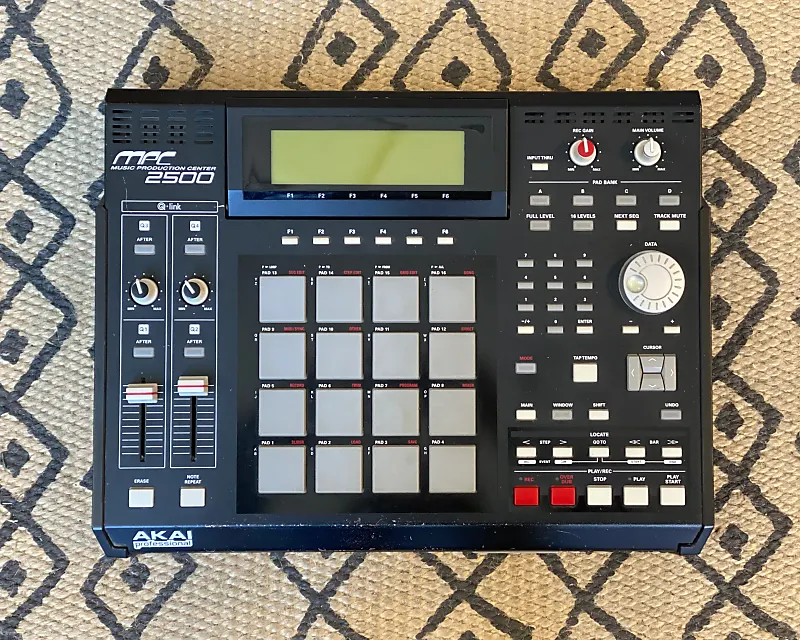
The Akai MPC2500 is a trusted tool for making beats and producing music, used by pros and performers alike. It has 16 classic pads, powerful sampling and editing features, and up to 128MB of memory for loading sounds. You get a 64-track sequencer, built-in effects, and real-time controls to shape your music as you play. With multiple outputs and easy file storage using CF cards or an optional hard drive, the MPC2500 gives you everything you need to create, perform, and finish your tracks—all in one solid machine.
EMU SP-1200 (reissued in 2021)
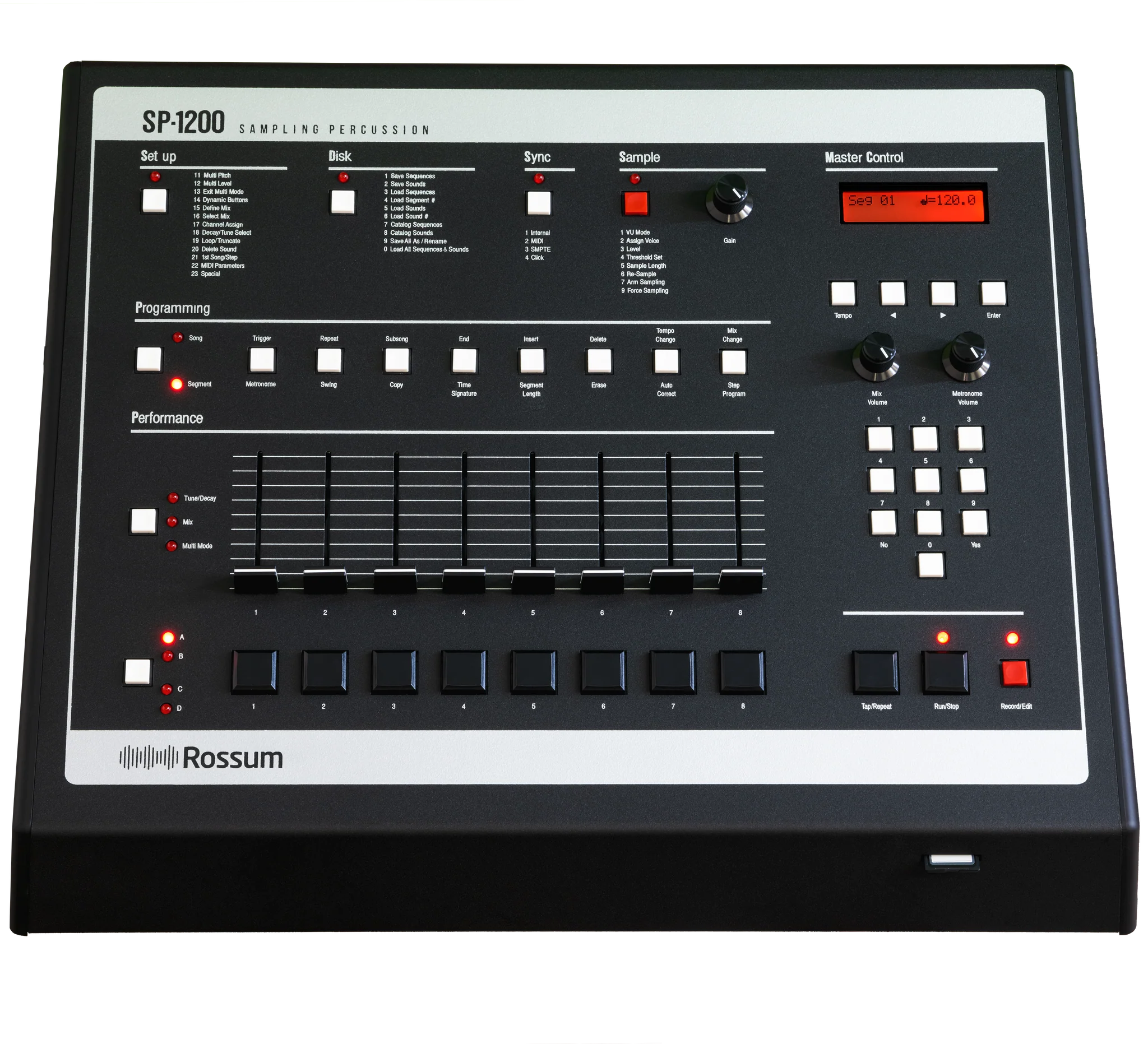
The EMU SP-1200 is a legendary sampler and drum machine, reissued in 2021 by Rossum Electro-Music, the company founded by its original designer, Dave Rossum. Revered for its gritty 12-bit sound and 26.04 kHz sampling rate, the reissue preserves the iconic character of the original while adding modern updates like an SD card slot, metal chassis, and doubled sampling time (20 seconds total). With new filter controls on channels 1 and 2 and local production in the U.S., the SP-1200 reissue is a faithful, rugged revival of one of hip-hop and electronic music’s most influential instruments.
| Spec | Akai MPC2500 | EMU SP-1200 (reissued in 2021) |
|---|---|---|
| Manufacturer | Akai Professional | EMU |
| Year Released | 2005 | 2021 |
| Polyphony | 64 | 12 |
| Sample Rate | 44.1kHz | 26.04kHz |
| Storage | CompactFlash, ZIP Drive | Internal memory |
| Pads | 16 velocity-sensitive pads | No pads |
| Sequencer | Yes | Yes |
| Effects | EQ, Compression, Reverb, Delay | Lo-fi effects |
| I/O | MIDI In/Out, Audio In/Out | Audio In/Out |
| Screen | LCD | No screen |
| Software Integration | MPC Software | No |
| Build | Standalone | Classic hardware reissue |
| Price | $800 used | $1500 |
| More about | Details | Details |
Comparing the Akai MPC2500 and the EMU SP-1200 (Reissued in 2021)
In this blog post, we explore the differences between two legendary samplers: the Akai MPC2500 and the EMU SP-1200 (reissued in 2021). Both have unique features and charm, but which one is right for you? Let’s dive in!
Introduction
Welcome, music gear enthusiasts! Today, we’re diving into the world of samplers, comparing two iconic devices: the Akai MPC2500 and the EMU SP-1200 reissued in 2021. Both have played significant roles in the music industry, but they offer different features and experiences. Whether you’re a seasoned producer or a beginner, understanding these differences can help you choose the right tool for your sound.
Feature Comparisons
Sound Quality and Polyphony
The Akai MPC2500 boasts a polyphony of 64, meaning it can handle 64 voices at once. This is fantastic for complex music productions where multiple sounds need to play simultaneously. It samples at a high rate of 44.1kHz, ensuring clear and crisp audio quality. On the other hand, the EMU SP-1200 has a polyphony of 12, which limits how many sounds it can play at once. Its sample rate is 26.04kHz, giving it a unique lo-fi sound that many producers love for its gritty and raw character.
Storage Options
Storage is an important factor when choosing a sampler. The Akai MPC2500 uses CompactFlash cards and ZIP drives, giving you ample space to store samples and projects. These storage options make it easier to manage and access your music files. In contrast, the EMU SP-1200 relies on internal memory, which can be limiting if you plan to work on multiple projects or need to store large sample libraries.
Pads and Sequencing
The Akai MPC2500 comes with 16 velocity-sensitive pads, perfect for live drumming and dynamic performances. These pads are a signature feature of the MPC series, allowing for expressive and intuitive beat-making. The EMU SP-1200, however, does not have pads. Instead, it offers a classic step sequencer, which is great for programming beats in a more traditional way.
Onboard Effects
Both samplers come with effects, but they differ in variety and application. The Akai MPC2500 includes EQ, compression, reverb, and delay, providing a wide range of options to shape your sound. In contrast, the EMU SP-1200 is known for its lo-fi effects, which contribute to its vintage vibe. These effects are part of what makes the SP-1200 so beloved among producers seeking that classic, gritty sound.
Inputs, Outputs, and Screen
The Akai MPC2500 offers MIDI In/Out and Audio In/Out, making it highly versatile for connecting with other gear. It also features an LCD screen, which helps with navigating menus and visualizing your work. The EMU SP-1200 has Audio In/Out but does not include MIDI connections or a screen. This simplicity can be a plus for those who prefer a more straightforward, tactile approach to music production.
Software Integration
Modern producers often need their hardware to integrate with software. The Akai MPC2500 works well with MPC Software, allowing seamless transitions between hardware and digital workstations. The EMU SP-1200, being a classic reissue, does not offer software integration. This can be a downside for those who want to incorporate their hardware into a larger digital setup.
Pros and Cons
Akai MPC2500
Pros:
- High polyphony (64 voices) and sample rate (44.1kHz) for excellent sound quality
- Versatile storage options with CompactFlash and ZIP drive
- 16 velocity-sensitive pads for dynamic performance
- Comprehensive effects suite: EQ, compression, reverb, and delay
- MIDI and Audio In/Out for connectivity
- LCD screen for easy navigation
- Software integration with MPC software
Cons:
- Might be overkill for those seeking a simple, lo-fi experience
- Bulkier than some other samplers
- Requires additional purchases for full storage capacity
EMU SP-1200 (Reissued in 2021)
Pros:
- Classic lo-fi sound with unique character
- Simple, straightforward interface
- Robust build as a classic hardware reissue
- Beloved by producers for its vintage vibe and gritty effects
Cons:
- Limited polyphony (12 voices) and lower sample rate (26.04kHz)
- Internal memory storage can be limiting
- No pads, MIDI connectivity, or screen
- No software integration, which limits digital workflow
Who Are These Samplers Best For?
The Akai MPC2500 is ideal for producers who need versatility and high-quality sound. It’s perfect for those who want to create complex arrangements and need robust connectivity with other gear. Its extensive effects and software integration make it suitable for modern studios.
On the other hand, the EMU SP-1200 (reissued in 2021) is best for those who cherish the classic, lo-fi sound and simplicity. It’s a great choice for producers who want to capture that vintage vibe without the distraction of advanced digital features.
Conclusion
In conclusion, both the Akai MPC2500 and the EMU SP-1200 offer unique features that cater to different needs. Whether you prioritize modern capabilities or a classic sound, understanding these differences can help you make the right choice for your music production journey. Happy sampling!