Akai MPC2500 — VS — Korg Volca Sample
Akai MPC2500
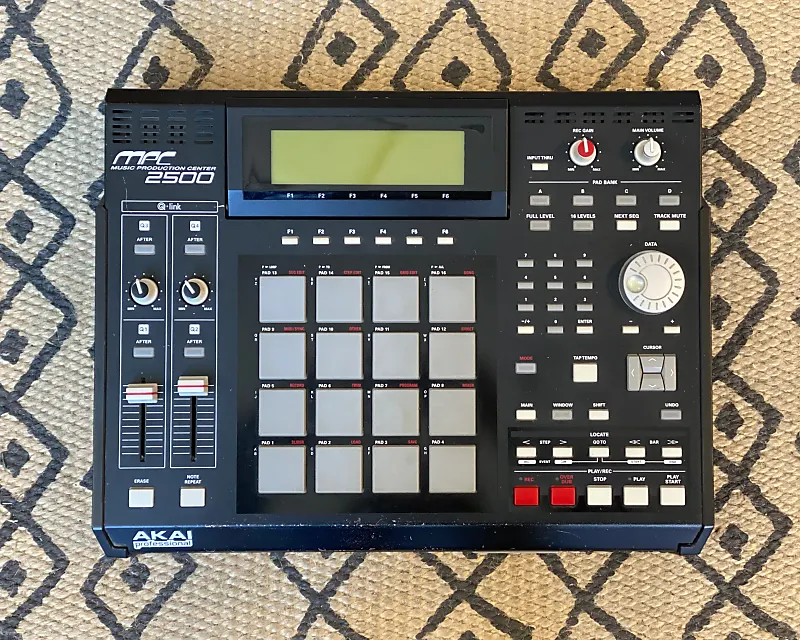
The Akai MPC2500 is a trusted tool for making beats and producing music, used by pros and performers alike. It has 16 classic pads, powerful sampling and editing features, and up to 128MB of memory for loading sounds. You get a 64-track sequencer, built-in effects, and real-time controls to shape your music as you play. With multiple outputs and easy file storage using CF cards or an optional hard drive, the MPC2500 gives you everything you need to create, perform, and finish your tracks—all in one solid machine.
Korg Volca Sample
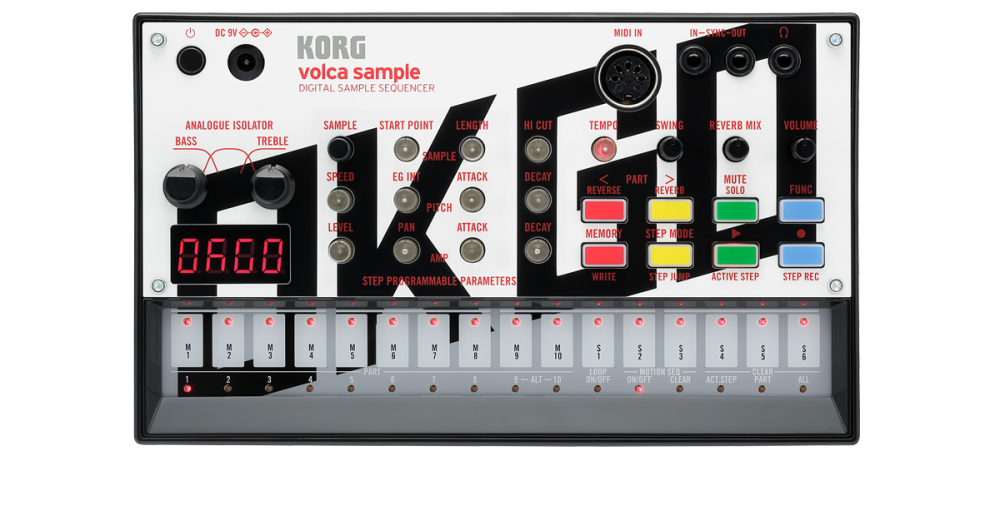
The original Korg Volca Sample is a small, hands-on drum machine that lets you play, tweak, and sequence up to 100 custom sounds. You can build beats, add motion effects, reverse samples, and create grooves with its fun and easy sequencer. It includes features like a powerful analog isolator, reverb, and song mode for more creative control. You could only load new samples using a special iOS app. This model has now been replaced by the improved <a href='/samplers/korg-volca-sample-2'>Volca Sample 2</a>, which adds USB, more memory, and a better workflow.
| Spec | Akai MPC2500 | Korg Volca Sample |
|---|---|---|
| Manufacturer | Akai Professional | Korg |
| Year Released | 2005 | 2014 |
| Polyphony | 64 | 16 |
| Sample Rate | 44.1kHz | 44.1kHz |
| Storage | CompactFlash, ZIP Drive | Internal memory |
| Pads | 16 velocity-sensitive pads | No pads, uses buttons |
| Sequencer | Yes | Yes |
| Effects | EQ, Compression, Reverb, Delay | Reverb, Delay |
| I/O | MIDI In/Out, Audio In/Out | MIDI In, Audio Out |
| Screen | LCD | LED indicators |
| Software Integration | MPC Software | No |
| Build | Standalone | Portable |
| Price | $800 used | $149 |
| More about | Details | Details |
Korg Volca Sample vs. Akai MPC2500: A Sampler Showdown
Summary: In this post, we’re diving into a comparison between two popular samplers: the Korg Volca Sample and the Akai MPC2500. Both are favorites among music enthusiasts, but they cater to slightly different needs. Let’s explore the features, pros, and cons of each to help you decide which sampler is right for you.
Introduction
Hello, music gear enthusiasts! If you’re on the hunt for a sampler that fits your music-making needs, you’ve come to the right place. Today, we’re comparing two fantastic options: the Korg Volca Sample and the Akai MPC2500. These devices have been loved by musicians for years, each offering unique features that cater to different kinds of creators. Whether you’re a beginner or a seasoned pro, understanding these samplers will help you make the best choice for your music journey.
Feature Comparison
Design and Build
The Korg Volca Sample is known for its compact and portable design. It’s small enough to fit in your backpack, making it perfect for live performances or creating music on the go. With its step sequencer and LED indicators, the Volca Sample is intuitive and easy to use, even for beginners. However, it doesn’t have pads; instead, it uses buttons to trigger samples.
On the other hand, the Akai MPC2500 is a standalone powerhouse. It’s bigger and built to be a robust part of your studio setup. The MPC2500 features 16 velocity-sensitive pads, which are fantastic for dynamic sample triggering and drum programming. It also has a large LCD screen, making it easier to navigate through your projects.
Sound and Effects
Both samplers have a sample rate of 44.1kHz, ensuring high-quality audio playback. The Volca Sample includes basic effects like reverb and delay, which can add depth to your sounds. It’s great for simple sound manipulation, but it doesn’t offer a wide range of effects.
The MPC2500 excels in this area, providing a variety of effects including EQ, compression, reverb, and delay. This allows for more detailed sound shaping and mixing, making it a versatile choice for producers who want to tweak their samples extensively.
Sequencing and Polyphony
Sequencing is a crucial feature for any sampler, and both devices deliver. The Volca Sample has a step sequencer, which is straightforward and perfect for building loops quickly. With 16-note polyphony, you can layer multiple samples to create rich, textured sounds.
The MPC2500 offers a more advanced sequencing capability, ideal for complex arrangements. Its 64-note polyphony allows for even more layering, giving you the freedom to create intricate compositions. This is perfect for producers looking to create detailed tracks with multiple elements.
Connectivity and Integration
When it comes to connecting with other gear, the Volca Sample is quite basic, offering MIDI In and Audio Out. It doesn’t have software integration, which might limit its use in a digital music production setup.
Conversely, the MPC2500 shines with its extensive connectivity options, including MIDI In/Out and Audio In/Out. It also integrates with MPC Software, allowing you to work seamlessly with your computer. This makes it more suitable for producers who want to mix hardware and software in their workflow.
Storage
Storage is another area where these samplers differ significantly. The Volca Sample relies on internal memory, which is convenient but limited in scope. You might find yourself needing to manage your samples carefully to avoid running out of space.
The MPC2500 uses CompactFlash and ZIP Drive for storage, providing more flexibility and capacity. This is ideal for producers who work with large sample libraries and need ample space for their projects.
Price
Lastly, let’s talk about price. The Korg Volca Sample is budget-friendly at $180, making it an excellent choice for beginners or those looking for an affordable sampler. On the flip side, the MPC2500 is priced at around $800 used, reflecting its advanced features and robust build. While it’s a bigger investment, it offers more capabilities for serious producers.
Pros and Cons
Korg Volca Sample
Pros:
- Compact and portable design
- Easy-to-use step sequencer
- Affordable price
- Ideal for live performances
Cons:
- Limited effects
- No pads, uses buttons
- Basic connectivity options
- No software integration
Akai MPC2500
Pros:
- Robust, standalone build
- 16 velocity-sensitive pads
- Extensive effects and sequencing capabilities
- Excellent connectivity and software integration
Cons:
- Larger and less portable
- Higher price point
- Requires external storage management
Conclusion
Both the Korg Volca Sample and the Akai MPC2500 have their own strengths and weaknesses. The Volca Sample is perfect for musicians who need a portable and budget-friendly option for live performances and quick music-making sessions. Meanwhile, the MPC2500 is ideal for producers who want a feature-rich and powerful sampler for studio use, with the flexibility of software integration and extensive effects.
Final Verdict
-
For Beginners and Live Performers: The Korg Volca Sample is your best bet. It’s affordable, easy to use, and portable, making it a great choice for new musicians or those who enjoy performing live.
-
For Advanced Producers and Studio Use: The Akai MPC2500 is the way to go. With its advanced features and robust build, it’s perfect for experienced producers looking to expand their creative possibilities in the studio.
No matter your choice, both of these samplers can open up new worlds of creativity. Happy music-making!