Akai MPC2500 — VS — Native Instruments Maschine Mikro Mk3
Akai MPC2500
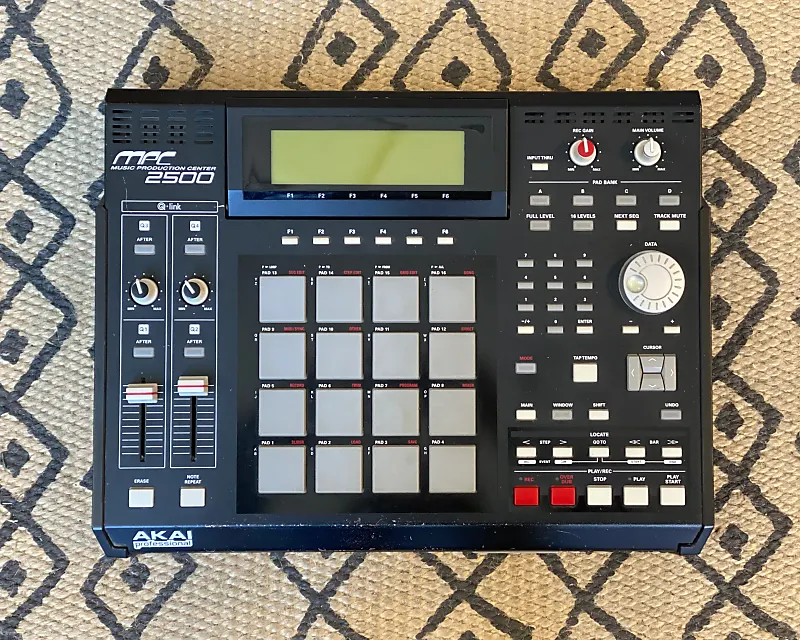
The Akai MPC2500 is a trusted tool for making beats and producing music, used by pros and performers alike. It has 16 classic pads, powerful sampling and editing features, and up to 128MB of memory for loading sounds. You get a 64-track sequencer, built-in effects, and real-time controls to shape your music as you play. With multiple outputs and easy file storage using CF cards or an optional hard drive, the MPC2500 gives you everything you need to create, perform, and finish your tracks—all in one solid machine.
Native Instruments Maschine Mikro Mk3
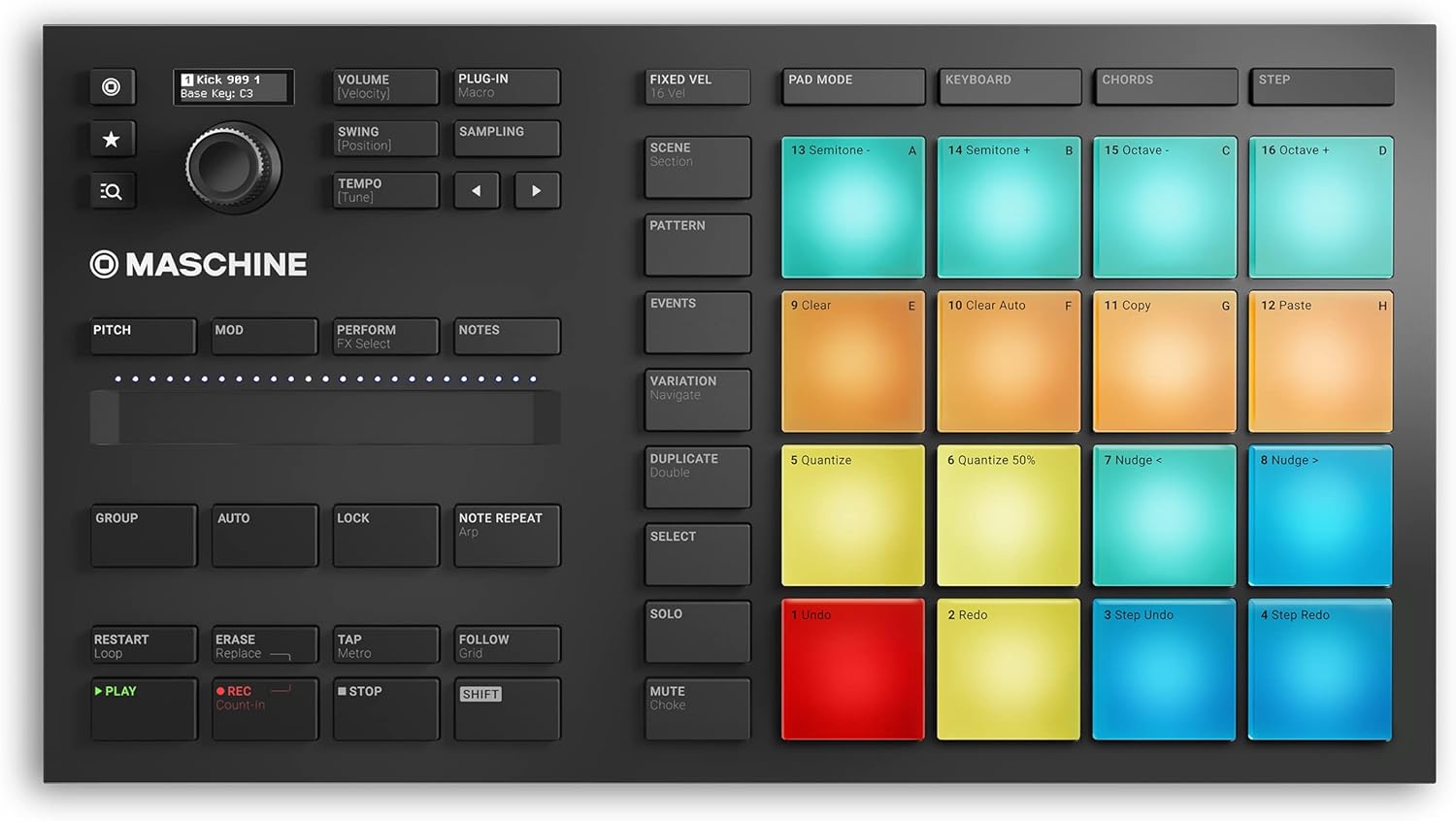
MASCHINE MIKRO Mk3 is a small, easy-to-use music tool that helps you make beats and songs with your computer. It works great with your favorite music software and gives you hands-on control with its 16 touch pads.</p><p class='text-gray-700 mb-4'>You can tap out drum beats, play melodies, build chords, or use the classic step-by-step method to create music. It comes with a bunch of built-in sounds—like drums, loops, and instruments—so you can start making tracks right away. MASCHINE MIKRO is powered by USB and works with all the major music programs like Ableton Live, Logic Pro, and FL Studio. It's a fun and powerful way to bring your music ideas to life.
| Spec | Akai MPC2500 | Native Instruments Maschine Mikro Mk3 |
|---|---|---|
| Manufacturer | Akai Professional | Native Instruments |
| Year Released | 2005 | 2017 |
| Polyphony | 64 | 128 |
| Sample Rate | 44.1kHz | 44.1kHz |
| Storage | CompactFlash, ZIP Drive | Internal storage |
| Pads | 16 velocity-sensitive pads | 16 large velocity-sensitive pads |
| Sequencer | Yes | Yes |
| Effects | EQ, Compression, Reverb, Delay | EQ, Reverb, Delay |
| I/O | MIDI In/Out, Audio In/Out | MIDI In/Out, USB, Audio Out |
| Screen | LCD | Full color display |
| Software Integration | MPC Software | Maschine Software |
| Build | Standalone | Controller |
| Price | $800 used | $269 |
| More about | Details | Details |
Buy the Native Instruments Maschine Mikro Mk3 on Amazon.com
Buy Now On AmazonAkai MPC2500 vs. Native Instruments Maschine Mikro Mk3: Which One is Right for You?
Are you looking to create some awesome beats or produce amazing music? If so, you’re in the right place! Today we are comparing two popular music-making devices: the Akai MPC2500 and the Native Instruments Maschine Mikro Mk3. Both are powerful tools, but they each have their own strengths. Let’s dive in to see which one might be the best fit for you!
Introduction
Music production is an exciting journey where creativity knows no bounds. Whether you’re a beginner or an experienced musician, having the right gear can make all the difference. That’s where samplers come in. Samplers allow you to create, shape, and manipulate sounds into something uniquely yours. Today, we’ll explore two popular choices in the world of samplers: the Akai MPC2500 and the Native Instruments Maschine Mikro Mk3. Both have their own unique features, and understanding these can help you make an informed choice.
Feature Comparison
Design and Build
The Akai MPC2500 is a standalone unit, which means it can function on its own without needing a computer. It’s a robust piece of hardware with a classic design. The unit features 16 velocity-sensitive pads that are great for finger drumming and triggering samples. There’s also an LCD screen that helps you navigate through its functions. The MPC2500 is built to last, with a solid construction that can withstand the rigors of both studio and live performances.
On the other hand, the Native Instruments Maschine Mikro Mk3 is a controller, meaning it works in tandem with a computer. It’s much more compact and lightweight compared to the MPC2500, making it highly portable. The Mk3 also features 16 large, velocity-sensitive pads, perfect for playing beats and melodies. Its full-color display provides a modern touch, offering a visual representation of your music as you create it.
Sound and Effects
Both devices operate at a sample rate of 44.1kHz, ensuring high-quality sound production. The MPC2500 boasts a polyphony of 64 voices, allowing you to layer multiple sounds without dropouts. It includes a variety of built-in effects like EQ, compression, reverb, and delay, giving you numerous options for sound shaping.
The Maschine Mikro Mk3 steps up the game with a polyphony of 128 voices, offering even more flexibility for complex compositions. It also includes built-in effects such as EQ, reverb, and delay, though it lacks compression. The Mk3’s effects are deeply integrated with its software, allowing for seamless manipulation and creativity.
Storage and Connectivity
When it comes to storage, the MPC2500 uses CompactFlash cards and ZIP drives. This might feel a bit old-school, but it provides a reliable way to save your projects. It also has multiple inputs and outputs, including MIDI and audio, making it versatile for different setups.
The Maschine Mikro Mk3 features internal storage, making it easy to save and access your projects directly on the device. Connectivity is straightforward with MIDI, USB, and audio outputs, making it compatible with various DAWs and computer setups. Being USB-powered, it’s also incredibly easy to set up and use anywhere.
Software and Integration
The Akai MPC2500 comes with its own MPC Software. This integration allows for advanced production capabilities, though the standalone nature of the device means you can work independently of a computer if you prefer.
Conversely, the Maschine Mikro Mk3 is designed to work seamlessly with the Maschine Software, providing an interactive experience that bridges hardware and software. It also integrates well with major DAWs like Ableton Live, Logic Pro, and FL Studio, offering flexibility for producers who work across different platforms.
Pros and Cons
Akai MPC2500
Pros:
- Standalone operation
- Solid and durable build
- Classic design with a tactile feel
- Comprehensive effects suite
- Reliable storage options
Cons:
- Bulky and less portable
- Storage options may feel outdated
- Higher price point
Native Instruments Maschine Mikro Mk3
Pros:
- Compact and portable
- Modern, full-color display
- High polyphony
- Seamless software integration
- Affordable price
Cons:
- Requires a computer to operate
- Less tactile than standalone units
- Lacks compression effect
Conclusion
Both the Akai MPC2500 and the Native Instruments Maschine Mikro Mk3 offer unique benefits for music producers. The MPC2500 is ideal for those who want a standalone experience with a classic feel, while the Maschine Mikro Mk3 is perfect for modern producers who prefer working with computer software.
Final Verdict
If you’re someone who loves the idea of a standalone device with a traditional approach to beat-making, the Akai MPC2500 could be your perfect match. It’s a reliable workhorse that’s built to last. However, if you prefer a more modern, software-driven approach with excellent integration and portability, the Native Instruments Maschine Mikro Mk3 is likely the better choice.
Whichever you choose, both devices offer incredible potential to bring your musical ideas to life. Happy music-making!