Akai MPC2500 — VS — Native Instruments Maschine Mk3
Akai MPC2500
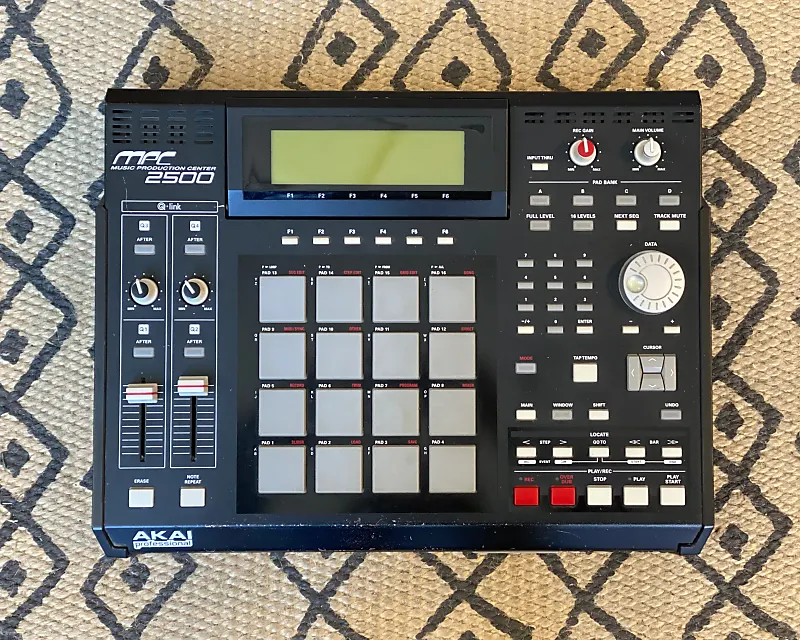
The Akai MPC2500 is a trusted tool for making beats and producing music, used by pros and performers alike. It has 16 classic pads, powerful sampling and editing features, and up to 128MB of memory for loading sounds. You get a 64-track sequencer, built-in effects, and real-time controls to shape your music as you play. With multiple outputs and easy file storage using CF cards or an optional hard drive, the MPC2500 gives you everything you need to create, perform, and finish your tracks—all in one solid machine.
Native Instruments Maschine Mk3
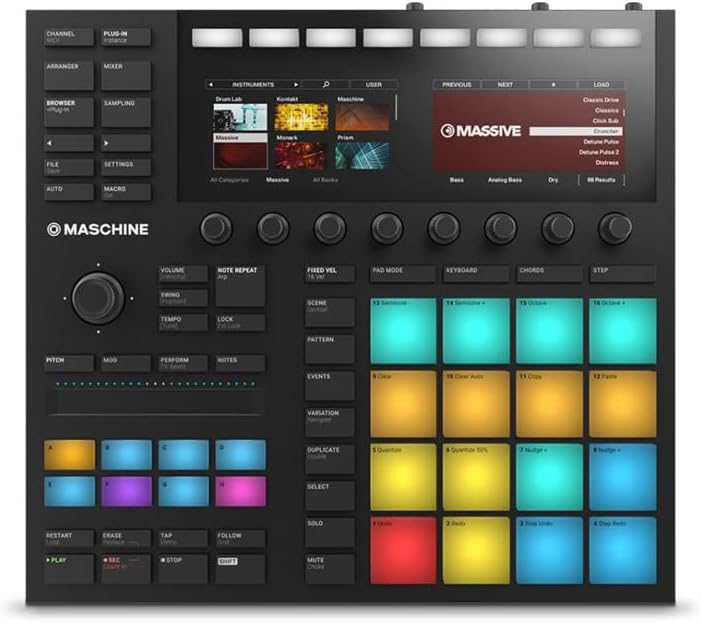
The Native Instruments Maschine Mk3 is an all-in-one music-making system that helps you create songs, beats, and live performances. It combines powerful software with easy-to-use hardware, including a sampler, mixer, effects, and a built-in sound library with 25 GB of professional sounds. You can connect instruments, a microphone, headphones, and even other music gear with the built-in audio interface. The touch-sensitive knobs and Smart Strip let you shape your sounds in creative ways. It works with all the major music programs, so you can plug it in and start making music right away.
| Spec | Akai MPC2500 | Native Instruments Maschine Mk3 |
|---|---|---|
| Manufacturer | Akai Professional | Native Instruments |
| Year Released | 2005 | 2017 |
| Polyphony | 64 | 128 |
| Sample Rate | 44.1kHz | 44.1kHz |
| Storage | CompactFlash, ZIP Drive | Internal storage |
| Pads | 16 velocity-sensitive pads | 16 large velocity-sensitive pads |
| Sequencer | Yes | Yes |
| Effects | EQ, Compression, Reverb, Delay | EQ, Reverb, Delay |
| I/O | MIDI In/Out, Audio In/Out | MIDI In/Out, USB, Audio Out |
| Screen | LCD | Full color display |
| Software Integration | MPC Software | Maschine Software |
| Build | Standalone | Controller |
| Price | $800 used | $700 |
| More about | Details | Details |
Buy the Native Instruments Maschine Mk3 on Amazon.com
Buy Now On AmazonNative Instruments Maschine Mk3 vs. Akai MPC2500: A Detailed Comparison
Summary: If you’re a music producer or beat maker deciding between the Native Instruments Maschine Mk3 and the Akai MPC2500, this article will guide you. Both are powerful tools, but they cater to different needs. We’ll break down their features, pros, and cons to help you pick the right one for your music journey.
Introduction
Hello, music lovers! Are you ready to dive into the world of samplers? Today, we’re comparing two big names: the Native Instruments Maschine Mk3 and the Akai MPC2500. Whether you’re just starting out or you’re a seasoned pro, picking the right gear is important. Each sampler has its own charm and features that make it unique. Let’s explore what makes these samplers stand out and help you decide which one is your perfect match.
Feature Comparison
Year and Build
First, let’s look at when these samplers were born. The Native Instruments Maschine Mk3 came out in 2017. It’s a modern controller that needs to be connected to a computer to work. On the other hand, the Akai MPC2500 was released in 2005. It’s a standalone device, meaning it can work all by itself. If you like the idea of making music without a computer, the MPC2500 might be for you.
Polyphony and Sample Rate
Polyphony is about how many sounds a sampler can play at once. The Maschine Mk3 has 128 voices of polyphony, which is double what the MPC2500 offers with its 64 voices. Both have a sample rate of 44.1kHz, so they capture sound at the same quality. If you need more complex sounds, the Maschine Mk3 might be your pick.
Pads and Sequencer
Both samplers have 16 velocity-sensitive pads, but the Maschine Mk3’s pads are larger. This can make a difference if you like having more space to tap out beats. Both devices have a sequencer, which is like a musical timeline to organize your sounds. Whether you prefer newer tech or a classic feel, both are great for making beats.
Effects and I/O
Effects can add magic to your music. The Maschine Mk3 has EQ, Reverb, and Delay, while the MPC2500 also includes Compression. If you want more effects options, the MPC2500 gives you an extra tool with Compression. For inputs and outputs (I/O), the Maschine Mk3 connects through MIDI In/Out, USB, and Audio Out. The MPC2500 has MIDI In/Out and Audio In/Out, but no USB. Think about how you plan to connect your gear when choosing.
Screen and Software Integration
The screen can be important for navigating your sampler. The Maschine Mk3 has a full-color display, which is bright and easy to read. The MPC2500 has a simple LCD screen. When it comes to software, the Maschine Mk3 works with Maschine Software, while the MPC2500 integrates with MPC Software. Depending on the software you prefer, this could be a deciding factor.
Pros and Cons
Native Instruments Maschine Mk3
Pros:
- Modern interface with a full-color display
- High polyphony with 128 voices
- Great software integration with Maschine Software
- Large, easy-to-use pads
- More affordable price at $700
Cons:
- Requires a computer to operate
- Limited to EQ, Reverb, and Delay effects
Akai MPC2500
Pros:
- Standalone operation, no computer needed
- Includes Compression effect in addition to EQ, Reverb, and Delay
- Classic design and feel
- Can use CompactFlash and ZIP Drive for storage
Cons:
- Lower polyphony with 64 voices
- Older, basic LCD screen
- Higher price at $800 used
Conclusion
Both the Native Instruments Maschine Mk3 and the Akai MPC2500 are fantastic tools for music production, each with its own strengths. The Maschine Mk3 shines with its modern features and integration, perfect for those who love working with software. The MPC2500 stands out for its standalone capability and classic feel, great for those who want a more traditional beat-making experience.
Final Verdict
If you’re tech-savvy and love working with cutting-edge software, the Maschine Mk3 is your perfect match. It’s great for anyone who wants a controller that keeps up with modern technology. However, if you prefer making music without a computer and appreciate vintage vibes, the MPC2500 is ideal for you. It’s a solid choice for those who enjoy the classic touch of standalone samplers.
Happy music-making, and may your beats always be on point!