Akai MPC2500 — VS — Polyend Play
Akai MPC2500
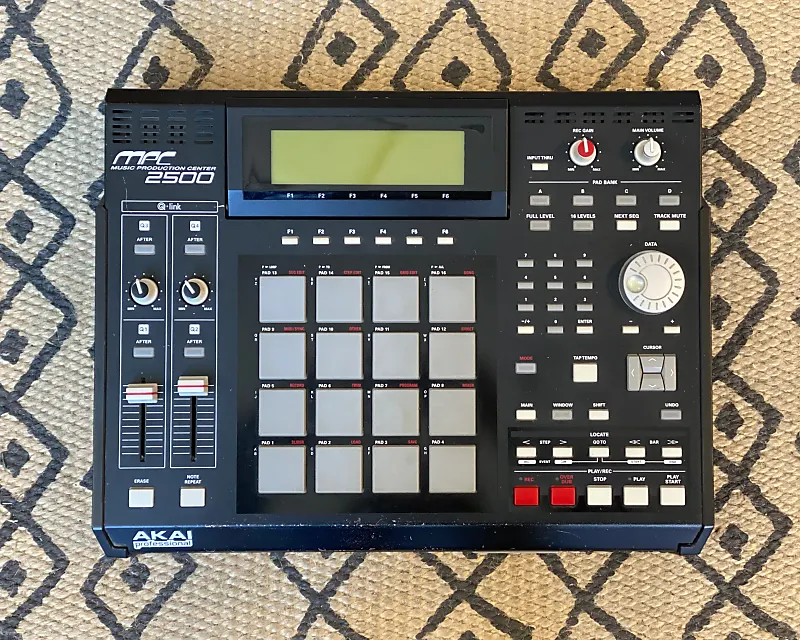
The Akai MPC2500 is a trusted tool for making beats and producing music, used by pros and performers alike. It has 16 classic pads, powerful sampling and editing features, and up to 128MB of memory for loading sounds. You get a 64-track sequencer, built-in effects, and real-time controls to shape your music as you play. With multiple outputs and easy file storage using CF cards or an optional hard drive, the MPC2500 gives you everything you need to create, perform, and finish your tracks—all in one solid machine.
Polyend Play
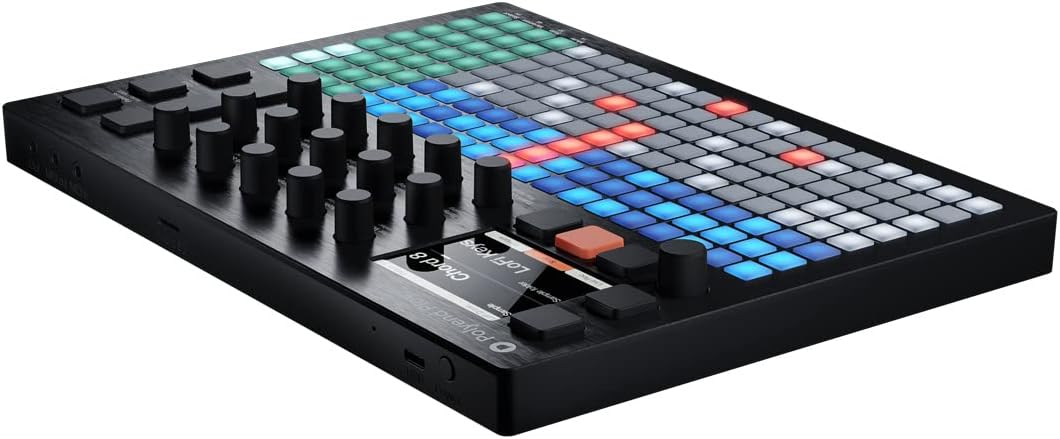
The Polyend Play is a powerful and intuitive sampler and groovebox designed for creative freedom without the complexity. It features over 30 ready-to-use sample kits, eight audio tracks, and eight polyphonic MIDI tracks, all accessible through a user-friendly interface tailored for both studio production and live performance. With 35 unique playback modes, randomizer and step repeater functions, a flexible 64-step sequencer, customizable pattern placement, onboard effects, and deep MIDI integration, the Play invites hands-on experimentation and effortless arrangement—whether you're jamming or building complete tracks from scratch.
| Spec | Akai MPC2500 | Polyend Play |
|---|---|---|
| Manufacturer | Akai Professional | Polyend |
| Year Released | 2005 | 2022 |
| Polyphony | 64 | 64 |
| Sample Rate | 44.1kHz | 44.1kHz |
| Storage | CompactFlash, ZIP Drive | MicroSD card |
| Pads | 16 velocity-sensitive pads | 16 velocity-sensitive pads |
| Sequencer | Yes | Yes |
| Effects | EQ, Compression, Reverb, Delay | Multiple effects |
| I/O | MIDI In/Out, Audio In/Out | MIDI In/Out, USB, Audio In/Out |
| Screen | LCD | LCD display |
| Software Integration | MPC Software | No |
| Build | Standalone | Groovebox |
| Price | $800 used | $1100 |
| More about | Details | Details |
Buy the Polyend Play on Amazon.com
Buy Now On AmazonPolyend Play vs. Akai MPC2500: Which Sampler is Right for You?
Summary
In this blog post, we’re diving into the world of samplers with a detailed comparison between the Polyend Play and the Akai MPC2500. Both are powerful tools for music production, but they cater to different needs. Let’s explore their features, pros, and cons to help you decide which one is best for your creative workflow.
Introduction
Welcome to the world of music production, where samplers like the Polyend Play and the Akai MPC2500 are your magic wands to create incredible sounds. Whether you’re a seasoned musician or just starting your musical journey, choosing the right sampler can make a world of difference. Today, we’re going to explore two popular options: the Polyend Play and the Akai MPC2500. These devices have unique features and strengths, so let’s jump in and find out which one suits your style!
Feature Comparisons
Year of Release
The Polyend Play is a modern groovebox released in 2022, while the Akai MPC2500 has been around since 2005. This means the Polyend Play benefits from more recent technology and design improvements, while the MPC2500 is a classic that has stood the test of time.
Polyphony
Both samplers offer 64-note polyphony. This means you can play up to 64 sounds at once, allowing for rich and layered compositions.
Sample Rate
The sample rate is a measure of audio quality. Both the Polyend Play and the Akai MPC2500 operate at a standard rate of 44.1kHz, ensuring clear and professional sound recordings.
Storage
When it comes to storage, the Polyend Play uses a MicroSD card, which is convenient and easily accessible. On the other hand, the Akai MPC2500 uses CompactFlash and ZIP Drive storage options, which may seem a bit dated but were standard at the time of its release.
Pads and Sequencer
Both devices feature 16 velocity-sensitive pads, giving you expressive control over your music. They also both include a sequencer, which is essential for arranging your sounds and creating complete tracks.
Effects
The Polyend Play comes with multiple effects that offer a wide range of sound manipulation options. The Akai MPC2500 includes EQ, Compression, Reverb, and Delay, providing classic effects for shaping your audio.
I/O Options
In terms of connectivity, both samplers have MIDI In/Out, Audio In/Out, and USB ports. This makes them versatile for connecting to other music gear and computers.
Display and Software Integration
Both samplers are equipped with an LCD screen for navigating their features. However, the Akai MPC2500 has the advantage of integrating with MPC Software, expanding its capabilities when connected to a computer. The Polyend Play does not offer this software integration.
Build and Price
The Polyend Play is designed as a groovebox and is priced at $1100. Its modern build and workflow reflect its contemporary design. The Akai MPC2500 is a standalone device available for around $800 used, making it a more budget-friendly option for those willing to buy second-hand.
Pros and Cons
Polyend Play
Pros:
- Modern design with contemporary features
- MicroSD card storage is convenient and expandable
- Multiple effects for creative sound design
- High-quality construction and intuitive workflow
Cons:
- Higher price point at $1100
- Lacks software integration for expanded capabilities
Akai MPC2500
Pros:
- Classic design with a strong reputation
- Includes essential effects like EQ and Compression
- Integrates with MPC Software for enhanced functionality
- More affordable at $800 used
Cons:
- Uses older storage media (CompactFlash and ZIP Drive)
- Slightly dated interface compared to newer models
Final Verdict: Which Sampler is Best for You?
Choosing between the Polyend Play and the Akai MPC2500 depends on your specific needs and preferences. The Polyend Play is ideal for those seeking a modern, all-in-one groovebox with a sleek design and robust features. It’s perfect for musicians who value contemporary technology and are willing to invest in a new device.
On the other hand, the Akai MPC2500 is a fantastic choice for those who appreciate classic gear with a proven track record. It’s a budget-friendly option that offers essential features and software integration, making it suitable for producers who enjoy working with both hardware and software.
Ultimately, both samplers have their strengths, and either one could be the perfect addition to your music production toolkit. Be sure to consider your workflow, budget, and the specific features that matter most to you when making your decision. Happy sampling!