Akai MPC2500 — VS — Polyend Play+
Akai MPC2500
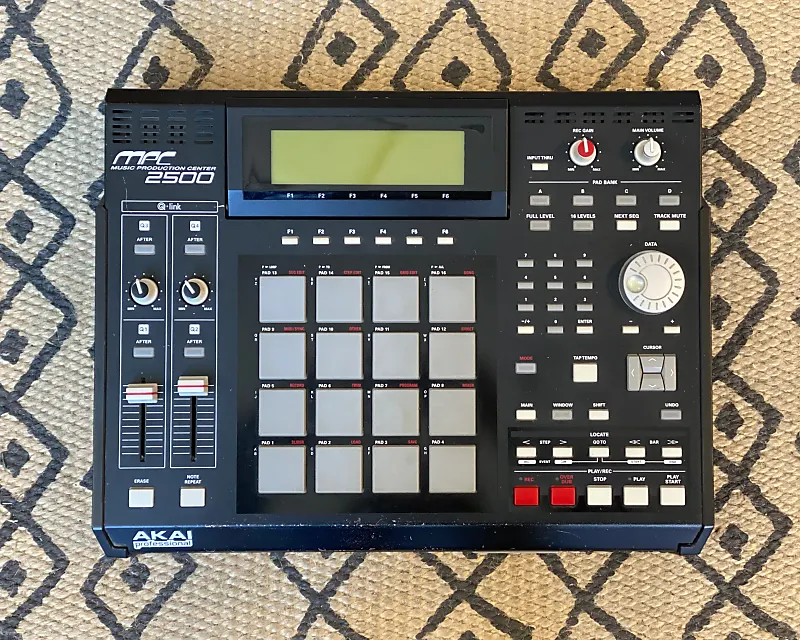
The Akai MPC2500 is a trusted tool for making beats and producing music, used by pros and performers alike. It has 16 classic pads, powerful sampling and editing features, and up to 128MB of memory for loading sounds. You get a 64-track sequencer, built-in effects, and real-time controls to shape your music as you play. With multiple outputs and easy file storage using CF cards or an optional hard drive, the MPC2500 gives you everything you need to create, perform, and finish your tracks—all in one solid machine.
Polyend Play+
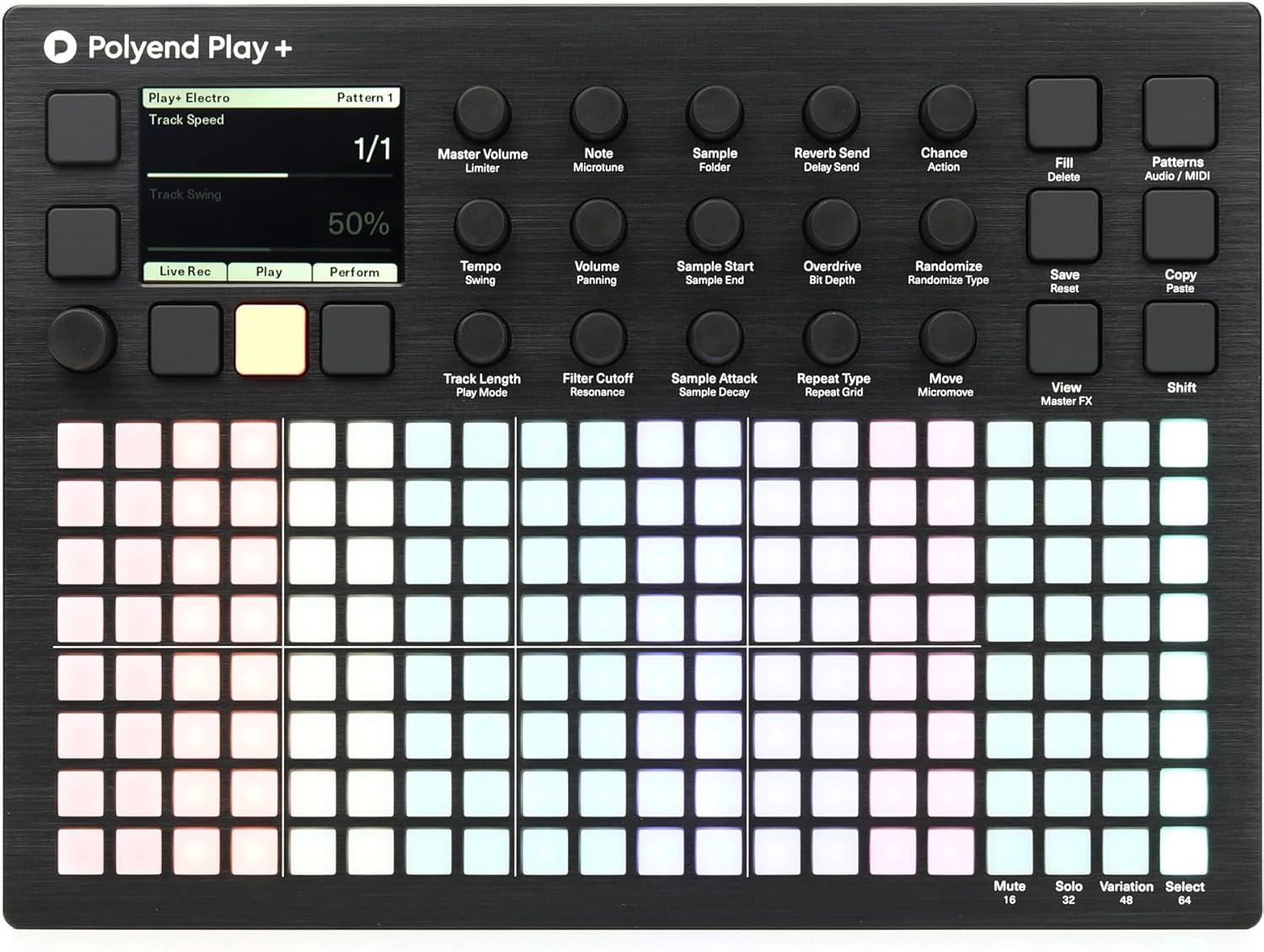
The Polyend Play+ builds on the original Polyend Play by adding upgraded internals and expanded features for creative sequencing, sample playback, and live performance. It supports stereo sample playback, powerful track-based sequencing, per-step automation, and advanced MIDI sequencing—all with a large 8x8 grid and deep performance tools. Ideal for electronic producers and live performers looking for a portable yet capable music workstation.
| Spec | Akai MPC2500 | Polyend Play+ |
|---|---|---|
| Manufacturer | Akai Professional | Polyend |
| Year Released | 2005 | 2023 |
| Polyphony | 64 | 8 |
| Sample Rate | 44.1kHz | 44.1kHz / 16-bit |
| Storage | CompactFlash, ZIP Drive | MicroSD card |
| Pads | 16 velocity-sensitive pads | 8x8 velocity-sensitive pad grid |
| Sequencer | Yes | Yes, 16-track pattern-based |
| Effects | EQ, Compression, Reverb, Delay | Reverb, Delay, Overdrive, EQ, Master FX |
| I/O | MIDI In/Out, Audio In/Out | Stereo In, Stereo Out, MIDI In/Out/Thru, USB-C |
| Screen | LCD | High-res color display |
| Software Integration | MPC Software | Drag-and-drop sample management via USB |
| Build | Standalone | Modern standalone groovebox sampler |
| Price | $800 used | $799 |
| More about | Details | Details |
Buy the Polyend Play+ on Amazon.com
Buy Now On AmazonSampler Showdown: Akai MPC2500 vs. Polyend Play+
Summary: Dive into the world of music production with the Akai MPC2500 and Polyend Play+. These two samplers are loved by musicians for different reasons. Let’s explore their features, see how they compare, and find out which one might be your next tool for making awesome music.
Introduction
Making music is like painting a picture. You need the right tools to bring your ideas to life. For many music producers, samplers are the brushes and colors of their sound palette. Two popular choices in the world of samplers are the Akai MPC2500 and the Polyend Play+. Each has its own unique features, strengths, and quirks. Whether you’re a budding musician or a seasoned pro, understanding the differences between these two can help you choose the right one for your creative journey. So, let’s jump in and see what makes each of these samplers special!
Getting to Know the Akai MPC2500
The Akai MPC2500 is a classic piece of music gear. Released in 2005, it’s been a staple in studios and on stages for years. With 16 velocity-sensitive pads, this sampler is all about tactile, hands-on music making. Its 64-note polyphony means you can layer sounds for rich, full tracks. It comes with EQ, Compression, Reverb, and Delay effects, which are great for shaping your sound.
This sampler uses CompactFlash or ZIP Drives for storage, which might seem a bit old-school today, but it was top-notch back in the day. The MPC2500 also has a built-in sequencer, letting you create complex tracks with up to 64 tracks. You can integrate it with MPC Software, making it a versatile tool for both live performances and studio sessions. The price is around $800 on the used market, making it a solid choice for those looking for a trusted, standalone music production tool.
Pros:
- Classic, reliable design
- 16 tactile pads for a hands-on experience
- 64-track sequencer for complex arrangements
- Built-in effects for sound shaping
- Solid build and standalone use
Cons:
- Older storage options like CompactFlash and ZIP Drives
- LCD screen not as modern as newer models
- No built-in modern connectivity like USB-C
Getting to Know the Polyend Play+
The Polyend Play+ is a modern marvel in the world of samplers. Released in 2023, it’s packed with features that cater to today’s electronic music producers. It has a unique 8x8 velocity-sensitive pad grid, making it a joy to explore and experiment with sounds. While it offers 8-note polyphony, which is less than the MPC2500, it compensates with a high-res color display and a powerful 16-track pattern-based sequencer.
The Polyend Play+ supports stereo sample playback and offers effects like Reverb, Delay, Overdrive, EQ, and Master FX. It uses a MicroSD card for storage, which is convenient for swapping samples in and out quickly. With its USB-C connectivity, drag-and-drop sample management, and advanced MIDI sequencing, it’s perfect for live performers and electronic producers. Priced at $799, it’s a competitive choice for those seeking a modern and portable music-making device.
Pros:
- Modern design with 8x8 pad grid
- High-res color display for easy navigation
- 16-track pattern-based sequencer
- Convenient USB-C connectivity and sample management
- Portable and feature-rich for live performances
Cons:
- 8-note polyphony might be limiting for some users
- Newer device, so fewer used options available
- Might have a learning curve for those new to modern grooveboxes
Feature Comparison
Pads and Playability
The Akai MPC2500 offers 16 large velocity-sensitive pads. These are perfect for drumming out beats and triggering samples in a more traditional way. Meanwhile, the Polyend Play+ introduces an 8x8 grid of pads. This setup is designed for a different kind of creativity, allowing for more intricate patterns and sequences. It’s like having a musical chessboard at your fingertips!
Sequencing Power
Both samplers come with sequencing capabilities, but they approach it differently. The MPC2500 provides a 64-track sequencer, which is excellent for creating detailed compositions. On the other hand, the Polyend Play+ features a 16-track pattern-based sequencer. This makes it ideal for loop-based music and live performance where you can easily switch between patterns.
Effects and Sound Shaping
When it comes to effects, both samplers offer a range of options. The MPC2500 includes EQ, Compression, Reverb, and Delay. These are solid choices for crafting your sound. The Polyend Play+ steps it up with additional effects like Overdrive and Master FX. These can add a modern edge to your music, giving you more options for creative expression.
Storage and Connectivity
Storage and connectivity are crucial for any modern musician. The MPC2500 uses CompactFlash and ZIP Drives, which might feel a bit dated today. The Polyend Play+ uses a MicroSD card for storage and offers USB-C connectivity. This makes transferring samples and managing your music library a breeze.
Screens and Displays
The MPC2500 has an LCD screen, which gets the job done but lacks the visual clarity of newer displays. The Polyend Play+ features a high-res color display, making it easier to navigate menus and view your projects.
Who’s It For?
Akai MPC2500: This sampler is great for those who love the classic feel of older music gear. If you enjoy tactile controls and need a reliable, standalone machine for making beats, the MPC2500 is a tried-and-true choice. It’s perfect for hip-hop producers, beatmakers, and anyone who appreciates a hands-on approach to music making.
Polyend Play+: If you’re into electronic music and live performance, the Polyend Play+ might be your new best friend. Its modern features, powerful sequencer, and ability to integrate easily with other gear make it ideal for producers and performers who want a portable yet mighty music workstation.
Final Verdict
Both the Akai MPC2500 and the Polyend Play+ have their own unique charms and strengths. The MPC2500 is a classic choice with a proven track record, while the Polyend Play+ offers modern features for today’s music creators. Depending on your style and needs, either of these samplers could be the perfect addition to your setup. Choose the one that speaks to your musical heart, and let your creativity flow!