Akai MPC2500 — VS — Polyend Tracker
Akai MPC2500
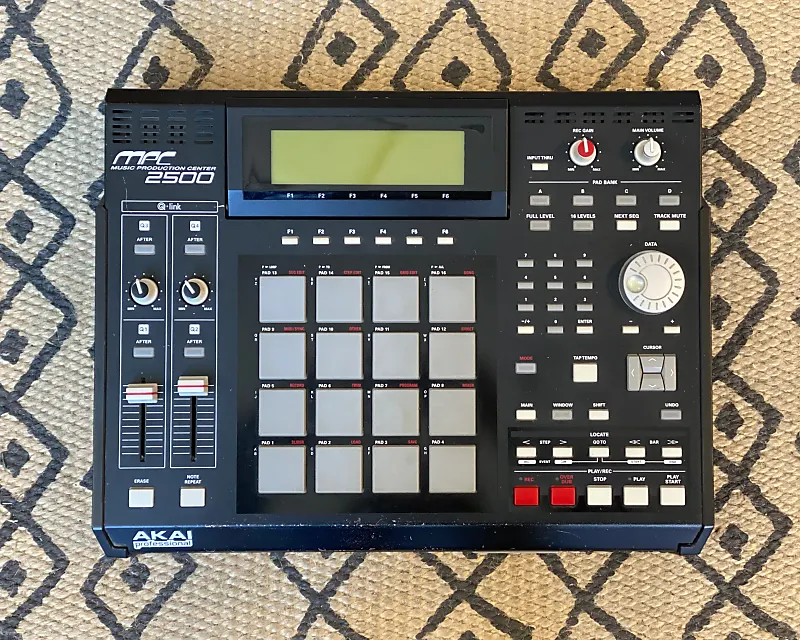
The Akai MPC2500 is a trusted tool for making beats and producing music, used by pros and performers alike. It has 16 classic pads, powerful sampling and editing features, and up to 128MB of memory for loading sounds. You get a 64-track sequencer, built-in effects, and real-time controls to shape your music as you play. With multiple outputs and easy file storage using CF cards or an optional hard drive, the MPC2500 gives you everything you need to create, perform, and finish your tracks—all in one solid machine.
Polyend Tracker
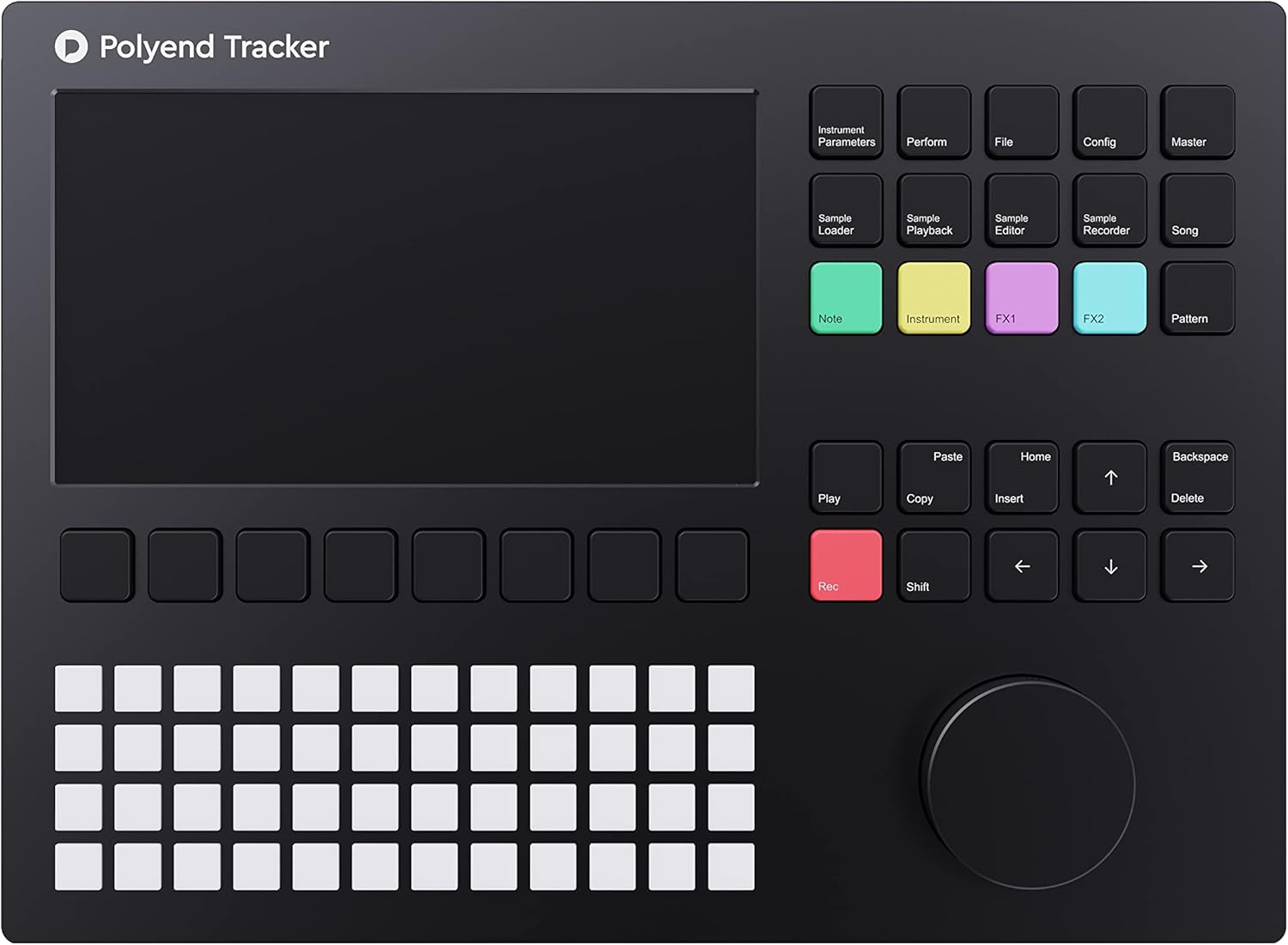
Polyend Tracker is a powerful, easy-to-use music workstation that helps you create and perform your own songs. It's compact, lightweight, and built for making music anywhere—at home, in the studio, or on the go. You can load in your own samples, record new ones with a mic or even from the built-in FM radio, then slice, shape, and play them your way. It has a simple layout, a strong sequencer, and tools like filters and effects to build full tracks. You can also connect it to other gear using MIDI. It's made for creative people who want a fresh, hands-on way to make music.
| Spec | Akai MPC2500 | Polyend Tracker |
|---|---|---|
| Manufacturer | Akai Professional | Polyend |
| Year Released | 2005 | 2020 |
| Polyphony | 64 | 64 |
| Sample Rate | 44.1kHz | 44.1kHz |
| Storage | CompactFlash, ZIP Drive | MicroSD card |
| Pads | 16 velocity-sensitive pads | No pads, buttons for input |
| Sequencer | Yes | Yes |
| Effects | EQ, Compression, Reverb, Delay | Multiple effects |
| I/O | MIDI In/Out, Audio In/Out | MIDI In/Out, USB, Audio In/Out |
| Screen | LCD | LCD display |
| Software Integration | MPC Software | No |
| Build | Standalone | Tracker-style sampler |
| Price | $800 used | $599 |
| More about | Details | Details |
Buy the Polyend Tracker on Amazon.com
Buy Now On AmazonPolyend Tracker vs. Akai MPC2500: A Sampler Showdown
Summary: The Polyend Tracker and Akai MPC2500 are two popular samplers that offer unique features for music production. This blog post will explore their differences, strengths, and weaknesses to help you decide which one might be the best fit for your musical needs.
Introduction
Sampling is a magical art in music production, allowing creators to take sounds from the world around them and transform them into something entirely new. When it comes to samplers, two devices often come up in conversations: the Polyend Tracker and the Akai MPC2500. Both have unique features that cater to different types of music makers. Whether you’re a seasoned producer or just starting, understanding what each of these samplers offers can help you make a more informed decision. So, let’s dive in and explore these two amazing devices!
Feature Comparison
Design and Build
The first thing to notice about the Polyend Tracker is its tracker-style design. It’s sleek and modern, resembling a compact laptop more than a traditional sampler. It doesn’t have the classic pads you’d expect but uses buttons for input. This makes it a bit different from other samplers, offering a unique approach to music making.
On the other hand, the Akai MPC2500 sticks to a more traditional design. It has 16 velocity-sensitive pads that make it feel like a classic piece of music gear. The MPC2500 is a bit older, released in 2005, but it still holds a solid place in many studios thanks to its robust build and classic feel.
Sound and Effects
Both devices offer a polyphony of 64, meaning they can play up to 64 notes simultaneously. This is great for creating rich, layered sounds. They also share a sample rate of 44.1kHz, which is standard for high-quality audio.
When it comes to effects, the Polyend Tracker offers multiple effects to choose from, giving you a wide range of creative options. The Akai MPC2500 also has a strong effects section, including EQ, compression, reverb, and delay. These effects are crucial for shaping your sound and adding depth to your tracks.
Storage and Connectivity
The Polyend Tracker uses a MicroSD card for storage, which is convenient and easy to upgrade. It also comes with MIDI In/Out, USB, and Audio In/Out, making it versatile for connecting to other devices.
In contrast, the Akai MPC2500 uses CompactFlash and ZIP drives for storage. While these options might feel a bit dated, they still work well for many users. Like the Polyend, it also offers MIDI and Audio In/Out, ensuring you can integrate it into your studio setup.
Screen and Software
Both samplers sport an LCD display, which is essential for navigating through menus and making music. However, the Akai MPC2500 has the advantage of software integration with MPC Software. This allows for more seamless interaction with your computer and can enhance your workflow.
Meanwhile, the Polyend Tracker does not offer software integration, which might be a downside for those who prefer a more connected workflow.
Pros and Cons
Polyend Tracker Pros:
- Unique Sequencing Approach: Offers a fresh and innovative way to create music with its tracker-style interface.
- Multiple Effects: A wide range of effects allows for creative sound design.
- Modern Design: Sleek and compact, easy to carry around.
Polyend Tracker Cons:
- No Pads: Lacks the traditional pads, which might not appeal to everyone.
- No Software Integration: Limits connectivity with computer software.
Akai MPC2500 Pros:
- Classic Design: The 16 pads offer a tactile and familiar music-making experience.
- Strong Effects Suite: Includes essential effects like EQ and reverb.
- Software Integration: Works well with MPC Software for enhanced production capabilities.
Akai MPC2500 Cons:
- Older Storage Options: CompactFlash and ZIP drives might feel outdated.
- Bulkier Build: Larger and heavier, which might not be ideal for portability.
Conclusion
Choosing between the Polyend Tracker and Akai MPC2500 ultimately comes down to your personal preferences and needs. If you value a modern, compact design and enjoy experimenting with new ways of making music, the Polyend Tracker could be the right choice for you. On the other hand, if you prefer a classic feel with tactile pads and don’t mind an older device, the Akai MPC2500 remains a robust and reliable option.
Final Verdict
For those who love experimenting and want a portable, modern device, the Polyend Tracker is a fantastic choice. It’s especially great for electronic music producers who enjoy the challenge of a tracker-style interface. Meanwhile, the Akai MPC2500 is perfect for hip-hop producers and traditionalists who appreciate the classic pad-based workflow and the rich history of the MPC series.
In the world of samplers, both the Polyend Tracker and Akai MPC2500 have carved out their niches. Whichever you choose, you’re sure to find a powerful tool for your musical journey.