Akai MPC2500 — VS — Polyend Tracker+
Akai MPC2500
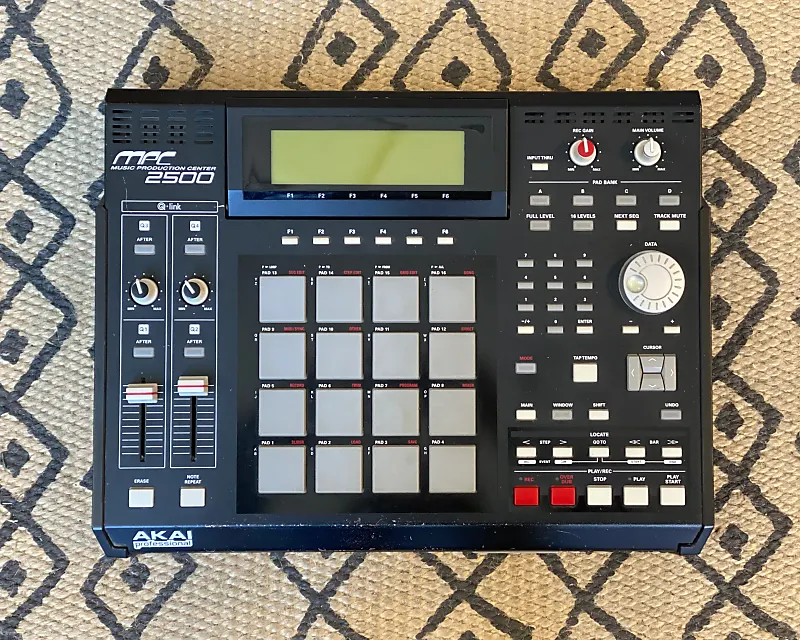
The Akai MPC2500 is a trusted tool for making beats and producing music, used by pros and performers alike. It has 16 classic pads, powerful sampling and editing features, and up to 128MB of memory for loading sounds. You get a 64-track sequencer, built-in effects, and real-time controls to shape your music as you play. With multiple outputs and easy file storage using CF cards or an optional hard drive, the MPC2500 gives you everything you need to create, perform, and finish your tracks—all in one solid machine.
Polyend Tracker+
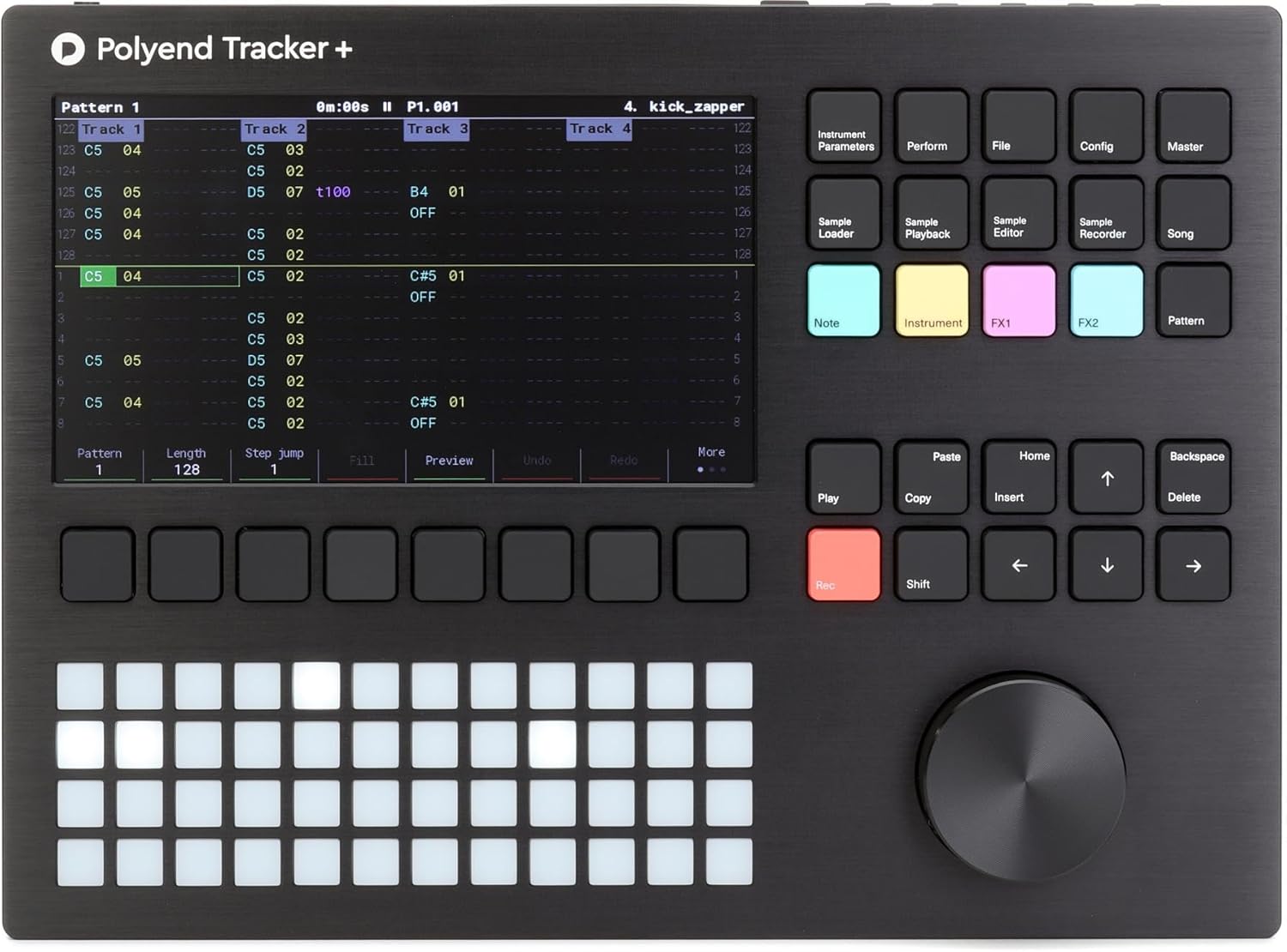
The Polyend Tracker+ is a powerful music-making machine that fits in a small, easy-to-use box. It combines a sampler, drum machine, synthesizer, and sequencer all in one. You get 16 tracks to build full songs, with half for instruments and half for MIDI. It has more memory, faster performance, and new sound tools to help you create better music. You can plug it into your computer with USB or use it on its own. It's perfect for musicians who want a simple but powerful way to make beats and songs anywhere.
| Spec | Akai MPC2500 | Polyend Tracker+ |
|---|---|---|
| Manufacturer | Akai Professional | Polyend |
| Year Released | 2005 | 2024 |
| Polyphony | 64 | 64 |
| Sample Rate | 44.1kHz | 44.1kHz |
| Storage | CompactFlash, ZIP Drive | MicroSD card |
| Pads | 16 velocity-sensitive pads | No pads, buttons for input |
| Sequencer | Yes | 16-track Sequencer |
| Effects | EQ, Compression, Reverb, Delay | Multiple effects |
| I/O | MIDI In/Out, Audio In/Out | Stereo Line In, Stereo Line/Headphones Out, MIDI In / MIDI Out,USB-C |
| Screen | LCD | LCD display |
| Software Integration | MPC Software | Yes, 14 tracks via USB to your DAW |
| Build | Standalone | Tracker-style sampler |
| Price | $800 used | $799 |
| More about | Details | Details |
Buy the Polyend Tracker+ on Amazon.com
Buy Now On AmazonAkai MPC2500 vs. Polyend Tracker+: Which Sampler is Right for You?
Are you in the market for a new sampler and stuck between the legendary Akai MPC2500 and the innovative Polyend Tracker+? Both of these devices have their unique strengths and fit different styles of music-making. In this blog, we’ll dive into the features, pros, and cons of each, helping you decide which one suits your creative needs best.
Introduction
Music production gear has evolved tremendously over the years, offering musicians a variety of tools to craft their sounds. Two standout samplers in this landscape are the Akai MPC2500 and the Polyend Tracker+. The Akai MPC2500, released in 2005, has become a staple in the hip-hop and electronic music scenes. On the other hand, the Polyend Tracker+, released in 2024, brings a modern twist to the sampler world with its unique tracker-style interface. Let’s explore these two devices to see what each brings to the table.
Feature Comparisons
Design and Build
The Akai MPC2500 is known for its robust build and classic design, featuring 16 velocity-sensitive pads. This makes it ideal for those who love the tactile feel of drum pads when creating beats. It’s a standalone device, meaning you don’t need a computer to get started. This independence can be a huge advantage for live performances or studio sessions where simplicity is key.
In contrast, the Polyend Tracker+ takes a different approach with its tracker-style build. It’s compact and portable, making it a great choice for musicians on the go. Unlike the MPC2500, it doesn’t have pads but instead uses buttons for input. This might appeal to those who are familiar with traditional tracker software and want to translate that experience into a hardware form.
Sound and Sampling
Both samplers support 64-note polyphony and operate at a sample rate of 44.1kHz, ensuring high-quality sound production. The Akai MPC2500 offers powerful sampling and editing features, with up to 128MB of memory for loading sounds. Its effects suite includes EQ, compression, reverb, and delay, giving you numerous options to shape your sound.
The Polyend Tracker+ also delivers on the sound front, combining a sampler, drum machine, synthesizer, and sequencer in one device. It offers multiple effects and has been praised for its ability to create complex soundscapes effortlessly. The Tracker+ is known for its faster performance and more memory, providing a seamless experience when crafting music.
Sequencing and Workflow
The MPC2500 comes with a 64-track sequencer, allowing for intricate compositions. Its real-time controls and multiple outputs make it a versatile tool for both studio and live settings. Musicians who enjoy a hands-on approach to sequencing will appreciate the tactile nature of this device.
On the other hand, the Polyend Tracker+ features a 16-track sequencer, dividing tracks between instruments and MIDI. This setup encourages creativity and experimentation, particularly for those who enjoy working within the constraints of a tracker interface. The Tracker+ integrates seamlessly with your DAW via USB, offering up to 14 tracks for digital audio workstation use. This level of integration makes it a powerful tool for those who prefer hybrid setups.
Storage and Connectivity
When it comes to storage, the Akai MPC2500 relies on CompactFlash and optional hard drives, while the Polyend Tracker+ uses a MicroSD card. The choice between these two may depend on personal preference or existing gear compatibility.
Connectivity is another area where these samplers differ. The MPC2500 includes MIDI In/Out and Audio In/Out, catering to traditional setups. The Tracker+ expands on this with Stereo Line In, Stereo Line/Headphones Out, MIDI In/Out, and USB-C, providing more modern connectivity options.
Pros and Cons
Akai MPC2500
Pros:
- Classic design with 16 velocity-sensitive pads
- Standalone operation, no computer needed
- Robust build quality
- Comprehensive effects suite
- Versatile 64-track sequencer
Cons:
- Bulky and less portable
- Older storage options (CompactFlash, ZIP Drive)
- Relatively higher price for a used unit
Polyend Tracker+
Pros:
- Compact and portable
- Modern tracker-style interface
- High memory capacity and faster performance
- Multiple effects and sound tools
- Seamless DAW integration via USB
Cons:
- No traditional drum pads
- Might have a learning curve for those new to tracker interfaces
- Limited to 16 tracks for sequencing
Conclusion
Both the Akai MPC2500 and the Polyend Tracker+ offer unique advantages depending on your production style. The MPC2500 is a tried-and-true classic, perfect for those who value a hands-on, standalone experience. Its tactile pads and comprehensive features make it ideal for hip-hop and electronic music producers who enjoy live performance.
In contrast, the Polyend Tracker+ is designed for modern musicians who appreciate portability and versatility. Its tracker-style interface and seamless DAW integration make it a great choice for producers who enjoy working on the go or in hybrid setups.
Final Verdict
If you’re a traditionalist who loves the feel of drum pads and values a standalone, robust machine, the Akai MPC2500 is your ideal match. It’s perfect for those who appreciate the heritage and reliability of a classic sampler.
However, if you’re a forward-thinking musician who enjoys the flexibility of a portable and modern device, the Polyend Tracker+ is the way to go. It’s best for those who want to experiment with new interfaces and take advantage of seamless computer integration.
Ultimately, your choice will depend on your personal workflow preferences and the kind of music you want to create. Both samplers have a lot to offer, ensuring that whatever you choose, you’ll have a capable tool at your disposal to bring your musical ideas to life.