Akai MPC2500 — VS — Roland SP-404A
Akai MPC2500
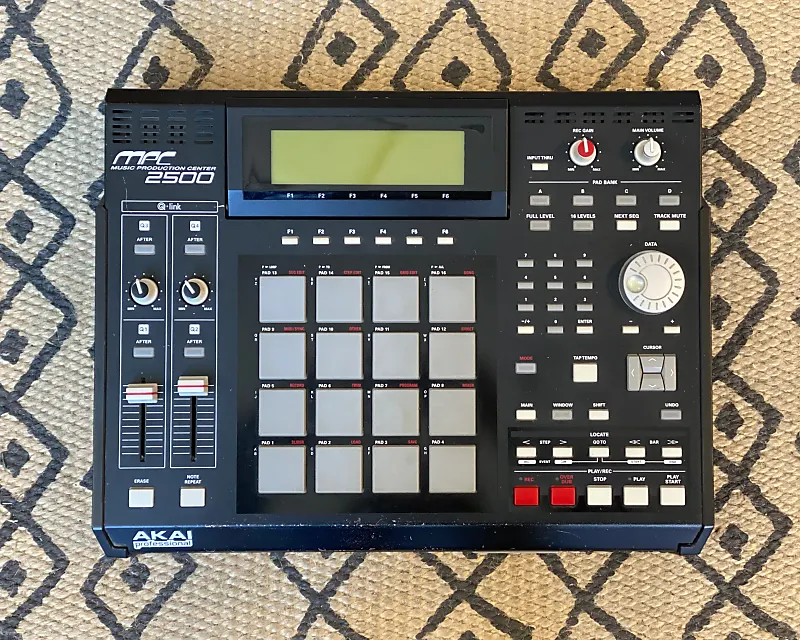
The Akai MPC2500 is a trusted tool for making beats and producing music, used by pros and performers alike. It has 16 classic pads, powerful sampling and editing features, and up to 128MB of memory for loading sounds. You get a 64-track sequencer, built-in effects, and real-time controls to shape your music as you play. With multiple outputs and easy file storage using CF cards or an optional hard drive, the MPC2500 gives you everything you need to create, perform, and finish your tracks—all in one solid machine.
Roland SP-404A
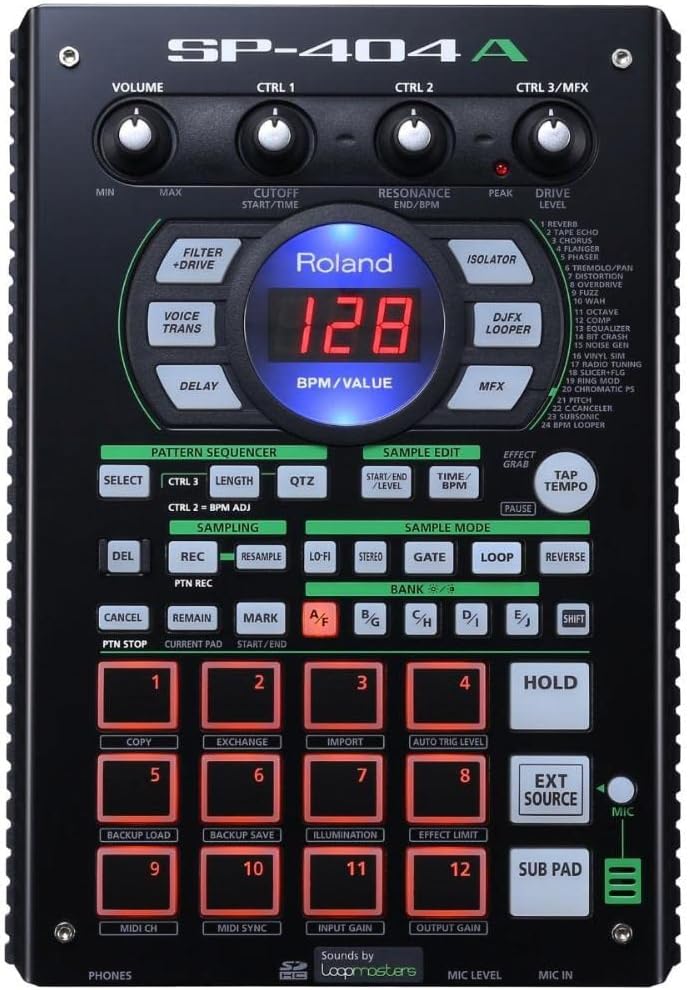
The SP-404A is a fun music machine made for live shows. You can use it to play cool sounds, beats, and effects. It works really well with another music tool called the Roland TR-8, but you can also use it by itself. It has 12 big buttons you can press to play sounds, plus lots of awesome effects to change how your music feels. It even comes with a card full of great sounds to get you started. Whether you're a DJ, a musician, or just love making beats, the SP-404A helps you create music in a fun and easy way.
| Spec | Akai MPC2500 | Roland SP-404A |
|---|---|---|
| Manufacturer | Akai Professional | Roland |
| Year Released | 2005 | 2017 |
| Polyphony | 64 | 128 |
| Sample Rate | 44.1kHz | 44.1kHz |
| Storage | CompactFlash, ZIP Drive | SD card |
| Pads | 16 velocity-sensitive pads | 12 velocity-sensitive pads |
| Sequencer | Yes | No |
| Effects | EQ, Compression, Reverb, Delay | Vintage effects, Reverb, Delay |
| I/O | MIDI In/Out, Audio In/Out | MIDI In/Out, USB, Audio In/Out |
| Screen | LCD | OLED display |
| Software Integration | MPC Software | Roland Software |
| Build | Standalone | Portable |
| Price | $800 used | $600 |
| More about | Details | Details |
Buy the Roland SP-404A on Amazon.com
Buy Now On AmazonComparing the Roland SP-404A and Akai MPC2500: A Music Gear Showdown
Summary: In this detailed comparison, we explore the features, pros, and cons of two popular samplers: the Roland SP-404A and the Akai MPC2500. Whether you’re a budding beatmaker or an experienced producer, understanding the differences between these two devices can help you make the right choice for your music production needs.
Introduction
If you’re into beat-making or music production, you’ve probably heard of samplers. These nifty devices allow you to take sounds and turn them into beats, loops, and full songs. Today, we’re going to compare two popular samplers: the Roland SP-404A and the Akai MPC2500. Both are loved by music makers everywhere, but they have some important differences. By the end of this article, you’ll know which one might be the best fit for your music adventures.
The Roland SP-404A
Features of the Roland SP-404A
The Roland SP-404A is a portable sampler that was released in 2017. It’s an updated version of the classic SP-404SX, offering improved effects and features. With 128-voice polyphony, it can handle complex sound layers, making it a powerhouse for its size. It samples at a rate of 44.1kHz, ensuring high-quality audio playback.
The SP-404A uses an SD card for storage, which is convenient for transferring sounds and projects. It has 12 velocity-sensitive pads, which means you can tap harder or softer to affect the sound’s volume or tone. Although it doesn’t have a built-in sequencer, it shines with its vintage effects, reverb, and delay, making it perfect for those who love to experiment with soundscapes.
Its OLED display is clear and easy to read, and the MIDI In/Out and USB ports allow for versatile connectivity. Plus, its integration with Roland Software enhances its capabilities even further. Priced at $600, it offers a balance of portability and power.
Pros and Cons of the Roland SP-404A
Pros:
- Portability: Its compact size makes it easy to carry around.
- Effects: Offers a range of vintage effects that can add depth to your music.
- Polyphony: With 128 voices, it handles complex compositions well.
- Storage: SD card storage is easy to use and expand.
- Software Integration: Works seamlessly with Roland Software.
Cons:
- No Sequencer: Lacks a built-in sequencer, which might be a downside for some users.
- Pad Count: Only 12 pads compared to some other samplers that offer more.
The Akai MPC2500
Features of the Akai MPC2500
The Akai MPC2500 is a classic standalone sampler that was released in 2005. It’s known for its robust build and reliable performance. With 64-voice polyphony, it may have less layering capability than the SP-404A, but it still delivers solid performance for most users.
The MPC2500 samples at the same 44.1kHz rate, ensuring high-quality sound. It uses CompactFlash or a ZIP drive for storage, which might be considered dated by today’s standards. However, it features 16 velocity-sensitive pads, providing more playing options than the SP-404A.
One of the standout features of the MPC2500 is its built-in sequencer, making it a great choice for those who like to create entire tracks on one device. It includes effects like EQ, compression, reverb, and delay, enhancing its versatility. The LCD screen is functional, and with MIDI In/Out and audio connections, it integrates well with other gear. Although priced at $800 used, it’s a worthy investment for dedicated producers.
Pros and Cons of the Akai MPC2500
Pros:
- Sequencer: Built-in sequencer is great for creating complete tracks.
- Pad Count: Features 16 pads, offering more flexibility in live playing.
- Effects: Includes a wide range of effects, suitable for various styles.
- Standalone Build: A reliable and robust piece of hardware.
Cons:
- Price: More expensive, especially considering it’s typically available used.
- Storage: CompactFlash and ZIP drive storage can be limiting by modern standards.
- Polyphony: Offers less polyphony compared to newer models like the SP-404A.
Head-to-Head Comparison
Portability and Build Quality
The Roland SP-404A is designed with portability in mind. It’s compact and easy to carry, making it ideal for on-the-go music production. In contrast, the Akai MPC2500 is a standalone unit, built like a tank and perfect for studio setups but not as portable.
Pads and Playability
When it comes to pads, the MPC2500 takes the lead with 16 velocity-sensitive pads. This allows for more complex beat-making and live performance options. The SP-404A, with its 12 pads, is more limited but still effective for basic needs.
Sequencer and Effects
The MPC2500 shines with its integrated sequencer, which is absent in the SP-404A. This makes the MPC2500 a more complete solution for creating full tracks. Both devices offer a range of effects, but the SP-404A is praised for its vintage-style effects, while the MPC2500 includes EQ and compression, appealing to users who want to tweak their sound further.
Storage and Connectivity
Storage options differ significantly. The SP-404A uses modern SD cards, whereas the MPC2500 relies on older CompactFlash or ZIP drives. Both offer MIDI connectivity, but the SP-404A’s USB port adds an extra layer of modern convenience.
Who’s the Winner?
Deciding between these two great samplers depends on what you need:
- If you want a portable and modern sampler with fun effects, the Roland SP-404A is a fantastic choice.
- If you’re looking for a standalone powerhouse with sequencing capabilities and more pads, the Akai MPC2500 might be your best bet.
Conclusion
Both the Roland SP-404A and Akai MPC2500 have their unique strengths. The SP-404A is perfect for producers who value portability and modern features. Meanwhile, the MPC2500 is ideal for those who want a robust, standalone unit with a sequencer. Consider your needs, budget, and how you plan to use the sampler to make the best decision for your music-making journey.