Akai MPC2500 — VS — Roland Verselab MV-1
Akai MPC2500
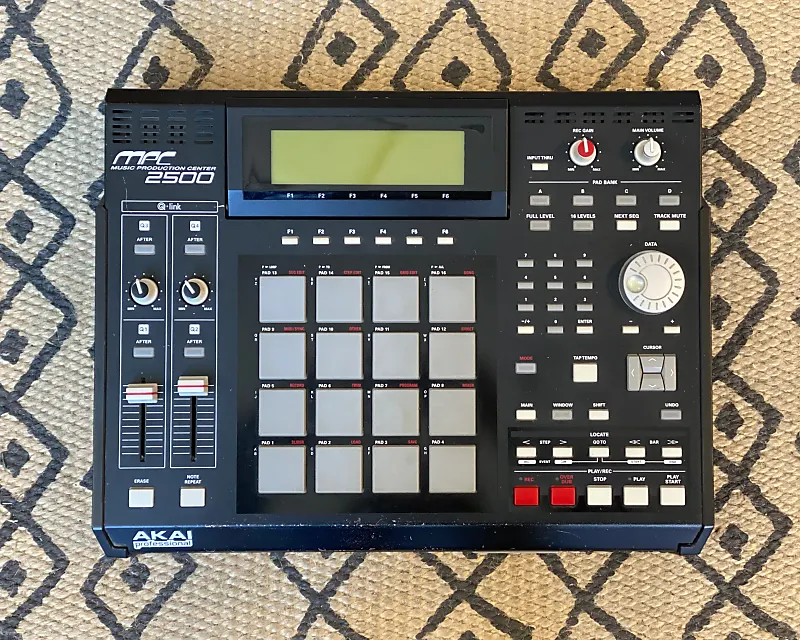
The Akai MPC2500 is a trusted tool for making beats and producing music, used by pros and performers alike. It has 16 classic pads, powerful sampling and editing features, and up to 128MB of memory for loading sounds. You get a 64-track sequencer, built-in effects, and real-time controls to shape your music as you play. With multiple outputs and easy file storage using CF cards or an optional hard drive, the MPC2500 gives you everything you need to create, perform, and finish your tracks—all in one solid machine.
Roland Verselab MV-1
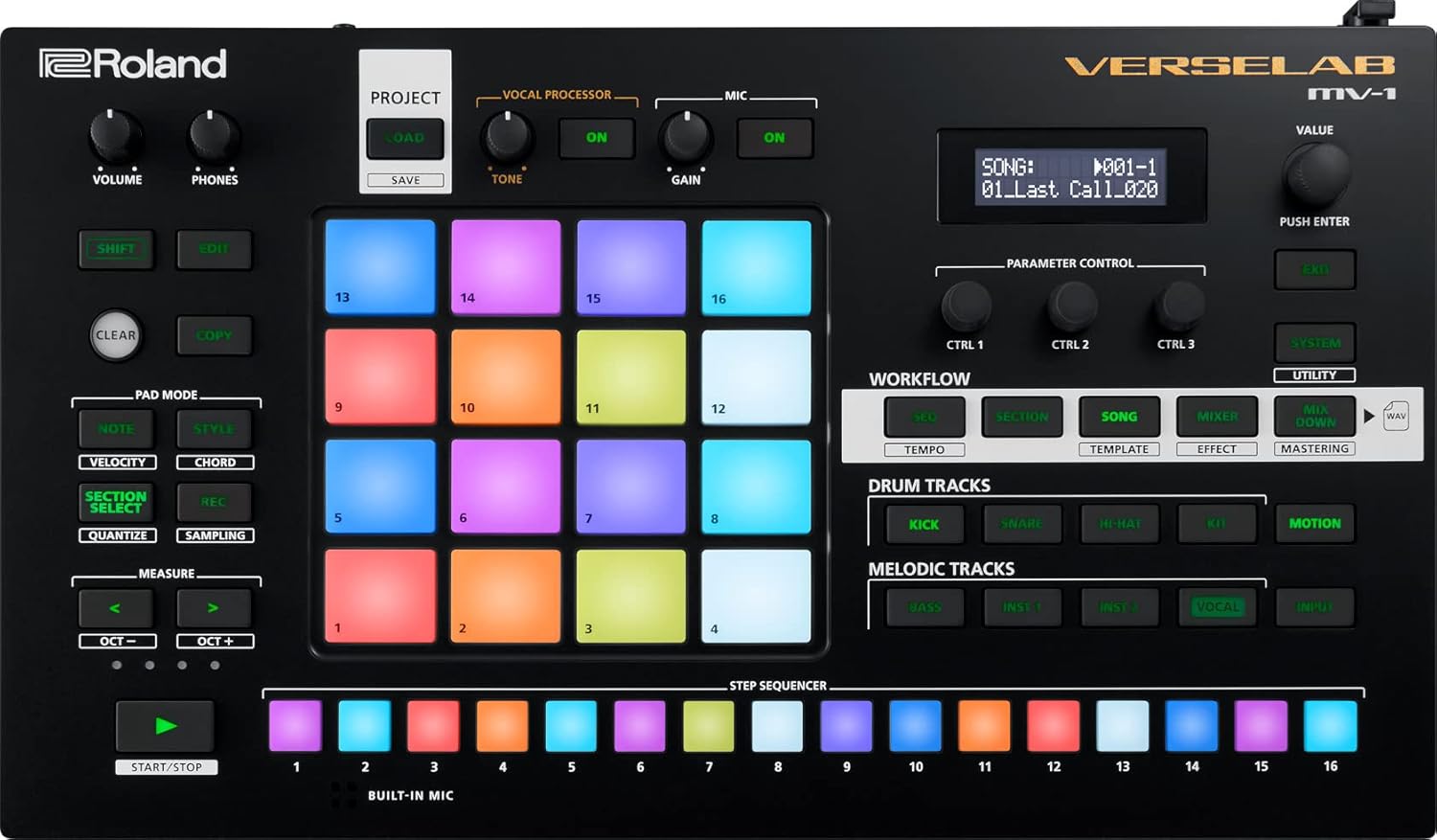
The VERSELAB MV-1 is a fun, all-in-one music studio that helps you make your own songs—from beats to vocals—right out of the box. It comes with over 3,000 cool sounds, easy-to-use tools for writing and recording music, and special effects like Auto-Pitch and harmonies. You can tap out beats with pads, record your voice, and even connect it to your phone, tablet, or computer. It's made to help anyone—beginner or pro—create awesome music without needing a bunch of extra stuff.
| Spec | Akai MPC2500 | Roland Verselab MV-1 |
|---|---|---|
| Manufacturer | Akai Professional | Roland |
| Year Released | 2005 | 2021 |
| Polyphony | 64 | 128 |
| Sample Rate | 44.1kHz | 44.1kHz |
| Storage | CompactFlash, ZIP Drive | SD card |
| Pads | 16 velocity-sensitive pads | No pads |
| Sequencer | Yes | Yes |
| Effects | EQ, Compression, Reverb, Delay | EQ, Reverb, Delay |
| I/O | MIDI In/Out, Audio In/Out | MIDI In/Out, USB, Audio In/Out |
| Screen | LCD | LCD display |
| Software Integration | MPC Software | Roland Software |
| Build | Standalone | Groovebox |
| Price | $800 used | $500 |
| More about | Details | Details |
Buy the Roland Verselab MV-1 on Amazon.com
Buy Now On AmazonSummary:
Looking for the perfect tool to make your beats? Today we’re comparing two popular samplers: the Roland Verselab MV-1 and the Akai MPC2500. Both are powerful devices, but each has its strengths and weaknesses. Let’s dive in!
Roland Verselab MV-1 vs. Akai MPC2500: A Comprehensive Comparison
Music is a universal language, and samplers like the Roland Verselab MV-1 and the Akai MPC2500 are essential tools for musicians who want to create their unique soundscapes. Both devices offer fantastic features, but which one is the right fit for you? In this blog post, we’ll explore the ins and outs of each sampler, so you can make an informed decision.
Meet the Samplers
Before we start comparing, let’s introduce our contenders. The Roland Verselab MV-1 is a relatively new groovebox that hit the market in 2021. It’s perfect for those who want an integrated sampling and beat production tool. On the other hand, the Akai MPC2500 has been a favorite since 2005, offering enhanced sequencing and expanded effects.
Feature Face-off
Polyphony and Sample Rate
When it comes to polyphony, the Roland Verselab MV-1 takes the lead with 128 voices, while the Akai MPC2500 offers 64. Both samplers have a sample rate of 44.1kHz, which is standard for professional audio quality. If you’re looking for more complex sound layers, the MV-1 might be more appealing due to its higher polyphony.
Storage Solutions
Storage is crucial for any music producer. The MV-1 uses an SD card, which is perfect for modern users looking for convenience and ease of access. On the flip side, the MPC2500 relies on CompactFlash and ZIP Drives. While this might seem outdated, some musicians appreciate the tactile experience and durability of these storage formats.
Pads and Sequencer
Here’s where we see a big difference. The Akai MPC2500 shines with its 16 velocity-sensitive pads, making it ideal for live performances and dynamic beat-making. The MV-1, however, has no pads, which might be a downside for those who love finger drumming. Both devices include a sequencer, although the MPC2500 is often praised for its intuitive and powerful sequencing capabilities.
Built-In Effects
Both samplers offer built-in effects to enhance your music. The MV-1 comes with EQ, Reverb, and Delay, providing a solid foundation for shaping your sound. The MPC2500 goes a step further by adding Compression to its arsenal, offering more versatility for mixing and mastering your tracks.
Inputs and Outputs
Connectivity is crucial in today’s music production environment. Both devices come equipped with MIDI In/Out and Audio In/Out, ensuring they can easily integrate into your studio setup. The MV-1 includes USB, which is a great addition for modern connectivity, while the MPC2500 remains more traditional without USB support.
Screen and Software Integration
A good screen and software integration can make a big difference in usability. Both devices feature an LCD display, but the MV-1 benefits from Roland Software, which offers seamless integration with your digital audio workstation (DAW). The MPC2500 relies on MPC Software, which is still robust but may not be as closely integrated as Roland’s offering.
Build and Price
The MV-1 is designed as a groovebox, meaning it’s compact and highly portable. It’s priced at around $500, making it an affordable choice for many musicians. In contrast, the MPC2500 is a standalone unit known for its durability and reliability, with a used price of about $800. While it’s pricier, some users find the investment worthwhile for its performance and build quality.
Pros and Cons
Roland Verselab MV-1
Pros:
- High polyphony with 128 voices
- Modern storage solution with SD card
- Seamless integration with Roland Software
- Affordable price point
Cons:
- No pads for hands-on beat-making
- Limited effects compared to MPC2500
Akai MPC2500
Pros:
- 16 velocity-sensitive pads for dynamic performance
- Robust sequencing capabilities
- Additional compression effect
- Durable standalone build
Cons:
- Lower polyphony with 64 voices
- Outdated storage solutions
- Higher price point, even used
Conclusion
In summary, both the Roland Verselab MV-1 and the Akai MPC2500 offer unique features tailored to different types of musicians. The MV-1 is perfect for those seeking a modern, affordable, and portable groovebox with excellent software integration. Meanwhile, the MPC2500 is ideal for traditionalists who value hands-on performance capabilities and robust sequencing, even if it comes with an older storage format and higher price tag.
Final Verdict
So, which sampler should you choose? If you’re a beginner or someone who loves working with DAWs, the Roland Verselab MV-1 is the way to go. It’s user-friendly, affordable, and integrates well with modern setups. However, if you’re a live performer or seasoned producer who appreciates the classic feel of Akai’s pads and sequencing, the Akai MPC2500 might be worth the investment.
Choose the tool that best fits your creative process, and start making music today!