Akai MPC2500 — VS — Sonicware Liven Lofi-12
Akai MPC2500
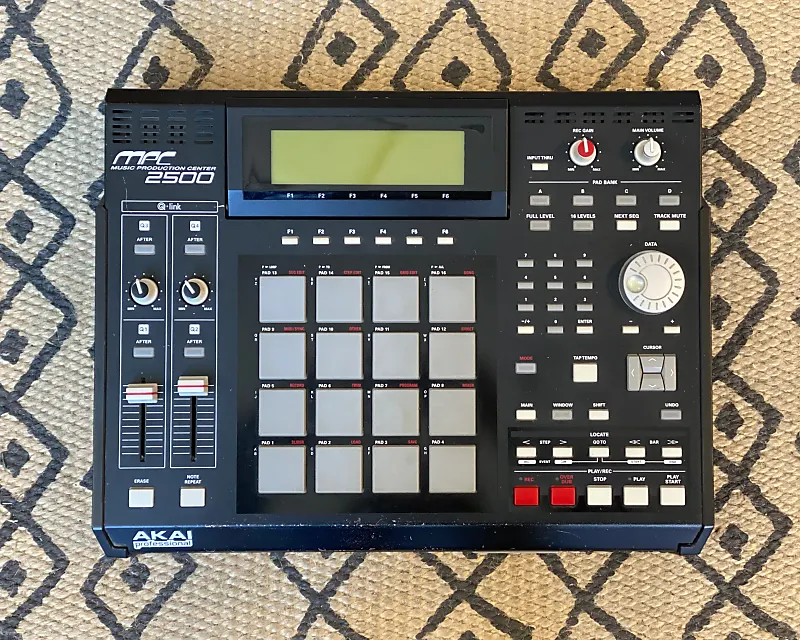
The Akai MPC2500 is a trusted tool for making beats and producing music, used by pros and performers alike. It has 16 classic pads, powerful sampling and editing features, and up to 128MB of memory for loading sounds. You get a 64-track sequencer, built-in effects, and real-time controls to shape your music as you play. With multiple outputs and easy file storage using CF cards or an optional hard drive, the MPC2500 gives you everything you need to create, perform, and finish your tracks—all in one solid machine.
Sonicware Liven Lofi-12
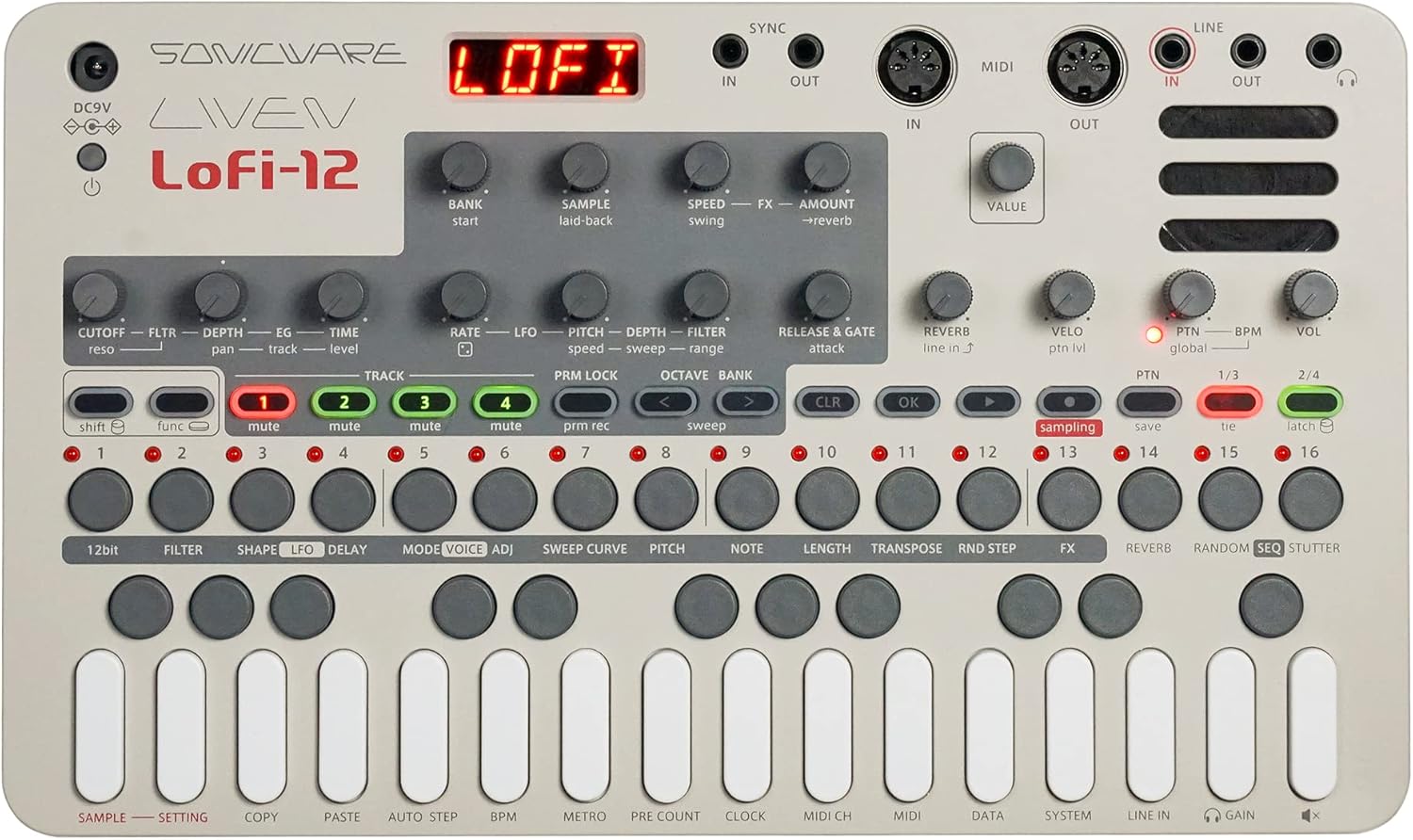
The Sonicware Liven Lofi-12 is a dedicated lo-fi sampling groovebox inspired by vintage samplers. It features 12-bit sampling, real-time performance effects, and a hands-on sequencer that makes building tracks intuitive and fun. It's ideal for beatmakers who love dusty textures and retro vibes.
| Spec | Akai MPC2500 | Sonicware Liven Lofi-12 |
|---|---|---|
| Manufacturer | Akai Professional | Sonicware |
| Year Released | 2005 | 2022 |
| Polyphony | 64 | 10 |
| Sample Rate | 44.1kHz | 12kHz / 24kHz |
| Storage | CompactFlash, ZIP Drive | SD card |
| Pads | 16 velocity-sensitive pads | 4x4 pad matrix (16 pads) |
| Sequencer | Yes | Yes, 64-step |
| Effects | EQ, Compression, Reverb, Delay | Delay, Reverb, Bit Crusher, EQ |
| I/O | MIDI In/Out, Audio In/Out | Line In/Out, MIDI In/Out, Headphone, USB |
| Screen | LCD | LED display |
| Software Integration | MPC Software | None |
| Build | Standalone | Compact lo-fi groovebox |
| Price | $800 used | $239 |
| More about | Details | Details |
Buy the Sonicware Liven Lofi-12 on Amazon.com
Buy Now On AmazonAkai MPC2500 vs. Sonicware Liven Lofi-12: Which Sampler is Right for You?
Summary
Choosing between the Akai MPC2500 and the Sonicware Liven Lofi-12 can be tough. Both are powerful tools for making music, but they have different strengths and purposes. This guide compares their features, pros, and cons to help you decide which one suits your music-making style best.
Introduction
Sampling is a big part of making music today. It allows musicians to create new sounds and beats by using bits and pieces of existing music. Two popular samplers are the Akai MPC2500 and the Sonicware Liven Lofi-12. Both are great for making music, but they’re very different machines. Let’s dive in and see what makes each one special.
Features Comparison
Akai MPC2500: The Classic Powerhouse
The Akai MPC2500, released in 2005, is a well-loved tool for professionals. It offers 64-note polyphony, which means you can play up to 64 notes at the same time. This is great if you like to layer sounds and create complex arrangements. With a sample rate of 44.1kHz, your sounds will be clear and vibrant.
The MPC2500 has 16 velocity-sensitive pads. This means the harder you hit the pads, the louder the sound will be, giving you expressive control over your music. It also features a 64-track sequencer, which is like a musical roadmap that helps you organize your sounds and beats.
For storage, the MPC2500 uses CompactFlash cards and ZIP drives. While these might seem a bit old-school, they offer plenty of space for your projects. The machine also has a range of effects like EQ, compression, reverb, and delay to help you shape your sound.
Sonicware Liven Lofi-12: The Modern Groovebox
The Sonicware Liven Lofi-12 is a fresh face in the world of samplers, debuting in 2022. It’s designed for those who love lo-fi, the style that embraces a rough, vintage sound. With a polyphony of 10 notes, it’s more limited than the MPC2500, but this is part of its charm. The sample rates of 12kHz and 24kHz give your music that grainy, old-school feel.
The Lofi-12 features a 4x4 pad matrix, giving you 16 pads to play with. It also has a 64-step sequencer, which allows you to easily build and tweak your tracks. The effects—delay, reverb, bit crusher, and EQ—are tailored to enhance the lo-fi aesthetic.
For storage, it uses an SD card, making it easy to transfer files and projects. It also has modern connectivity options, including USB, MIDI, and a headphone jack.
Pros and Cons
Akai MPC2500
Pros:
- Professional Build: Designed for serious musicians and producers.
- High Polyphony: 64-note polyphony allows complex sound layering.
- Comprehensive Sequencer: 64-track sequencer for detailed music creation.
- Robust Effects: Includes EQ, compression, reverb, and delay.
- Solid Storage Options: CompactFlash and optional hard drive support for large projects.
Cons:
- Price: At $800 used, it’s not cheap.
- Bulky: It’s a standalone machine, which might not be ideal for small spaces.
- Outdated Storage: CompactFlash and ZIP drives are less common today.
Sonicware Liven Lofi-12
Pros:
- Affordability: Priced at $239, it’s accessible for beginners.
- Compact Design: Easy to transport and fits well in small studios.
- Lo-fi Aesthetic: Perfect for those who love vintage sound textures.
- Modern Connectivity: Offers USB and headphone connections.
Cons:
- Limited Polyphony: Only 10 notes can play at once.
- Basic Display: LED screen offers less detail than an LCD.
- No Software Integration: Lacks integration with music software.
Who Should Choose Which?
Who Should Choose the Akai MPC2500?
The Akai MPC2500 is best for those who are serious about music production and need a reliable, versatile tool. If you’re a professional or a dedicated hobbyist who wants to create complex music with lots of layers, this is the sampler for you. Its robust build and comprehensive features make it ideal for studio environments and live performances.
Who Should Choose the Sonicware Liven Lofi-12?
The Sonicware Liven Lofi-12 is perfect for beginners or anyone who loves the lo-fi music style. If you want to explore music making with a focus on unique textures and retro vibes, this sampler will fit your needs. Its affordability and compact size make it great for personal projects and small spaces.
Conclusion
Both the Akai MPC2500 and Sonicware Liven Lofi-12 have their own strengths. The MPC2500 is a powerhouse for detailed, professional music production, while the Lofi-12 offers a creative playground for fans of vintage sounds. Consider what you need in a sampler, and let those needs guide your choice. Happy music making!