Akai MPC2500 — VS — Sonicware Lofi-12 XT
Akai MPC2500
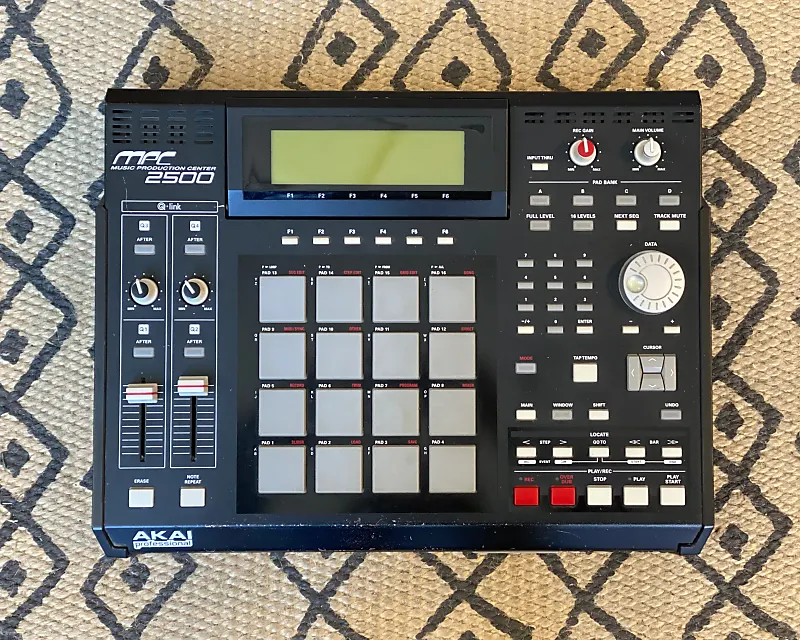
The Akai MPC2500 is a trusted tool for making beats and producing music, used by pros and performers alike. It has 16 classic pads, powerful sampling and editing features, and up to 128MB of memory for loading sounds. You get a 64-track sequencer, built-in effects, and real-time controls to shape your music as you play. With multiple outputs and easy file storage using CF cards or an optional hard drive, the MPC2500 gives you everything you need to create, perform, and finish your tracks—all in one solid machine.
Sonicware Lofi-12 XT
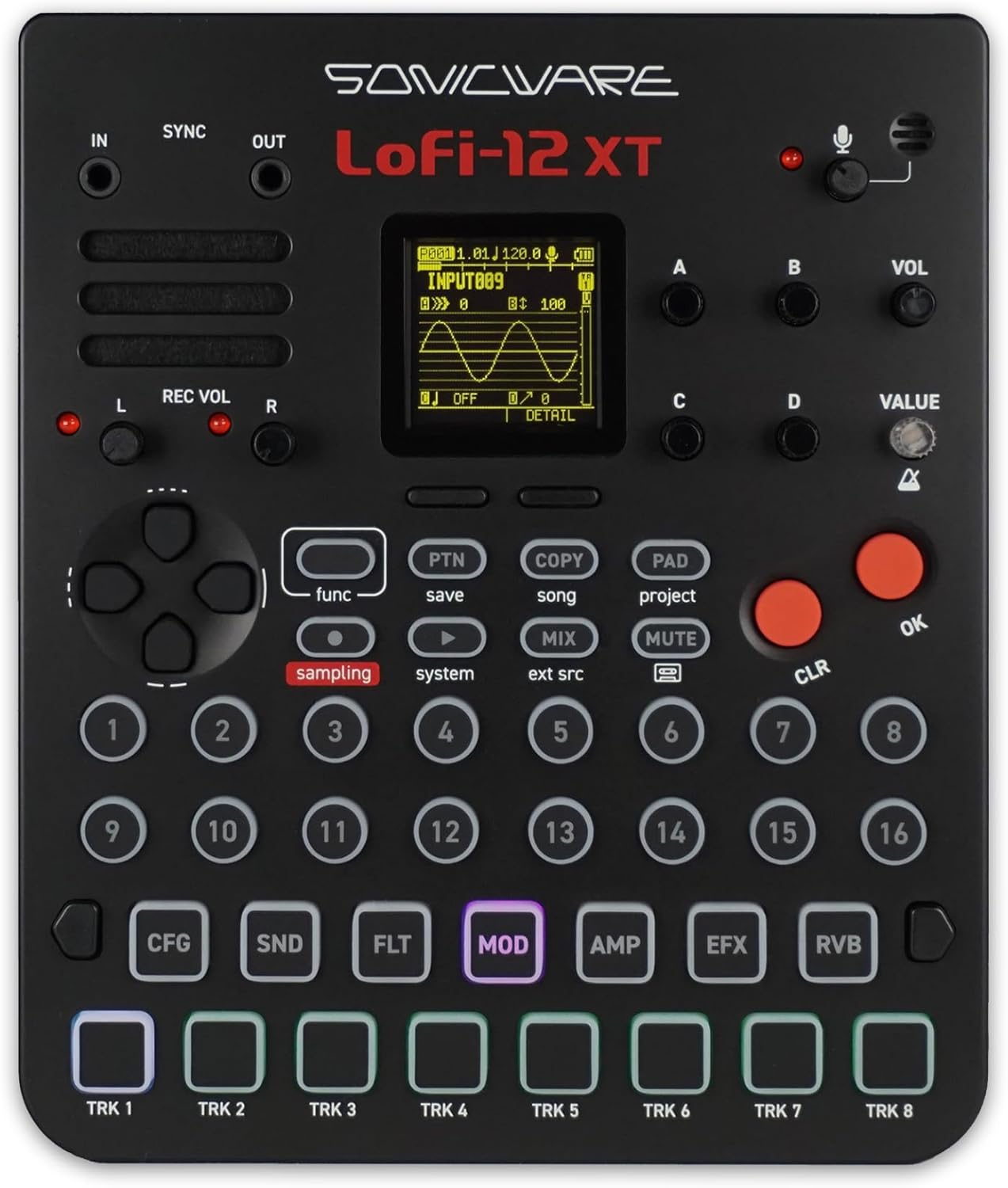
The Sonicware Lofi-12 XT is a powerful groovebox sampler that focuses on crunchy, nostalgic lo-fi sound design. It features multi-engine sampling modes, real-time time stretch, and a rich effects section, all in a highly portable form factor. The Lofi-12 XT adds stereo sampling and new workflow features compared to the original.
| Spec | Akai MPC2500 | Sonicware Lofi-12 XT |
|---|---|---|
| Manufacturer | Akai Professional | Sonicware |
| Year Released | 2005 | 2023 |
| Polyphony | 64 | 10 |
| Sample Rate | 44.1kHz | 12kHz / 24kHz / 48kHz |
| Storage | CompactFlash, ZIP Drive | SD card |
| Pads | 16 velocity-sensitive pads | 8 velocity-sensitive pads |
| Sequencer | Yes | Yes |
| Effects | EQ, Compression, Reverb, Delay | Reverb, Delay, Bit Crusher, Chorus, EQ |
| I/O | MIDI In/Out, Audio In/Out | Line In/Out, Headphone, MIDI In/Out, USB-C |
| Screen | LCD | OLED screen |
| Software Integration | MPC Software | None |
| Build | Standalone | Portable groovebox |
| Price | $800 used | $289 |
| More about | Details | Details |
Buy the Sonicware Lofi-12 XT on Amazon.com
Buy Now On AmazonAkai MPC2500 vs Sonicware Lofi-12 XT: A Comparison for Music Gear Enthusiasts
Summary: Choosing between the Akai MPC2500 and the Sonicware Lofi-12 XT can be tough. Both offer unique features for music makers but cater to different needs and styles. This post dives deep into what each of these samplers offers, helping you decide which might be the best fit for your music journey.
Introduction
Hey there, music lovers and beat makers! Today, we’re diving into a comparison between two exciting samplers: the Akai MPC2500 and the Sonicware Lofi-12 XT. These devices are like magic boxes that help musicians and producers create awesome tracks. While both are designed to make music-making fun and engaging, they have distinct features that appeal to different kinds of users. Let’s explore what makes each one special!
The Akai MPC2500
Overview
The Akai MPC2500 is a classic in the world of music production. Released in 2005 by Akai Professional, it quickly became a favorite among musicians and producers. Known for its sturdy build and reliable performance, the MPC2500 is perfect for those who love hands-on music making.
Features
- Polyphony and Sample Rate: With a polyphony of 64, the MPC2500 lets you layer sounds without worrying about cutting them off. Its sample rate of 44.1kHz ensures high-quality sound.
- Storage and Pads: It uses CompactFlash cards and ZIP Drives for storage, giving you plenty of space for your beats. Plus, it comes with 16 velocity-sensitive pads, perfect for finger drumming and triggering samples.
- Sequencer and Effects: The 64-track sequencer means you can create complex arrangements. Built-in effects like EQ, compression, reverb, and delay add polish to your tracks.
- Inputs/Outputs: With MIDI In/Out and Audio In/Out, connecting other gear is a breeze. The LCD screen and MPC software integration make editing and arranging straightforward.
Pros and Cons
Pros:
- High polyphony for complex arrangements
- Lots of storage options
- Robust effects and sequencer
Cons:
- Bulky and less portable
- Higher price point for a used unit
The Sonicware Lofi-12 XT
Overview
Fast forward to 2023, and we have the Sonicware Lofi-12 XT, a modern twist on the sampler game. This groovebox is all about capturing that nostalgic lo-fi sound that many music creators love.
Features
- Polyphony and Sample Rate: With a polyphony of 10 and variable sample rates (12kHz, 24kHz, 48kHz), the Lofi-12 XT offers a unique sound signature perfect for lo-fi beats.
- Storage and Pads: It uses an SD card for storage, making it easy to swap out samples. The 8 velocity-sensitive pads are responsive and great for performance.
- Sequencer and Effects: The built-in sequencer is intuitive, and effects like reverb, delay, bit crusher, and chorus add a creative edge to your music.
- Inputs/Outputs: Equipped with Line In/Out, Headphone, MIDI In/Out, and USB-C, it offers great connectivity options. The OLED screen is bright and easy to read.
Pros and Cons
Pros:
- Affordable and portable
- Unique lo-fi sound options
- Modern connectivity options
Cons:
- Lower polyphony limits complexity
- No software integration
Detailed Feature Comparisons
Polyphony and Sound Quality
The Akai MPC2500 offers a higher polyphony of 64, which means it can handle more layers of sound simultaneously compared to the 10-voice polyphony of the Sonicware Lofi-12 XT. This makes the MPC2500 better suited for more complex and layered compositions. Meanwhile, the Lofi-12 XT’s variable sample rates provide a range of sound qualities, perfect for those who want to explore lo-fi textures.
Storage and Pads
When it comes to storage, the MPC2500 relies on CompactFlash cards and ZIP Drives, which might seem a bit dated but offer ample space for samples. On the other hand, the Lofi-12 XT uses SD cards, which are more common and easier to manage for today’s users. Both samplers have velocity-sensitive pads, though the MPC2500 offers 16 pads compared to the Lofi-12 XT’s 8, giving you more options for triggering samples and creating beats.
Sequencer and Effects
Both devices come with sequencers that allow you to arrange your music, but the MPC2500’s 64-track sequencer is more powerful. It also includes a broader range of effects, such as EQ, compression, reverb, and delay. The Lofi-12 XT, however, excels in providing creative effects like bit crusher and chorus, appealing to those looking for a unique sound design.
Connectivity and Integration
In terms of connectivity, the MPC2500 offers MIDI and audio in/out, but lacks modern connections like USB-C. The Lofi-12 XT shines here with its USB-C and headphone options, making it more versatile for modern setups. However, the MPC2500 integrates with MPC software, offering a more seamless workflow for those familiar with Akai’s ecosystem.
Final Verdict: Who Should Choose What?
The Akai MPC2500 is ideal for producers who need a robust and reliable tool for creating complex, polished tracks. Its powerful sequencer and effects make it a great choice for professional studio settings. The price might be higher, but it is a solid investment for serious music makers.
The Sonicware Lofi-12 XT is perfect for those who love lo-fi music and need a portable, affordable sampler. It’s great for beginners and those who enjoy experimenting with sound textures. Its modern connectivity options make it a breeze for on-the-go music-making and live performances.
In conclusion, whether you’re drawn to the classic reliability of the Akai MPC2500 or the modern lo-fi charm of the Sonicware Lofi-12 XT, both samplers have something unique to offer. Your choice depends on your music style and how you like to create. Happy music-making!