Akai MPC2500 — VS — Sonicware Lofi-12 XT [Limited Retro Color]
Akai MPC2500
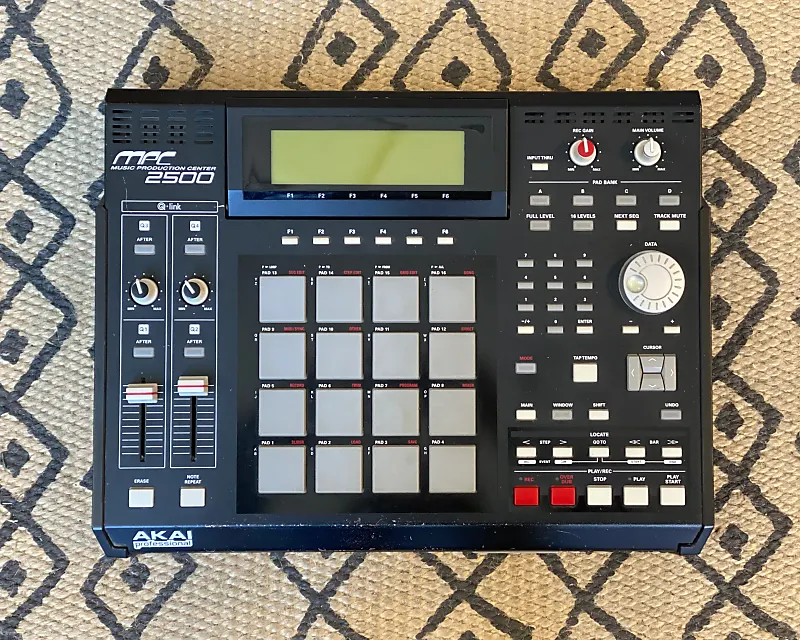
The Akai MPC2500 is a trusted tool for making beats and producing music, used by pros and performers alike. It has 16 classic pads, powerful sampling and editing features, and up to 128MB of memory for loading sounds. You get a 64-track sequencer, built-in effects, and real-time controls to shape your music as you play. With multiple outputs and easy file storage using CF cards or an optional hard drive, the MPC2500 gives you everything you need to create, perform, and finish your tracks—all in one solid machine.
Sonicware Lofi-12 XT [Limited Retro Color]
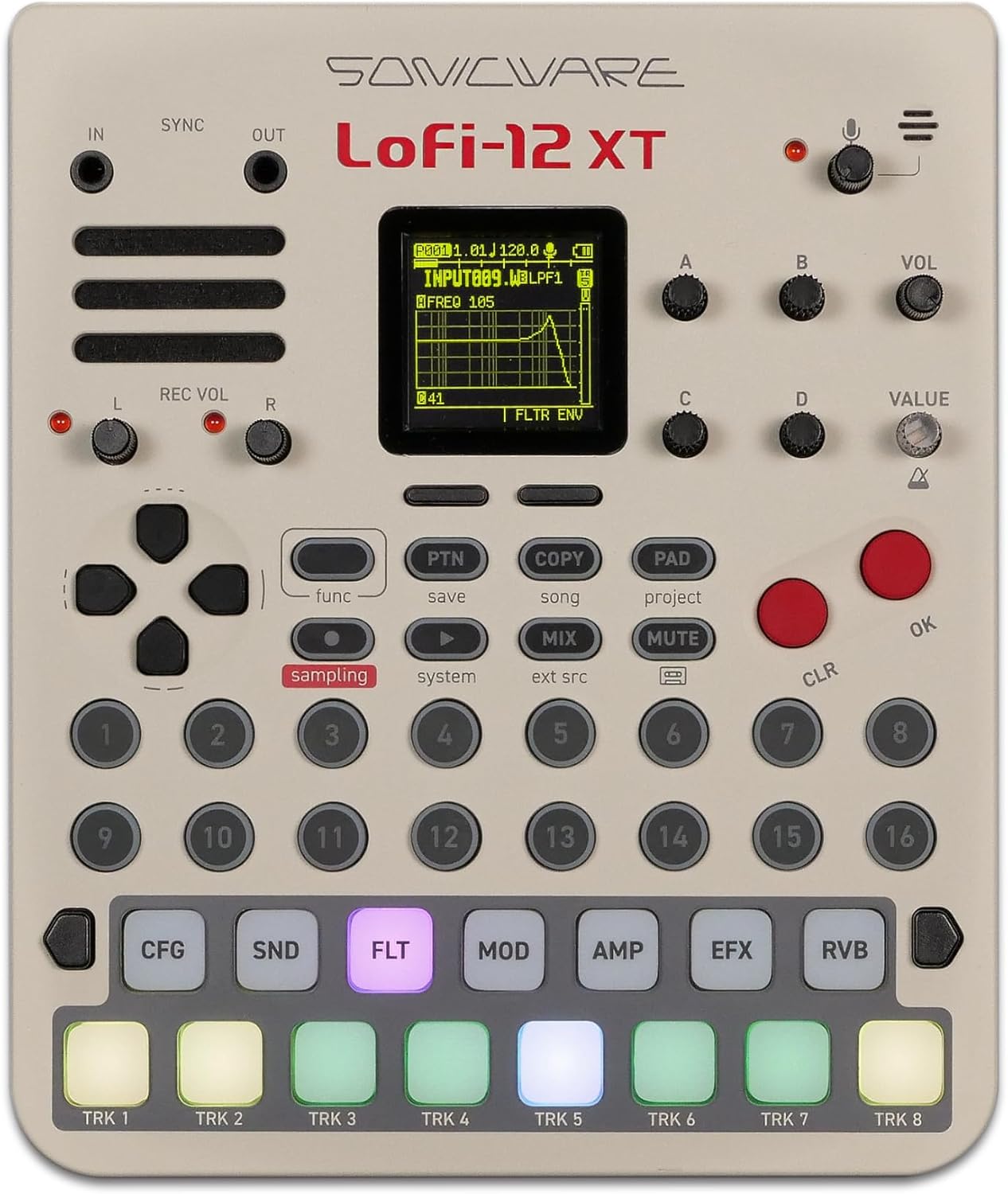
The Limited Retro Color edition of the Sonicware Lofi-12 XT offers the same creative sampling power and effects as the standard model, but with a vintage-inspired look. It's perfect for lo-fi producers looking for classic aesthetics alongside modern performance.
| Spec | Akai MPC2500 | Sonicware Lofi-12 XT [Limited Retro Color] |
|---|---|---|
| Manufacturer | Akai Professional | Sonicware |
| Year Released | 2005 | 2024 |
| Polyphony | 64 | 10 |
| Sample Rate | 44.1kHz | 12kHz / 24kHz / 48kHz |
| Storage | CompactFlash, ZIP Drive | SD card |
| Pads | 16 velocity-sensitive pads | 8 velocity-sensitive pads |
| Sequencer | Yes | Yes |
| Effects | EQ, Compression, Reverb, Delay | Reverb, Delay, Bit Crusher, Chorus, EQ |
| I/O | MIDI In/Out, Audio In/Out | Line In/Out, Headphone, MIDI In/Out, USB-C |
| Screen | LCD | OLED screen |
| Software Integration | MPC Software | None |
| Build | Standalone | Portable groovebox (Retro Color) |
| Price | $800 used | $299 |
| More about | Details | Details |
Buy the Sonicware Lofi-12 XT [Limited Retro Color] on Amazon.com
Buy Now On AmazonAkai MPC2500 vs. Sonicware Lofi-12 XT [Limited Retro Color]
Summary: The Akai MPC2500 and the Sonicware Lofi-12 XT [Limited Retro Color] are two unique samplers that cater to different musical needs. This blog post explores their features, pros, and cons, helping you decide which sampler is right for your music-making journey.
Introduction
Hello, music gear enthusiasts! Today, we’re diving into the exciting world of samplers with a comparison between two intriguing machines: the Akai MPC2500 and the Sonicware Lofi-12 XT [Limited Retro Color]. Whether you’re a budding beatmaker or a seasoned producer, choosing the right sampler can make all the difference in your creative process. So, let’s see what these samplers have to offer!
Meet the Machines
Akai MPC2500
Released in 2005, the Akai MPC2500 is a classic in the music production world. Known for its reliability and versatility, it comes with 16 velocity-sensitive pads, a 64-track sequencer, and a wealth of built-in effects. This standalone machine is a go-to choice for many professionals and performers, offering everything you need to create, perform, and finish tracks.
Sonicware Lofi-12 XT [Limited Retro Color]
On the other hand, the Sonicware Lofi-12 XT [Limited Retro Color] is a modern portable groovebox introduced in 2024. With its vintage-inspired look, this device appeals to lo-fi producers who appreciate classic aesthetics. It features 8 velocity-sensitive pads, various sample rates, and a range of effects, making it a fun and flexible tool for music creation.
Feature Comparison
Sound and Sampling
The Akai MPC2500 boasts a polyphony of 64 voices, which means you can play up to 64 sounds at once. It samples at a rate of 44.1kHz, giving you clear and professional sound quality. In contrast, the Sonicware Lofi-12 XT offers a more modest 10-voice polyphony. However, it stands out with its multiple sample rates of 12kHz, 24kHz, and 48kHz, allowing for creative sound manipulation, especially for lo-fi music lovers.
Storage and Connectivity
When it comes to storage, the MPC2500 uses CompactFlash cards and ZIP drives, providing reliable options for storing your projects. It also features multiple outputs and MIDI In/Out for seamless integration with other gear. The Sonicware Lofi-12 XT, meanwhile, uses an SD card for storage and includes a USB-C port, making it easy to connect to modern devices. Its Line In/Out and headphone jack expand its versatility, allowing for easy jamming and recording on the go.
Pads and Performance
The MPC2500’s 16 pads are perfect for finger drumming and live performances. Combined with its 64-track sequencer, you can layer sounds and create complex compositions. The Lofi-12 XT, with its 8 pads, is more compact but still provides a responsive playing experience. Its portable design means you can take your music-making wherever you go.
Effects and Editing
Both samplers come loaded with effects to enhance your music. The MPC2500 offers EQ, compression, reverb, and delay, giving you control over your sound. The Lofi-12 XT introduces a unique twist with bit crusher and chorus effects, alongside reverb, delay, and EQ. These features cater to different creative needs, with the Lofi-12 XT appealing to those seeking a distinct lo-fi character.
Pros and Cons
Akai MPC2500
Pros:
- High polyphony and professional sound quality
- Extensive connectivity options
- Large number of pads for dynamic performance
- Powerful sequencer and editing features
Cons:
- Bulky and less portable
- Higher price point, especially for used models
Sonicware Lofi-12 XT [Limited Retro Color]
Pros:
- Compact and portable design
- Versatile sample rates for creative flexibility
- Unique effects for lo-fi music
- Affordable price
Cons:
- Lower polyphony compared to MPC2500
- Limited pad count for intricate performances
Final Verdict
In summary, the Akai MPC2500 is an excellent choice for professionals seeking a robust, all-in-one solution for creating and performing music. Its extensive features and reliable build make it a staple in studios and on stages worldwide. On the other hand, the Sonicware Lofi-12 XT [Limited Retro Color] is perfect for lo-fi enthusiasts and beginners looking for a fun, portable device to explore creative soundscapes.
Whether you value the classic power of the MPC2500 or the modern flair of the Lofi-12 XT, both samplers offer unique opportunities to enhance your music-making journey. Happy sampling!