Akai MPC2500 — VS — Synthstrom Deluge
Akai MPC2500
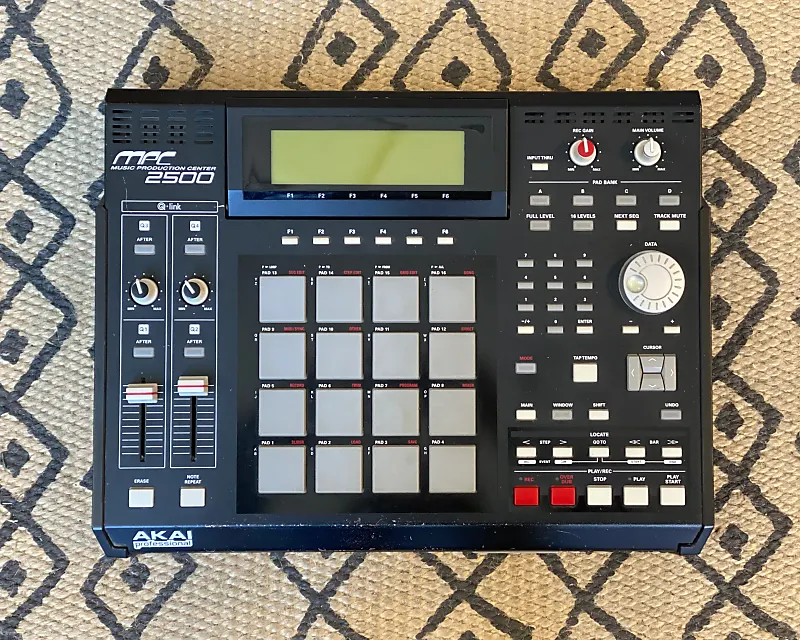
The Akai MPC2500 is a trusted tool for making beats and producing music, used by pros and performers alike. It has 16 classic pads, powerful sampling and editing features, and up to 128MB of memory for loading sounds. You get a 64-track sequencer, built-in effects, and real-time controls to shape your music as you play. With multiple outputs and easy file storage using CF cards or an optional hard drive, the MPC2500 gives you everything you need to create, perform, and finish your tracks—all in one solid machine.
Synthstrom Deluge
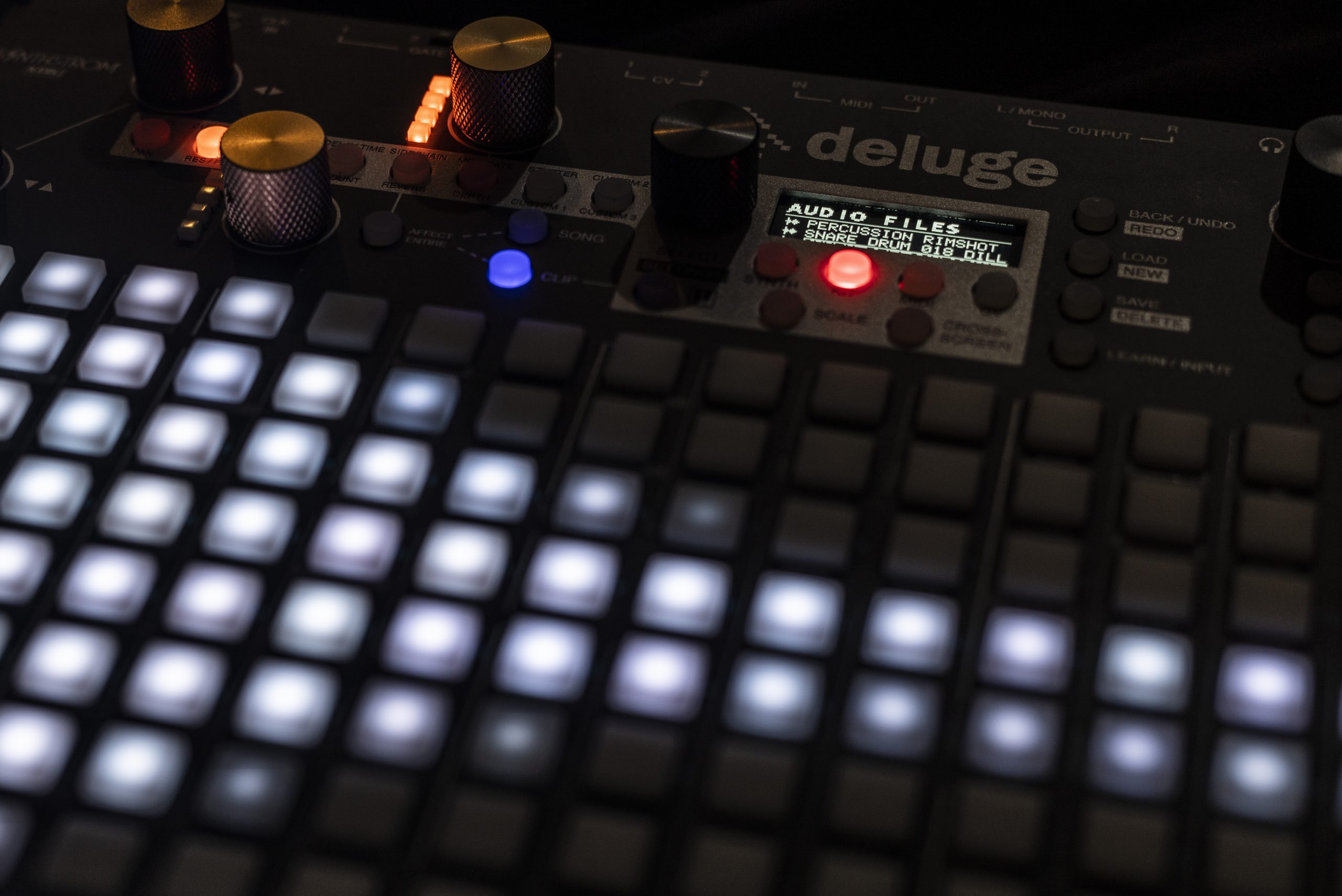
The Synthstrom Deluge is a powerful all-in-one music production workstation that combines a synthesizer, sampler, sequencer, and audio looper in a compact, portable design. Featuring a versatile internal synth engine (subtractive, wavetable, and FM), deep modulation capabilities, and MPE support, it allows for rich sound design and expressive control. Its 128-pad interface enables piano-roll-style sequencing, live performance, and arranging with features like Euclidean sequencing, probability, and advanced timing options. The Deluge streams samples directly from SD, supports multisampling and resampling, and includes robust live looping tools with seamless overdubbing. With extensive connectivity (CV/gate, MIDI, USB), a built-in mic and speaker, and a rechargeable battery for standalone operation, the Deluge is a fully self-contained music creation tool designed for both studio composition and live performance.
| Spec | Akai MPC2500 | Synthstrom Deluge |
|---|---|---|
| Manufacturer | Akai Professional | Synthstrom Audible |
| Year Released | 2005 | 2017 |
| Polyphony | 64 | 128 |
| Sample Rate | 44.1kHz | 44.1kHz |
| Storage | CompactFlash, ZIP Drive | MicroSD card |
| Pads | 16 velocity-sensitive pads | No pads, uses buttons and keyboard |
| Sequencer | Yes | Yes |
| Effects | EQ, Compression, Reverb, Delay | Multiple effects |
| I/O | MIDI In/Out, Audio In/Out | MIDI In/Out, USB, Audio In/Out |
| Screen | LCD | LCD display |
| Software Integration | MPC Software | No |
| Build | Standalone | Standalone sampler/synth/sequencer |
| Price | $800 used | $1529 |
| More about | Details | Details |
Buy the Synthstrom Deluge on Amazon.com
Buy Now On AmazonSynthstrom Deluge vs Akai MPC2500: A Comprehensive Comparison
In the world of music production, there are many tools that help artists create amazing sounds. Today, we are going to look at two very popular samplers: the Synthstrom Deluge and the Akai MPC2500. Both are great machines, but they have different features that make them special. By the end of this post, you’ll know which one might be the best fit for you.
Introduction
Music producers often need powerful tools to bring their ideas to life. The Synthstrom Deluge and Akai MPC2500 are two such tools that have captured the hearts of many. Whether you’re a beginner or a seasoned pro, it’s important to understand what each of these devices offers. Let’s dive into the details and see how they compare!
Feature Comparisons
Year of Release and Manufacturer
The Synthstrom Deluge was released in 2017 by Synthstrom Audible. It is a newer device compared to the Akai MPC2500, which was released in 2005 by Akai Professional. The Deluge is part of a modern wave of samplers that integrate synthesizer and sequencer capabilities, whereas the MPC2500 carries the legacy of Akai’s renowned MPC series known for its impact on hip-hop and electronic music production.
Polyphony and Sample Rate
One of the standout features of the Synthstrom Deluge is its polyphony. With 128 voices, it allows you to layer multiple sounds without cutting off any notes. This is twice as much as the Akai MPC2500, which has a polyphony of 64. Both devices have a sample rate of 44.1kHz, ensuring high-quality audio production.
Storage Capabilities
When it comes to storage, the Deluge uses a MicroSD card, which is common in many modern devices, allowing for easy upgrades and portability. Meanwhile, the MPC2500 relies on CompactFlash and ZIP Drive, which might be a bit outdated but still functional for many users who cherish the MPC series’ traditional workflow.
Pads and Interface
The interface is where these two samplers differ significantly. The Synthstrom Deluge does not have traditional pads; instead, it uses buttons and a keyboard for input. This can serve as a creative playground for those who prefer a more experimental approach. In contrast, the Akai MPC2500 features 16 velocity-sensitive pads, which are beloved by many for their tactile feedback and are ideal for beat-making.
Sequencer and Effects
Both devices come with built-in sequencers, but they offer different experiences. The Deluge is celebrated for its extensive sequencing capabilities, making it easy to create complex arrangements. It also boasts multiple effects, adding richness to your music. The MPC2500, while having fewer effects compared to modern samplers, offers EQ, compression, reverb, and delay, which are essential for many producers.
Input/Output (I/O)
In terms of I/O, both samplers offer MIDI In/Out and Audio In/Out. The Deluge also features USB connectivity, which adds an extra layer of convenience for transferring data. This makes the Deluge more adaptable to modern setups where computers play a significant role in music production.
Screen and Software Integration
Both the Synthstrom Deluge and Akai MPC2500 have LCD screens. However, the Deluge does not offer software integration, making it truly standalone. The MPC2500, on the other hand, integrates with MPC Software, allowing for a hybrid workflow that can be beneficial for those who like to switch between hardware and software environments.
Build and Price
The build of the Synthstrom Deluge is a standalone sampler, synth, and sequencer, offering a comprehensive package for $2000. In comparison, the Akai MPC2500, also standalone, is priced at around $800 used, making it a more budget-friendly option for those entering the world of music production or looking for a reliable second-hand machine.
Pros and Cons
Synthstrom Deluge
Pros:
- High polyphony (128 voices)
- Extensive sequencing capabilities
- Multiple effects options
- Modern storage solution (MicroSD)
- USB connectivity
- Comprehensive standalone package
Cons:
- Higher price point ($2000)
- No traditional pads, which may be a downside for beat-makers
- No software integration
Akai MPC2500
Pros:
- Classic 16 velocity-sensitive pads
- EQ, compression, reverb, and delay effects
- Integration with MPC Software
- Affordable price on the used market
Cons:
- Lower polyphony (64 voices)
- Outdated storage solutions (CompactFlash, ZIP Drive)
- Fewer effects compared to modern samplers
Final Verdict
In summary, both the Synthstrom Deluge and Akai MPC2500 are excellent tools, each with its own strengths and weaknesses. The Deluge is perfect for those who want a modern, all-in-one device with extensive features and are willing to invest in a higher price tag. Its lack of traditional pads is compensated by its powerful sequencing and sound design capabilities.
On the other hand, the MPC2500 is ideal for producers who love the classic MPC feel and want to integrate hardware and software seamlessly. Its affordability on the used market makes it accessible, though it may require some adaptation to its older storage systems.
If you’re a producer who loves experimenting with new features and can manage without traditional pads, the Synthstrom Deluge might be your best choice. However, if you have a deep appreciation for the tactile feedback of pads and a classic workflow, the Akai MPC2500 will serve you well.
For more detailed information, check out the Synthstrom Deluge and Akai MPC2500 pages.