Akai MPC2500 — VS — Teenage Engineering EP-133 K.O. II Sampler
Akai MPC2500
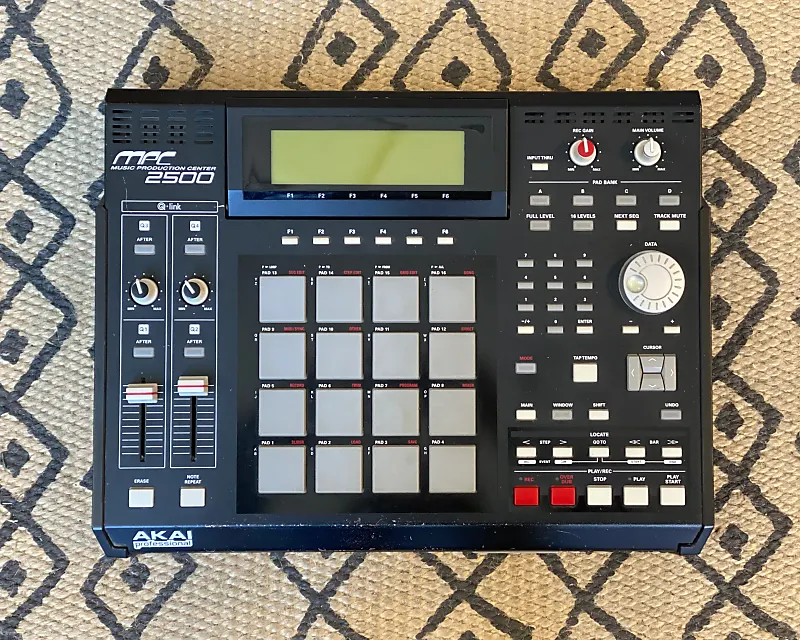
The Akai MPC2500 is a trusted tool for making beats and producing music, used by pros and performers alike. It has 16 classic pads, powerful sampling and editing features, and up to 128MB of memory for loading sounds. You get a 64-track sequencer, built-in effects, and real-time controls to shape your music as you play. With multiple outputs and easy file storage using CF cards or an optional hard drive, the MPC2500 gives you everything you need to create, perform, and finish your tracks—all in one solid machine.
Teenage Engineering EP-133 K.O. II Sampler
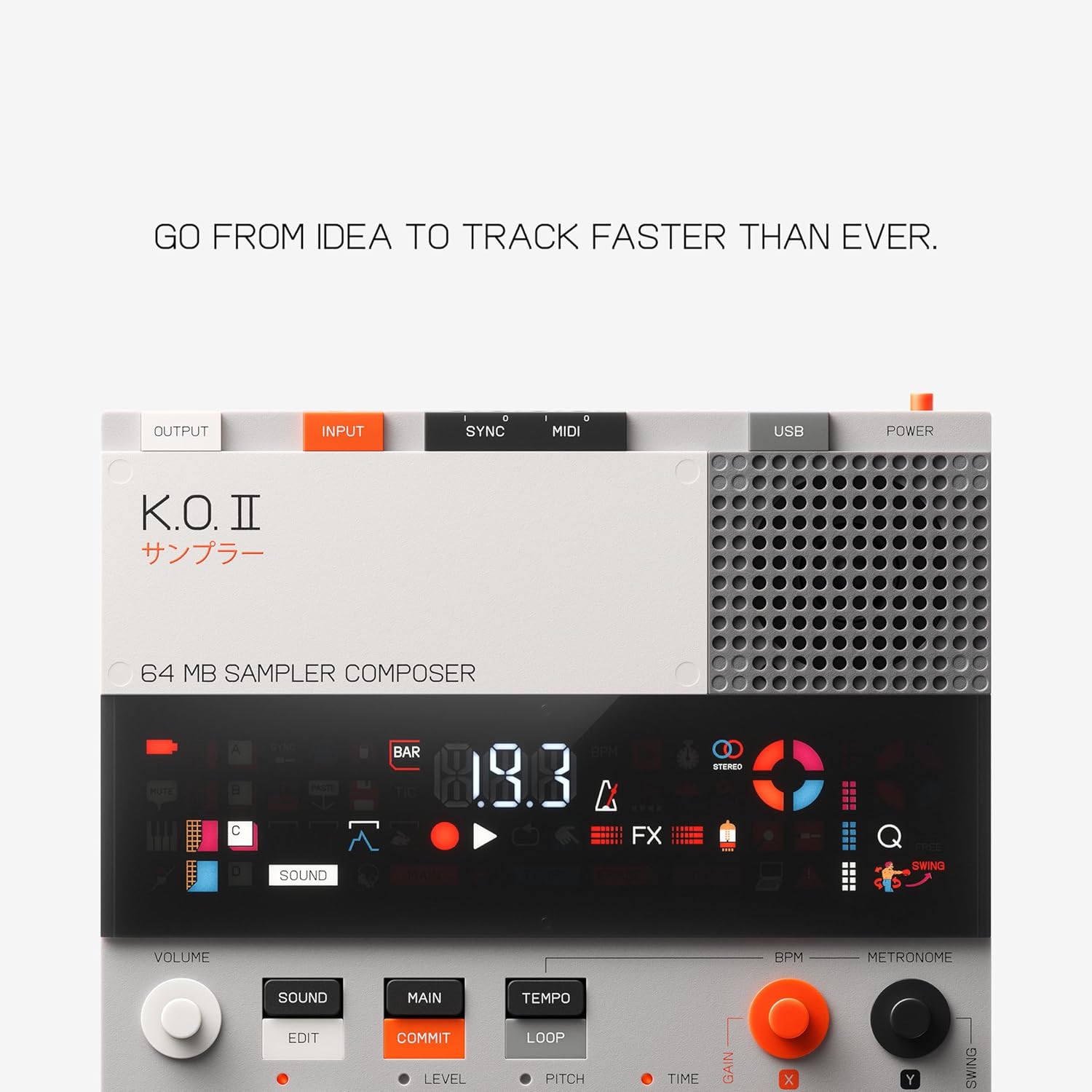
The EP-133 K.O. II is Teenage Engineering's next-gen portable sampler. It features punchy pads, step sequencing, powerful FX, and sample warping—all in a stylish and compact design. It's a fantastic upgrade from the original PO-33 for musicians looking for portability and hands-on performance.
| Spec | Akai MPC2500 | Teenage Engineering EP-133 K.O. II Sampler |
|---|---|---|
| Manufacturer | Akai Professional | Teenage Engineering |
| Year Released | 2005 | 2023 |
| Polyphony | 64 | Polyphonic (unspecified) |
| Sample Rate | 44.1kHz | 16-bit / 46.875kHz |
| Storage | CompactFlash, ZIP Drive | Internal + microSD |
| Pads | 16 velocity-sensitive pads | 16 velocity-sensitive pads |
| Sequencer | Yes | Yes |
| Effects | EQ, Compression, Reverb, Delay | Filter, Delay, Reverb, Compression |
| I/O | MIDI In/Out, Audio In/Out | USB-C, Line In/Out, MIDI via TRS |
| Screen | LCD | OLED display |
| Software Integration | MPC Software | Minimal, plug-and-play |
| Build | Standalone | Durable plastic housing with step sequencer |
| Price | $800 used | $299 |
| More about | Details | Details |
Buy the Teenage Engineering EP-133 K.O. II Sampler on Amazon.com
Buy Now On AmazonAkai MPC2500 vs. Teenage Engineering EP-133 K.O. II Sampler: A Comprehensive Comparison
Summary: The Akai MPC2500 and the Teenage Engineering EP-133 K.O. II Sampler are two different beasts in the world of music production. The MPC2500 offers a robust, studio-focused experience, while the K.O. II Sampler brings portability and modern design to the forefront. Which one is right for you? Let’s dive in!
Introduction
Music gear enthusiasts are always on the lookout for the perfect sampler to create and perform music. Two popular choices are the Akai MPC2500 and the Teenage Engineering EP-133 K.O. II Sampler. These devices have their own strengths and cater to different types of musicians. In this blog post, we will compare these two samplers in detail, focusing on their features, pros and cons, and who they are best suited for.
The Akai MPC2500: A Classic Powerhouse
Features and Build
The Akai MPC2500 is a well-known tool in the music industry, trusted by professionals and performers for its reliability and powerful features. Released in 2005 by Akai Professional, this sampler is a standalone device that boasts 16 velocity-sensitive pads, a 64-track sequencer, and built-in effects like EQ, compression, reverb, and delay. It’s built for those who want a solid machine to create, perform, and finish tracks without needing a computer.
The MPC2500 supports CompactFlash and ZIP Drive storage, which might seem a bit dated, but it’s efficient for those who prefer physical storage methods. Its LCD screen, while not as modern as an OLED, provides all necessary information clearly. The machine includes MIDI In/Out and Audio In/Out for versatile connectivity.
Sound and Performance
The MPC2500 offers 64-voice polyphony and a sample rate of 44.1kHz, ensuring high-quality sound production. With up to 128MB of memory, users can load a variety of sounds to craft their music. The real-time controls allow for on-the-fly adjustments, while the built-in effects enhance the overall sound quality.
Pros and Cons
Pros:
- Trusted by professionals for its reliability
- Powerful sampling and editing features
- 64-track sequencer
- Built-in effects for enhanced sound
Cons:
- Larger and not as portable
- Older storage methods like CompactFlash and ZIP Drive
- LCD screen not as modern as OLED
The Teenage Engineering EP-133 K.O. II Sampler: A Modern Marvel
Features and Build
The EP-133 K.O. II Sampler by Teenage Engineering is a modern, portable device released in 2023. Known for its stylish and compact design, this sampler is perfect for musicians on the go. It features 16 velocity-sensitive pads, a step sequencer, and an OLED display for clear visual feedback.
The K.O. II Sampler uses internal storage with an option for microSD expansion, making it easy to store and access samples. It has USB-C, Line In/Out, and MIDI via TRS for connectivity, ensuring it fits seamlessly into modern setups. The build is durable, designed to withstand the rigors of travel and live performance.
Sound and Performance
With unspecified polyphony and a sample rate of 16-bit / 46.875kHz, the K.O. II Sampler delivers a unique sound quality. It comes equipped with effects like filter, delay, reverb, and compression, allowing for creative sound manipulation. Its minimal software integration highlights its plug-and-play nature, making it a breeze to use for quick sessions.
Pros and Cons
Pros:
- Portable and compact design
- Modern connectivity options like USB-C
- OLED display for clear visuals
- Easy to use with minimal setup
Cons:
- Less polyphony and lower sample rate compared to MPC2500
- May not satisfy those seeking extensive software integration
- Smaller and potentially less robust feature set for professional studio use
Comparing the Features
Pads and Sequencers
Both samplers feature 16 velocity-sensitive pads, providing a tactile and responsive way to trigger samples and sequences. However, the MPC2500’s 64-track sequencer is more powerful for complex arrangements, while the K.O. II’s step sequencer offers a more straightforward approach, ideal for quick, on-the-go music creation.
Connectivity and Storage
The MPC2500 uses older CompactFlash and ZIP Drive storage, which may be a downside for some, but it provides robust MIDI and audio connectivity. In contrast, the K.O. II utilizes modern USB-C and microSD storage, appealing to those who prioritize portability and ease of access.
Effects and Sound Quality
While both samplers include a range of effects, the MPC2500’s higher sample rate and polyphony offer superior sound quality for professional environments. The K.O. II provides a fresh take with its unique sound characteristics, perfect for those who enjoy experimenting with sound design.
Final Verdict
Who is the Akai MPC2500 Best For?
The Akai MPC2500 is ideal for studio producers and live performers who need a reliable, all-in-one machine with powerful sequencing and high-quality sound. It’s perfect for those who value tried-and-true technology and don’t mind the larger size and older storage methods.
Who is the Teenage Engineering EP-133 K.O. II Best For?
The Teenage Engineering EP-133 K.O. II Sampler is best suited for modern musicians who prioritize portability and ease of use. Its compact design, modern connectivity, and unique sound make it perfect for those who want to create music on the go or enjoy a minimal setup.
In conclusion, both samplers offer unique advantages, catering to different types of musicians. Whether you prefer the classic power of the MPC2500 or the modern flair of the K.O. II, each device brings something special to the table in the world of music production.