Akai MPC2500 — VS — Teenage Engineering OP-1 Field
Akai MPC2500
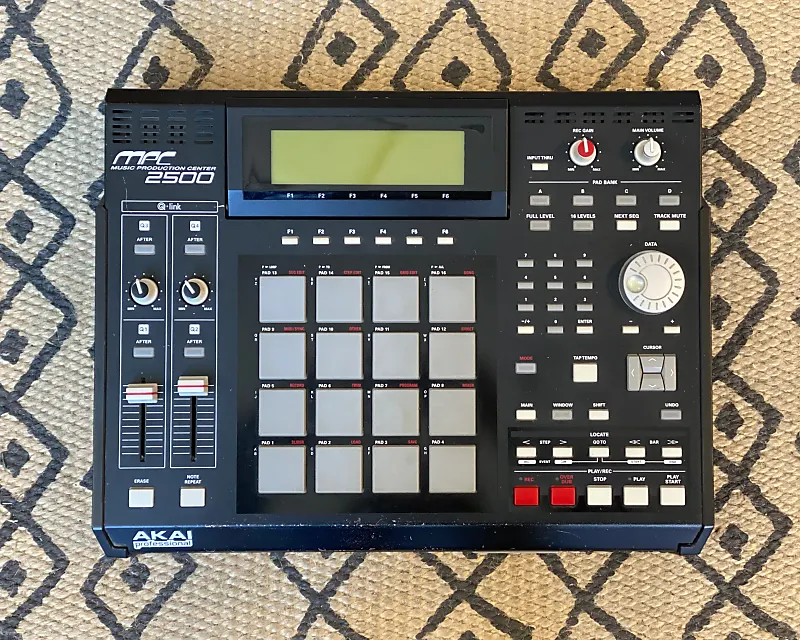
The Akai MPC2500 is a trusted tool for making beats and producing music, used by pros and performers alike. It has 16 classic pads, powerful sampling and editing features, and up to 128MB of memory for loading sounds. You get a 64-track sequencer, built-in effects, and real-time controls to shape your music as you play. With multiple outputs and easy file storage using CF cards or an optional hard drive, the MPC2500 gives you everything you need to create, perform, and finish your tracks—all in one solid machine.
Teenage Engineering OP-1 Field
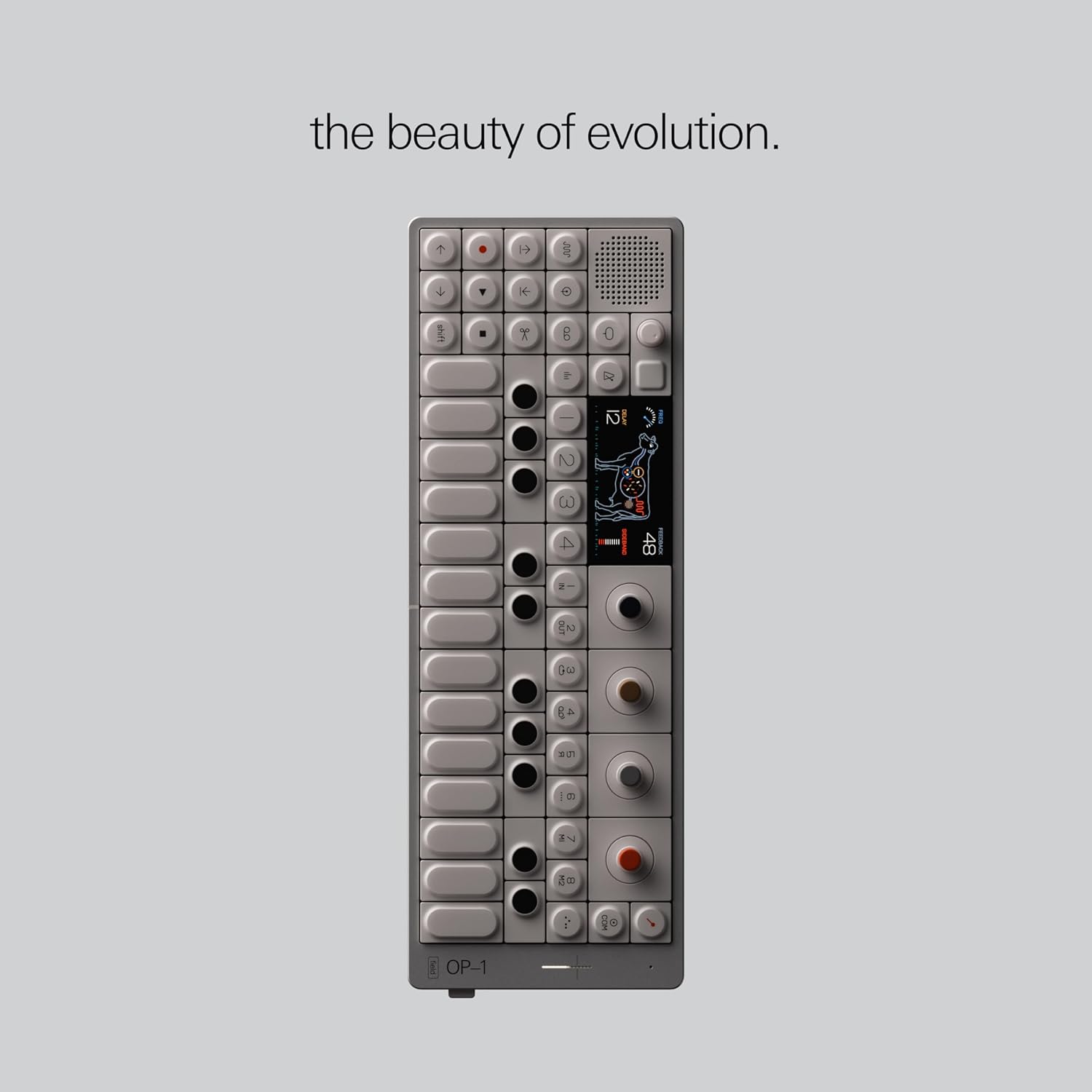
The OP-1 Field is a super cool, all-in-one music maker you can take anywhere. It's small, strong, and sounds amazing. You can play music, record sounds, and mix it all together right on the device. It has a bright screen, loud speakers, and even velcro on the back to add fun stuff. You can connect it to your phone or computer, and it works great with other music gear too. Whether you're at home or outside, it's ready to help you create awesome music.
| Spec | Akai MPC2500 | Teenage Engineering OP-1 Field |
|---|---|---|
| Manufacturer | Akai Professional | Teenage Engineering |
| Year Released | 2005 | 2022 |
| Polyphony | 64 | 8 |
| Sample Rate | 44.1kHz | 44.1kHz |
| Storage | CompactFlash, ZIP Drive | Internal storage |
| Pads | 16 velocity-sensitive pads | No pads, uses buttons |
| Sequencer | Yes | Yes |
| Effects | EQ, Compression, Reverb, Delay | Multiple effects |
| I/O | MIDI In/Out, Audio In/Out | USB Audio, MIDI |
| Screen | LCD | OLED display |
| Software Integration | MPC Software | No |
| Build | Standalone | Portable synth/sampler/sequencer |
| Price | $800 used | $1999 |
| More about | Details | Details |
Buy the Teenage Engineering OP-1 Field on Amazon.com
Buy Now On Amazontitle: “Teenage Engineering OP-1 Field vs. Akai MPC2500: A Deep Dive for Music Lovers” date: 2023-10-14 author: Music Enthusiast
Summary: This blog post explores the differences between the Teenage Engineering OP-1 Field and the Akai MPC2500, two popular samplers with distinct features. We’ll discuss their pros and cons and help you decide which one best suits your musical needs.
Introduction
Welcome, music gear enthusiasts! Today, we’re diving into a fascinating comparison between two extraordinary samplers: the Teenage Engineering OP-1 Field and the Akai MPC2500. These devices, though both samplers, are quite different in their design, features, and uses. Whether you’re a seasoned musician or just starting your journey into music production, understanding these differences will help you make an informed decision. So, grab your headphones, and let’s explore these musical marvels!
The Teenage Engineering OP-1 Field
Released in 2022, the Teenage Engineering OP-1 Field is a modern marvel of music technology. Known for its unique hybrid design, the OP-1 Field combines a synth, sampler, and sequencer all packed into a portable and stylish device. Let’s explore what makes this sampler stand out.
Design and Build
The OP-1 Field is a compact and portable music tool that can fit right in your backpack. It features a sleek and minimalistic design with an OLED display that is both stylish and functional. Unlike traditional samplers, it doesn’t have pads; instead, it uses buttons to control its features. This might seem odd at first, but it adds to its unique charm and workflow.
Sound and Effects
With polyphony of 8, it may not be the most powerful in terms of simultaneous notes, but what it lacks in polyphony, it makes up for in creativity. The OP-1 Field has multiple effects that you can play around with to create unique sounds. Although it shares the same sample rate of 44.1kHz as its counterpart, its effects can give you a fresh and modern sound palette.
Connectivity and Integration
The OP-1 Field features USB Audio and MIDI, enabling easy connectivity with other devices. However, unlike some samplers, it doesn’t offer software integration, which can be a downside for those who like to work within a digital audio workstation (DAW).
Price
Coming in at a price of $1300, the OP-1 Field is a premium device that might not fit every budget. However, its innovative design and features offer a unique experience that is hard to find elsewhere.
Pros and Cons
Pros:
- Stylish and portable design
- Unique hybrid functionality
- Multiple creative effects
- OLED display
Cons:
- Expensive
- Limited polyphony
- No software integration
The Akai MPC2500
The Akai MPC2500, launched in 2005, is a classic piece of music gear known for its robust capabilities. It is a favorite among many producers for its hands-on control and powerful sequencing abilities. Let’s take a closer look.
Design and Build
The MPC2500 has a more traditional design compared to the OP-1 Field. It’s larger and more robust with a standalone build, perfect for studio settings. The 16 velocity-sensitive pads are a standout feature, providing tactile feedback that is ideal for finger drumming and live performance.
Sound and Effects
With a whopping polyphony of 64, the MPC2500 allows you to layer multiple sounds and create complex compositions. It comes equipped with EQ, Compression, Reverb, and Delay effects, offering a range of options for sound shaping. The sample rate matches that of the OP-1 Field at 44.1kHz.
Connectivity and Integration
The MPC2500 has MIDI In/Out and Audio In/Out, which makes it versatile for connecting with other gear. Additionally, it supports integration with MPC Software, a plus for producers who prefer working within a DAW environment.
Price
At a used price of $800, the MPC2500 is more budget-friendly than the OP-1 Field, making it an attractive option for those looking for classic MPC features at a lower cost.
Pros and Cons
Pros:
- 16 velocity-sensitive pads
- High polyphony
- Extensive connectivity options
- More affordable
Cons:
- Bulky and less portable
- Older technology
- Requires external storage solutions
Feature Comparisons
When comparing these two samplers, it’s important to consider what you need from a music-making device.
Workflow and Usability
The OP-1 Field offers a unique and modern workflow with its hybrid design, while the MPC2500 stays true to traditional sampling methods with its pads and hands-on approach. If you enjoy a tactile experience and live drumming, the MPC2500 might be more your style. On the other hand, if you want a fresh, portable experience, the OP-1 Field could be your go-to.
Sound Design and Creativity
Both devices offer fantastic opportunities for sound design, but they do so in different ways. The OP-1 Field’s effects are more creative and experimental, whereas the MPC2500 offers classic effects like EQ and Compression. Depending on your musical style, one might appeal to you more than the other.
Portability vs. Studio Use
The OP-1 Field shines with its portability, making it ideal for musicians on the go. The MPC2500, being more robust, is better suited for studio use where you can take full advantage of its extensive connectivity and sequencing capabilities.
Final Verdict
So, which sampler is right for you? If you’re a travel-loving musician who values portability and modern design, the Teenage Engineering OP-1 Field will be your best friend. But if you’re a traditionalist who loves the feel of pads and needs extensive sequencing power, the Akai MPC2500 is the way to go.
Both samplers have their strengths and cater to different types of musicians. Understand your needs, and you’ll make the right choice for your musical journey!