Akai MPC5000 — VS — Elektron Analog Rytm MKII
Akai MPC5000
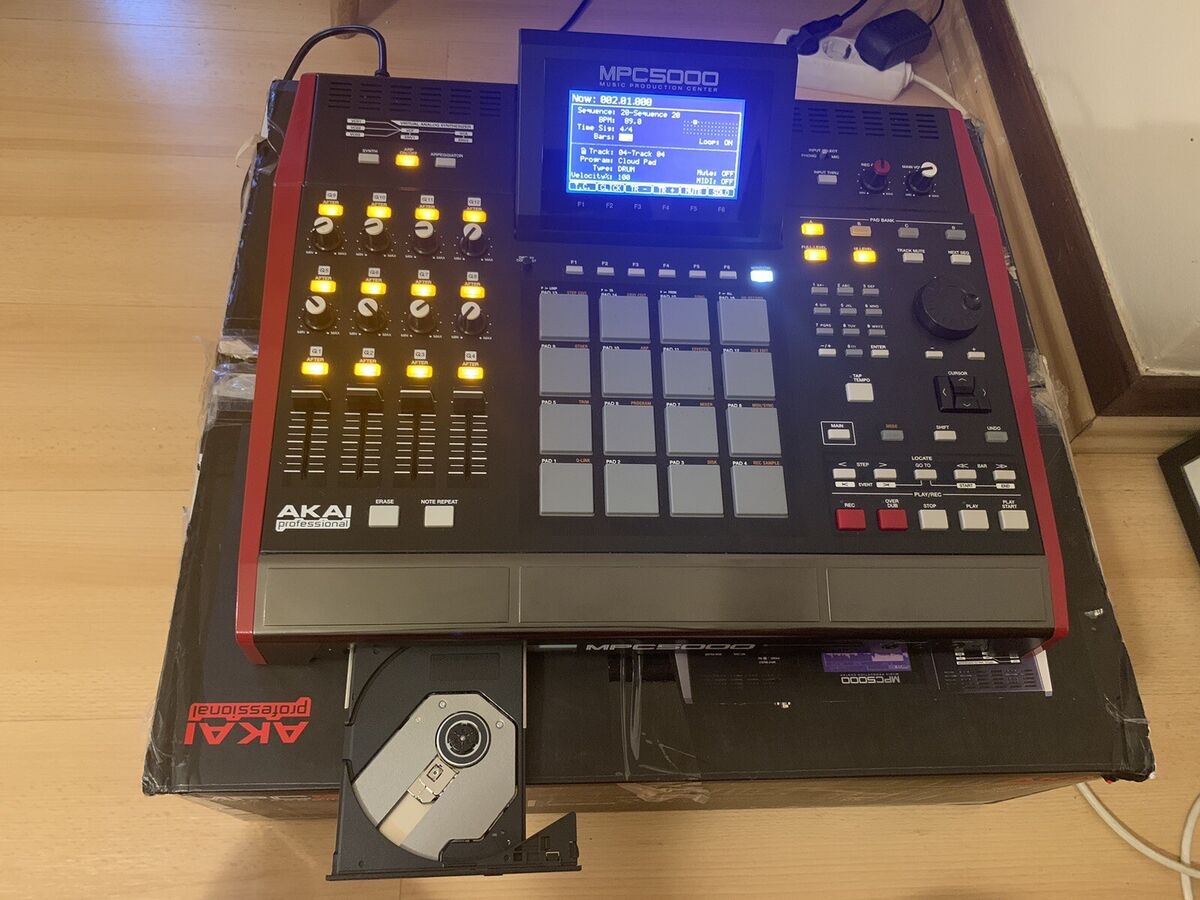
High-end MPC with expanded sampling and advanced effects.
Elektron Analog Rytm MKII
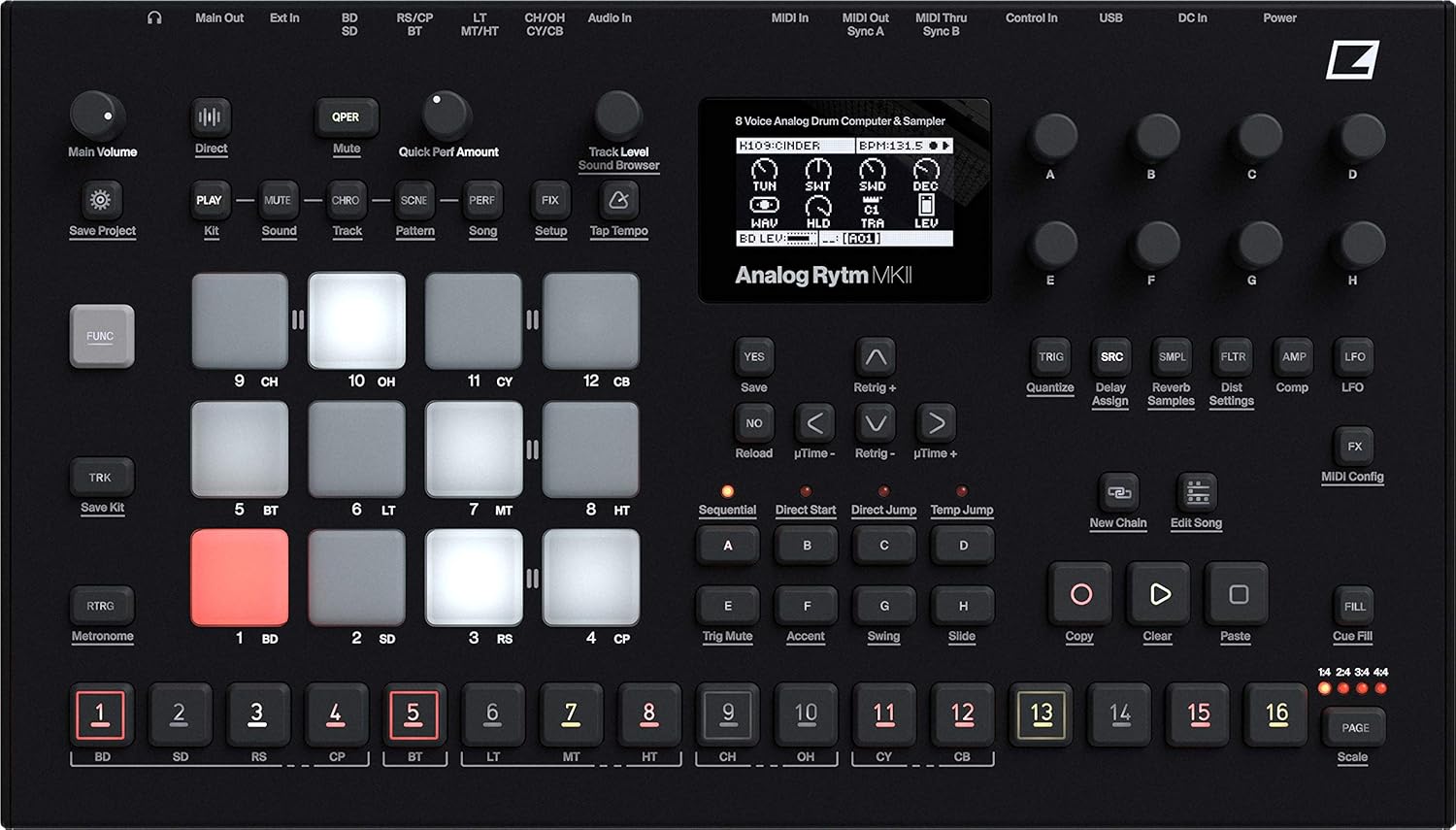
The Analog Rytm MKII is a powerful drum machine and sampler that helps you make awesome beats. It has 8 different drum sounds you can shape with real analog power and digital samples. You can tap on big, fun pads to play your sounds, or use the step sequencer to build cool rhythms. It lets you record sounds, change them up, and mix them however you like. Whether you're making music at home or performing on stage, this beat machine is ready to help you create something amazing.
| Spec | Akai MPC5000 | Elektron Analog Rytm MKII |
|---|---|---|
| Manufacturer | Akai Professional | Elektron |
| Year Released | 2006 | 2018 |
| Polyphony | 128 | 12 |
| Sample Rate | 44.1kHz | 48kHz |
| Storage | Internal Hard Drive, CompactFlash | SD card |
| Pads | 16 velocity-sensitive pads | 8 velocity-sensitive pads |
| Sequencer | Yes | Yes |
| Effects | EQ, Compression, Reverb, Delay, Filtering | Analog and digital effects |
| I/O | MIDI In/Out, Audio In/Out | MIDI In/Out/Thru, USB, Audio In/Out |
| Screen | Color LCD | OLED display |
| Software Integration | MPC Software | Elektron Transfer |
| Build | Standalone | Desktop |
| Price | $1200 used | $2299 |
| More about | Details | Details |
Buy the Elektron Analog Rytm MKII on Amazon.com
Buy Now On AmazonElektron Analog Rytm MKII vs. Akai MPC5000: A Battle of Beatmakers
Summary: Dive into the world of music production with the Elektron Analog Rytm MKII and the Akai MPC5000. Discover which of these powerful samplers is the right fit for your creative needs, with a detailed comparison of features, pros, and cons.
Introduction
Hello, music gear enthusiasts! Today, we are going to explore two amazing devices that can help you create the beats you’ve always dreamed of. Whether you’re a budding producer or a seasoned pro, choosing the right equipment is key. The Elektron Analog Rytm MKII and the Akai MPC5000 are two popular choices for musicians who love crafting unique sounds. By the end of this post, you’ll know which sampler is best for you. Let’s dive in!
Feature Comparisons
What’s Inside the Box?
The Elektron Analog Rytm MKII is a drum machine that combines analog sounds with digital sampling. It has 12 voices of polyphony, meaning it can play 12 different sounds at the same time. The sample rate is 48kHz, which is high-quality for clear audio. You can store your beats on an SD card, and it features 8 velocity-sensitive pads to tap out your rhythms. The device also includes a sequencer for arranging your music and both analog and digital effects to spice up your tracks. With its sleek OLED display, MIDI, USB, and audio inputs and outputs, this desktop unit is ready for any studio setup.
On the other hand, the Akai MPC5000 offers an impressive 128 voices of polyphony. This means you can layer many more sounds, which is great for complex compositions. The sample rate is a bit lower at 44.1kHz, but it still provides good audio quality. Storage comes in the form of an internal hard drive and CompactFlash, giving you plenty of space for your projects. With 16 velocity-sensitive pads, it doubles the number of trigger points compared to the Elektron. It also includes a built-in sequencer and a variety of effects like EQ, compression, reverb, delay, and filtering. The MPC5000 features a color LCD screen and classic MIDI and audio inputs and outputs. This standalone unit can operate without a computer, making it a versatile choice for live performances.
Feel the Beat: Pads and Playability
The pads on both devices are crucial for playing beats. The Elektron Analog Rytm MKII has 8 velocity-sensitive pads, which respond to how hard you hit them. This gives your music a dynamic feel. If you’re someone who prefers fewer but larger pads to work with, you’ll enjoy the Elektron’s approach.
The Akai MPC5000 offers 16 pads, which is twice as many as the Elektron. This allows more flexibility and control over your beats. If you’re into finger drumming and need more pads to express yourself, the MPC5000 might be the better fit.
Sound Design and Effects
Sound design is all about crafting unique audio experiences. The Elektron Analog Rytm MKII shines with a mix of analog and digital effects. This combination allows you to create rich, warm sounds along with crisp, digital tones.
The Akai MPC5000 also has a strong lineup of effects, including EQ, compression, reverb, delay, and filtering. These effects help you shape your sound to perfection, whether you’re producing in the studio or performing live.
Integration and Connectivity
When it comes to connecting with other gear or software, both samplers are equipped for the task. The Elektron Analog Rytm MKII integrates with the Elektron Transfer software, which makes transferring files easy. It has MIDI In/Out/Thru, USB, and audio inputs and outputs, ensuring compatibility with most setups.
The Akai MPC5000 connects using MPC Software, which offers deep editing features. Its connectivity includes MIDI In/Out and audio inputs and outputs, making it versatile for various production environments.
Look and Build: Screen and Design
The Elektron Analog Rytm MKII features a modern OLED display, which is clear and easy to read. Its desktop build is compact and stylish, fitting nicely into any studio space.
The Akai MPC5000 boasts a larger color LCD screen, providing more visual information. Its standalone design is robust and perfect for musicians who need a reliable device for gigs and tours.
Pros and Cons
Elektron Analog Rytm MKII
Pros:
- High-quality 48kHz sample rate
- Combination of analog and digital effects
- Compact and stylish desktop design
- Easy integration with Elektron Transfer software
Cons:
- Fewer pads compared to the MPC5000
- Higher price point at $1800
Akai MPC5000
Pros:
- 128 voices of polyphony for complex compositions
- 16 velocity-sensitive pads for more control
- Standalone operation without a computer
- Lower price point, especially in the used market
Cons:
- Lower sample rate at 44.1kHz
- Larger and heavier build
Who Are They Best For?
The Elektron Analog Rytm MKII is perfect for producers who value high-quality sound and a mix of analog and digital effects. Its compact design is ideal for home studios, and it’s great for those who need an easy-to-use interface with modern connectivity options.
The Akai MPC5000 is suited for musicians who want a powerful standalone device with a lot of polyphony. It’s excellent for live performers who need a reliable machine with a comprehensive set of effects and more pads for intricate beat-making.
Conclusion
Choosing between the Elektron Analog Rytm MKII and the Akai MPC5000 depends on your specific needs as a musician. Both devices offer unique features that cater to different aspects of music production. Whether you’re drawn to the high-quality sound and sleek design of the Elektron or the extensive polyphony and standalone capabilities of the Akai, each sampler will help you create amazing music. Happy beat-making!