Akai MPC5000 — VS — Elektron Digitakt
Akai MPC5000
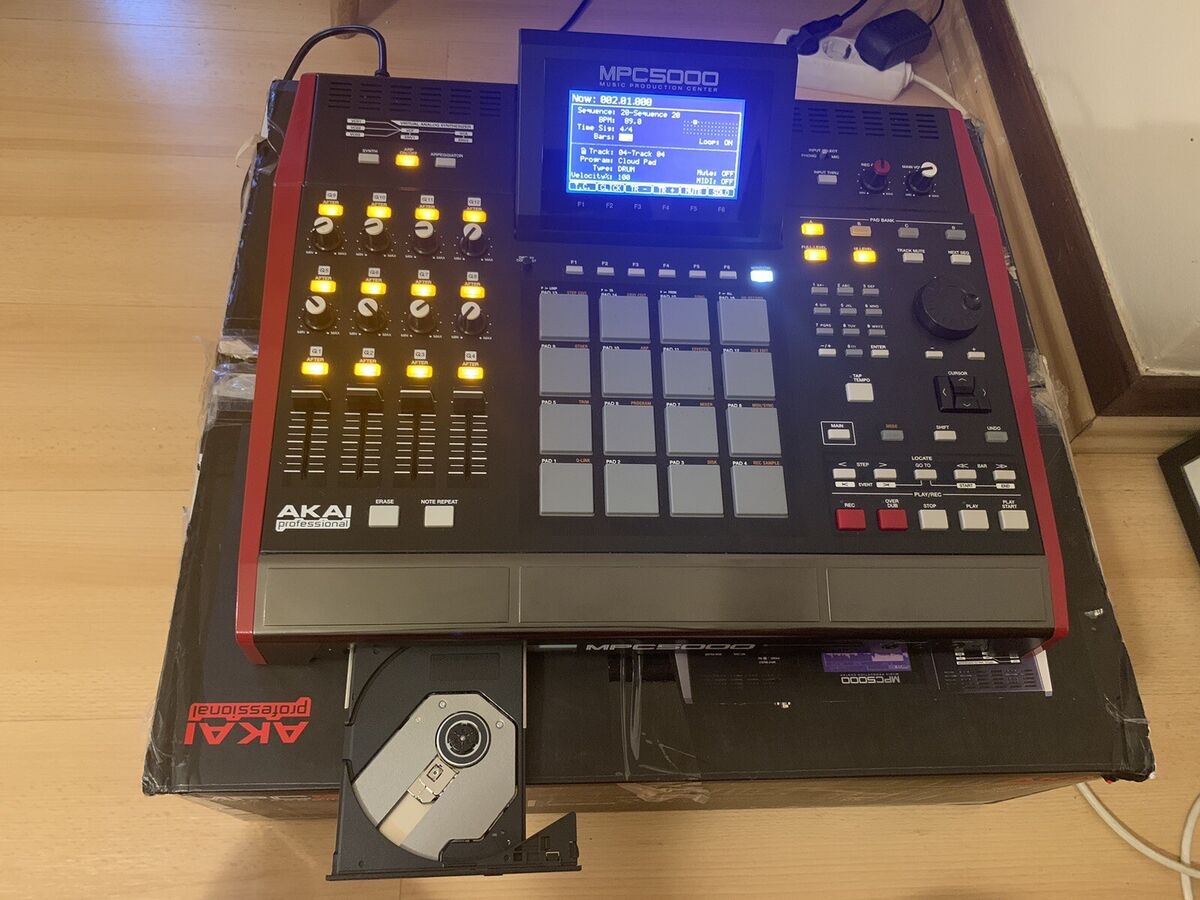
High-end MPC with expanded sampling and advanced effects.
Elektron Digitakt
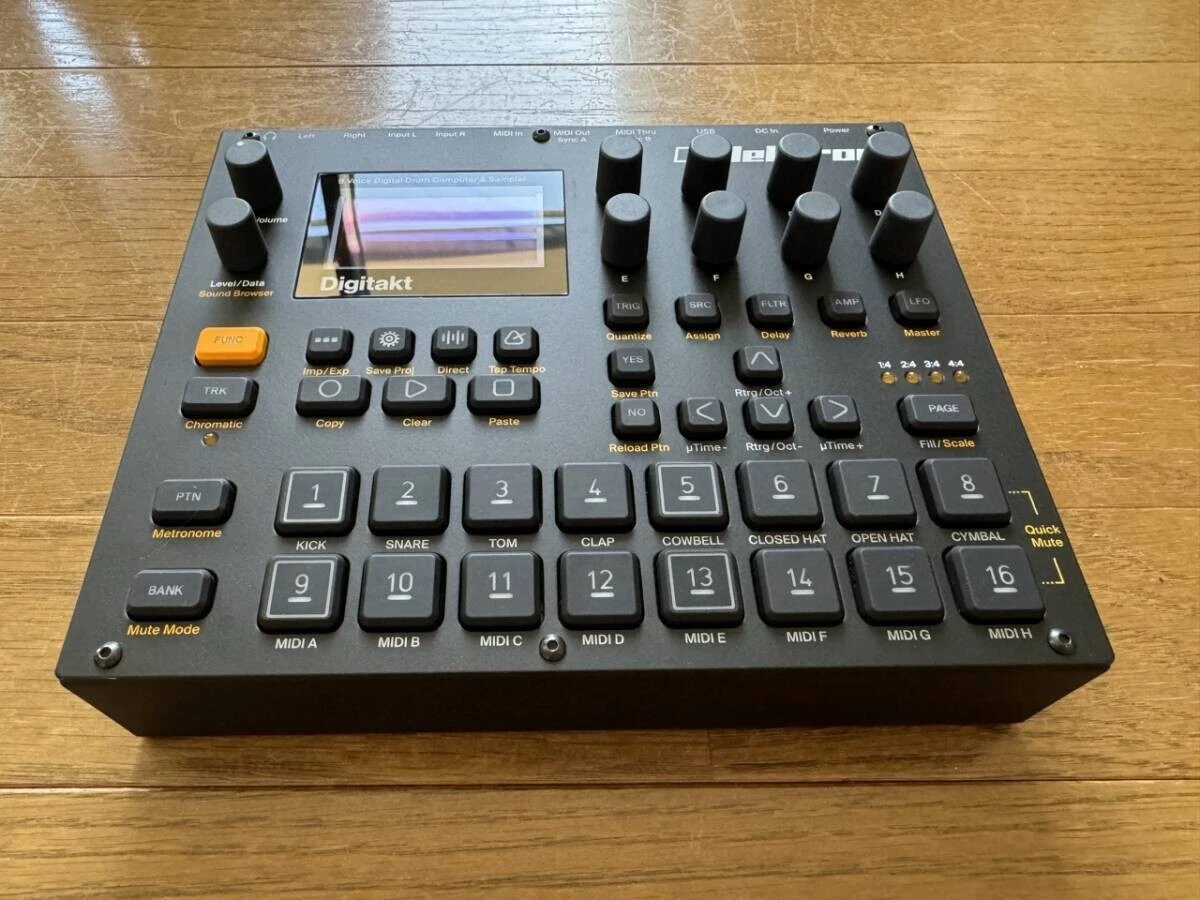
Digitakt is a super cool music machine that helps you make beats and mix sounds. It's small, tough, and built to last. You can record sounds, play them back, and create your own songs using 8 sound tracks and 8 more tracks to control other music gear. It also has awesome buttons and a bright screen to help you see what you're doing. Whether you're just starting or already making music, Digitakt gives you all the tools you need to have fun and make people dance!
| Spec | Akai MPC5000 | Elektron Digitakt |
|---|---|---|
| Manufacturer | Akai Professional | Elektron |
| Year Released | 2006 | 2017 |
| Polyphony | 128 | 8 |
| Sample Rate | 44.1kHz | 48kHz |
| Storage | Internal Hard Drive, CompactFlash | Internal storage |
| Pads | 16 velocity-sensitive pads | No pads, uses buttons |
| Sequencer | Yes | Yes |
| Effects | EQ, Compression, Reverb, Delay, Filtering | Reverb, Delay |
| I/O | MIDI In/Out, Audio In/Out | MIDI In/Out/Thru, USB, Audio Out |
| Screen | Color LCD | OLED display |
| Software Integration | MPC Software | Elektron Transfer |
| Build | Standalone | Desktop |
| Price | $1200 used | $700 |
| More about | Details | Details |
Elektron Digitakt vs. Akai MPC5000: The Ultimate Sampler Showdown
Summary
The Elektron Digitakt and the Akai MPC5000 are two popular samplers that offer unique features for music producers. While the Digitakt is known for its compact design and innovative sequencing, the MPC5000 excels with its powerful sampling capabilities and iconic pads. Let’s dive deeper to see which one fits your music-making needs best.
Introduction
Hey there, music gear enthusiasts! Today, we’re diving into a comparison between two incredible samplers: the Elektron Digitakt and the Akai MPC5000. Whether you’re just starting your musical journey or you’re a seasoned producer, choosing the right sampler can make a huge difference in your workflow and creativity. These two machines, although different in many ways, have both carved out a place in the hearts of musicians around the world. So, let’s see what each has to offer and which one might be the best fit for you!
Feature Comparisons
Design and Build
The Elektron Digitakt is a compact, desktop machine that’s easy to carry around, making it perfect for musicians on the go. Released in 2017, this neat device lacks traditional pads but uses buttons for control. In contrast, the Akai MPC5000, launched in 2006, is a standalone unit with a larger build. It features iconic 16 velocity-sensitive pads, which are great for finger drumming and playing with expression. If you love the tactile feel of pads, the MPC5000 might be calling your name.
Sound and Polyphony
When it comes to sound, both samplers have their strengths. The Digitakt offers an 8-voice polyphony with a 48kHz sample rate, providing crisp and clear sound quality. On the other hand, the MPC5000 offers a whopping 128-voice polyphony but with a slightly lower 44.1kHz sample rate. This means the MPC5000 can handle more simultaneous sounds, making it ideal for complex arrangements.
Storage and Connectivity
Storage is another area where these two samplers differ. The Digitakt comes with internal storage and offers seamless integration with Elektron Transfer software, making it easy to manage samples. The MPC5000, however, provides more storage options with its internal hard drive and CompactFlash support, giving you plenty of room for all your samples and projects.
When it comes to connectivity, the Digitakt is equipped with MIDI In/Out/Thru, USB, and Audio Out, making it versatile for studio or live settings. The MPC5000 has MIDI In/Out and Audio In/Out, covering the basics but lacking USB connectivity.
Effects and Sequencing
Both samplers come with built-in effects and powerful sequencers. The Digitakt offers reverb and delay effects, which are great for adding depth to your sounds. Its sequencer is known for being deep and intuitive, allowing you to create complex patterns with ease. The MPC5000 steps up the game with EQ, compression, reverb, delay, and filtering effects, offering more options for sound shaping. Its sequencer is also robust, making it a strong contender for those who love detailed sequencing.
Screen and Software Integration
The Digitakt features an OLED display, which provides a clear and bright interface. Its integration with Elektron Transfer software makes managing samples a breeze. The MPC5000, on the other hand, boasts a color LCD screen, which is larger and more visually informative. Its integration with MPC Software enhances its capabilities, offering a comprehensive music production experience.
Pros and Cons
Elektron Digitakt
Pros:
- Compact and portable design
- High sample rate (48kHz) for clear sound
- Intuitive and deep sequencer
- Easy software integration with Elektron Transfer
Cons:
- Limited polyphony (8 voices)
- No traditional pads, uses buttons instead
- Less storage flexibility
Akai MPC5000
Pros:
- 16 velocity-sensitive pads for expressive playing
- High polyphony (128 voices) for complex compositions
- Extensive effects options
- Large storage capacity with internal hard drive and CompactFlash
Cons:
- Bulkier design, less portable
- Lower sample rate (44.1kHz) compared to Digitakt
- Lacks USB connectivity
Final Verdict
Both the Elektron Digitakt and Akai MPC5000 are excellent choices for music producers, but they cater to different needs. The Digitakt is perfect for those who value portability, a modern interface, and deep sequencing capabilities. It’s great for electronic music producers who want a compact setup without compromising on sound quality.
On the other hand, the MPC5000 is ideal for producers who need extensive sampling power, expressive pads, and a wide range of effects. It’s particularly suited for hip-hop and beat-making enthusiasts who appreciate the classic MPC workflow.
In conclusion, your choice between these two will depend on your specific needs and preferences. Whether you go for the compact and innovative Digitakt or the powerful and iconic MPC5000, both will provide endless possibilities for your music production journey.