Akai MPC5000 — VS — Elektron Digitakt II
Akai MPC5000
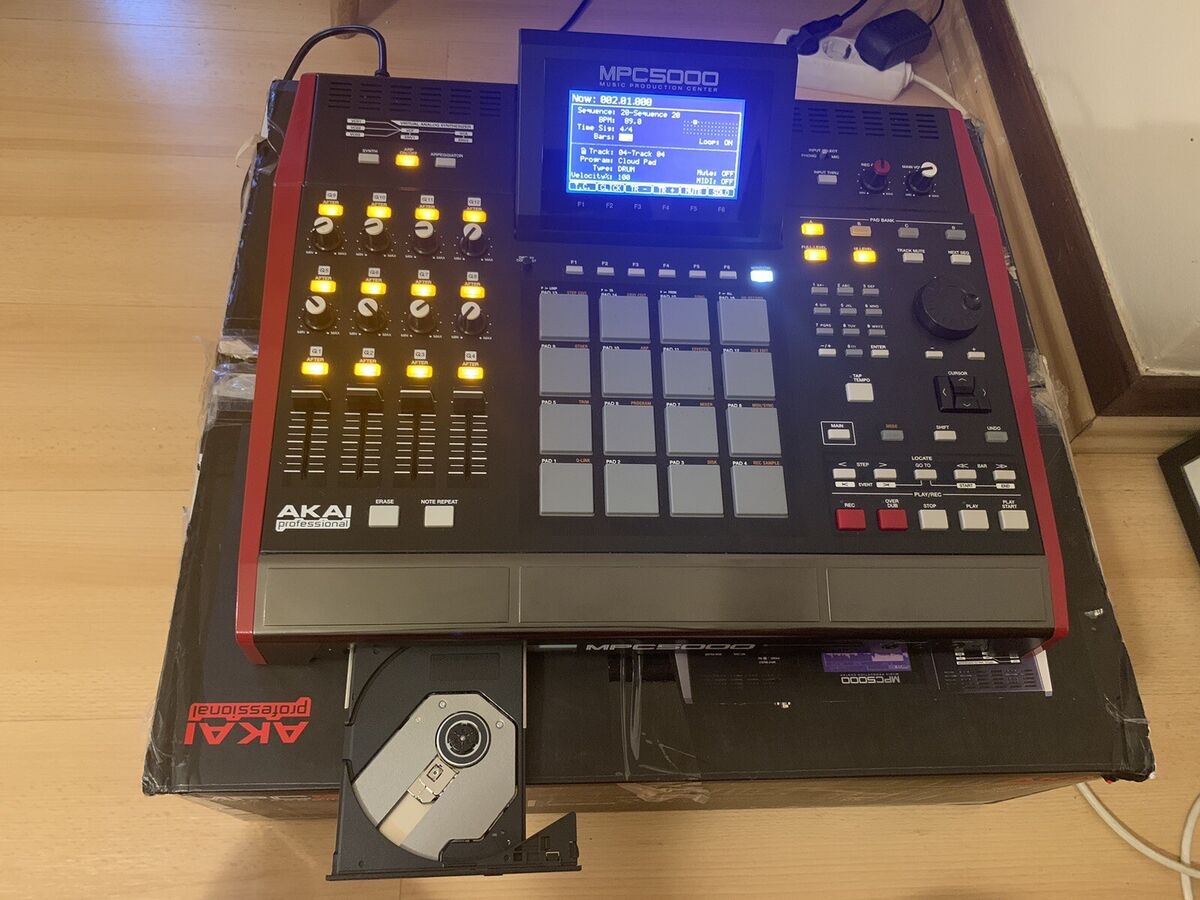
High-end MPC with expanded sampling and advanced effects.
Elektron Digitakt II
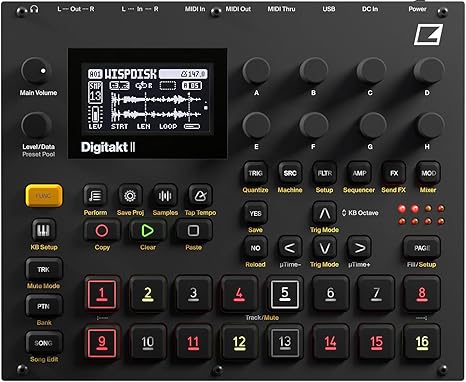
The Digitakt II is a fun music machine that lets you make beats and play with sounds. It has 16 tracks you can use to mix music, record sounds in stereo, or control other gear. You can change and shape your sounds in cool ways, with lots of new and improved features. It has tons of memory so you can store lots of sounds and keep creating for a long time. It's like a sound playground for your imagination!
| Spec | Akai MPC5000 | Elektron Digitakt II |
|---|---|---|
| Manufacturer | Akai Professional | Elektron |
| Year Released | 2006 | 2024 |
| Polyphony | 128 | 16 |
| Sample Rate | 44.1kHz | 48kHz |
| Storage | Internal Hard Drive, CompactFlash | Internal storage |
| Pads | 16 velocity-sensitive pads | No pads, uses buttons |
| Sequencer | Yes | Yes |
| Effects | EQ, Compression, Reverb, Delay, Filtering | Delay, reverb, chorus, bit reduction, sample reduction, and overdrive per track |
| I/O | MIDI In/Out, Audio In/Out | MIDI In/Out/Thru, USB, Audio Out |
| Screen | Color LCD | OLED display |
| Software Integration | MPC Software | Elektron Transfer |
| Build | Standalone | Desktop |
| Price | $1200 used | $1149 |
| More about | Details | Details |
Buy the Elektron Digitakt II on Amazon.com
Buy Now On AmazonAkai MPC5000 vs. Elektron Digitakt II: A Beat Maker’s Dream
Summary: Choosing between the Akai MPC5000 and the Elektron Digitakt II might seem tough, but each has its own charm. The MPC5000 is a classic powerhouse perfect for those who love a robust, standalone experience, while the Digitakt II is a modern delight for tech-savvy creators who enjoy versatile sound manipulation.
Introduction
Hey there, music enthusiasts! Whether you’re a seasoned beat maker or just starting out, picking the right gear can make all the difference. Today, we’re going to explore two amazing samplers: the Akai MPC5000 and the Elektron Digitakt II. These two devices are like superheroes in the world of music creation, each with their own superpowers. So, let’s dive in and see which one might be your perfect musical companion!
A Battle of Features
When it comes to making music, features are everything. Let’s compare what each of these samplers brings to the table.
Akai MPC5000: The Classic Powerhouse
The Akai MPC5000 has been around since 2006, but don’t let its age fool you. It’s a high-end sampler with tons of features packed into a standalone unit. With 128 voices of polyphony, this machine can handle complex arrangements with ease. The sample rate of 44.1kHz ensures good-quality sound reproduction. You get 16 velocity-sensitive pads that make playing beats feel natural and expressive. It comes with a built-in color LCD screen, making navigation straightforward and intuitive.
One of the standout features is its internal hard drive and CompactFlash storage, allowing you to save lots of samples and projects right on the machine. The MPC5000 is equipped with a variety of effects such as EQ, compression, reverb, and more, giving you plenty of tools to shape your sound. Plus, it has MIDI In/Out and Audio In/Out for connecting with other gear. It also integrates smoothly with MPC Software, which is great for those who want to blend hardware and software workflows.
Elektron Digitakt II: The Modern Marvel
On the other hand, the Elektron Digitakt II is a fresh face on the scene, with its release in 2024. While it has a lower polyphony count of 16, it makes up for it with a higher sample rate of 48kHz, offering crisp and clear sound quality. Instead of pads, it uses buttons, which might feel different but offer a precise way to control your beats. Its OLED display is sleek and easy to read, helping you keep track of your work.
Designed as a desktop unit, the Digitakt II is compact but mighty. It comes with a bundle of effects per track, including delay, reverb, chorus, and more, allowing you to manipulate your sounds in creative ways. The internal storage is ample, so you can keep your sounds and projects safe and sound. With MIDI In/Out/Thru, USB, and Audio Out, you can connect this little beast to almost anything. It also works seamlessly with Elektron Transfer software, making it easy to manage your samples and updates.
Pros and Cons of Each Device
Akai MPC5000
Pros:
- High Polyphony: With 128 voices, it’s great for complex compositions.
- Robust Build: As a standalone unit, it’s perfect for those who want everything in one place.
- Versatile Effects: Offers a wide range of effects for sound shaping.
- Storage Options: Internal hard drive and CompactFlash provide plenty of storage.
Cons:
- Pricey for its Age: At $1200 used, it’s a significant investment for an older model.
- Bulky: Being standalone means it takes up more space.
Elektron Digitakt II
Pros:
- High Sample Rate: 48kHz provides excellent sound quality.
- Compact and Modern: Desktop design is space-saving, and it looks sleek.
- Advanced Effects: Each track can have its own effects, offering creative flexibility.
- Affordable: Priced at $1149 for a new model, providing good value for a modern device.
Cons:
- Lower Polyphony: 16 voices might not be enough for complex layers.
- No Pads: Uses buttons, which might not appeal to traditional beat makers.
Making the Choice
When choosing between the Akai MPC5000 and the Elektron Digitakt II, it really comes down to what you need as a musician. The MPC5000 is perfect for those who want a standalone, all-in-one unit with lots of polyphony and storage. It’s ideal for more traditional users who appreciate having everything ready right out of the box.
The Digitakt II, meanwhile, is a fantastic choice for modern creators looking for a compact, desktop unit that’s packed with effects and easy to integrate with other gear. It’s also a great pick if you prioritize high-quality sound and enjoy exploring new ways to manipulate and control your music.
Final Verdict
The Akai MPC5000 is best suited for musicians who value a classic setup with robust capabilities and don’t mind the larger size. It’s a tried-and-true workhorse that can handle detailed and intricate projects.
However, if you’re someone who loves modern technology, the Elektron Digitakt II offers a fresh and fun approach to music-making. It’s perfect for those who want a versatile, portable device that’s easy to connect with other music gear and software.
In the end, both these samplers have their unique strengths. Whether you go for the classic powerhouse or the modern marvel, you’re sure to find a lot of joy in creating music with either one. Happy music-making!